English
 русский
 Español
Content
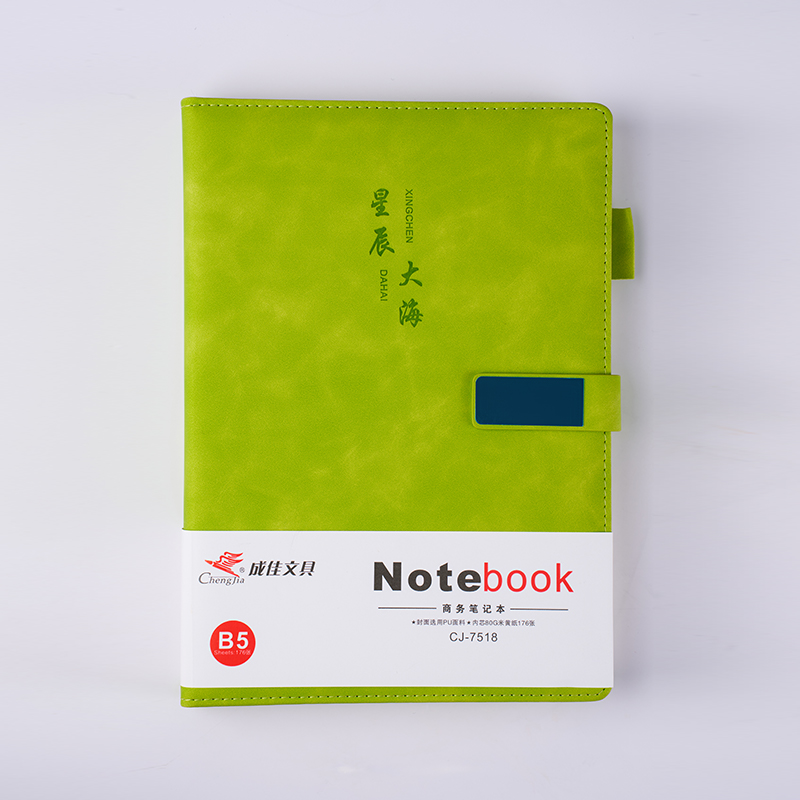
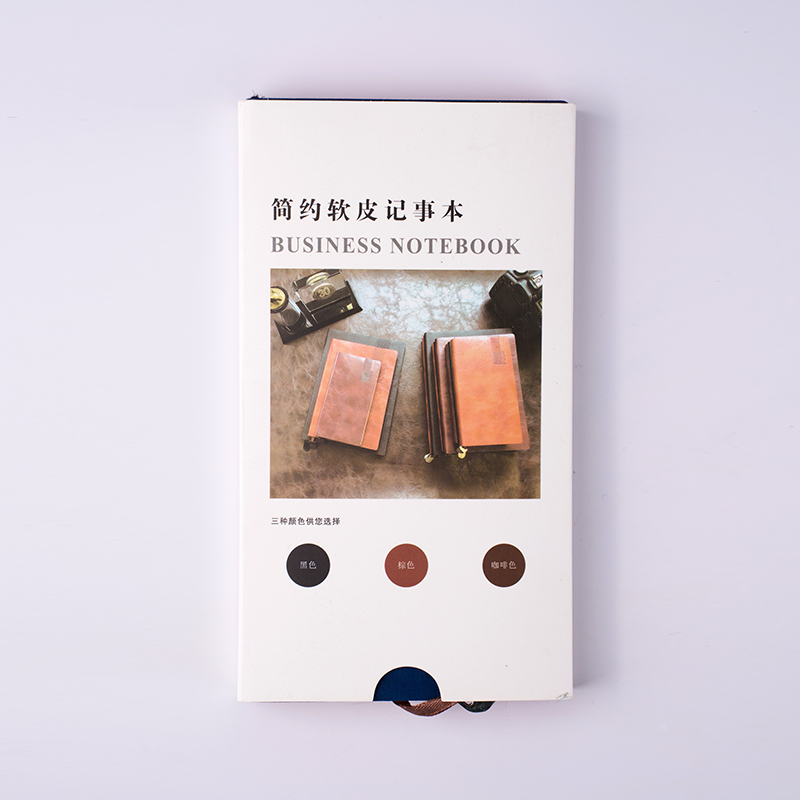
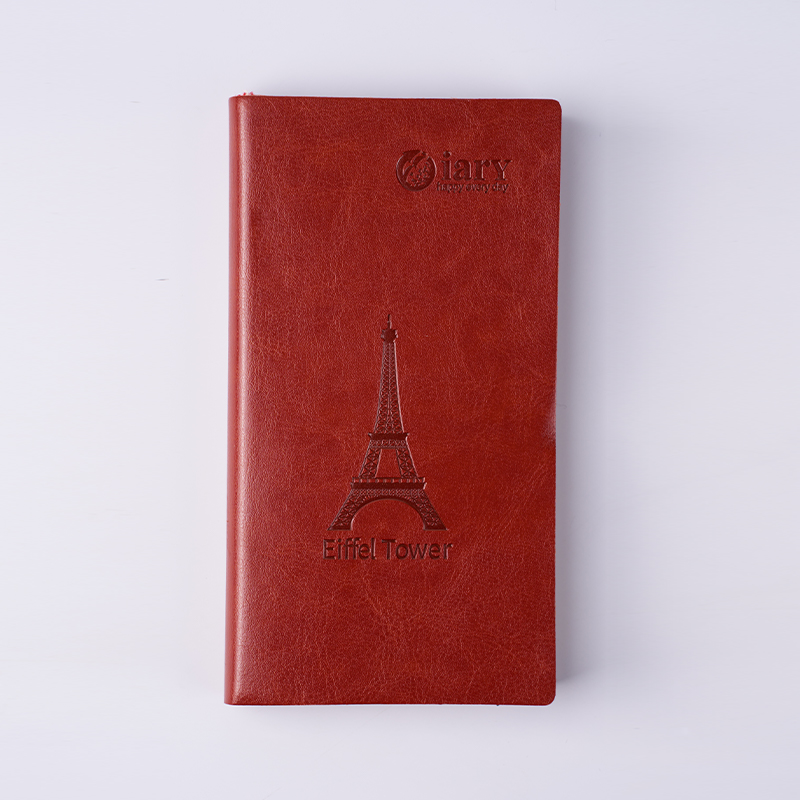
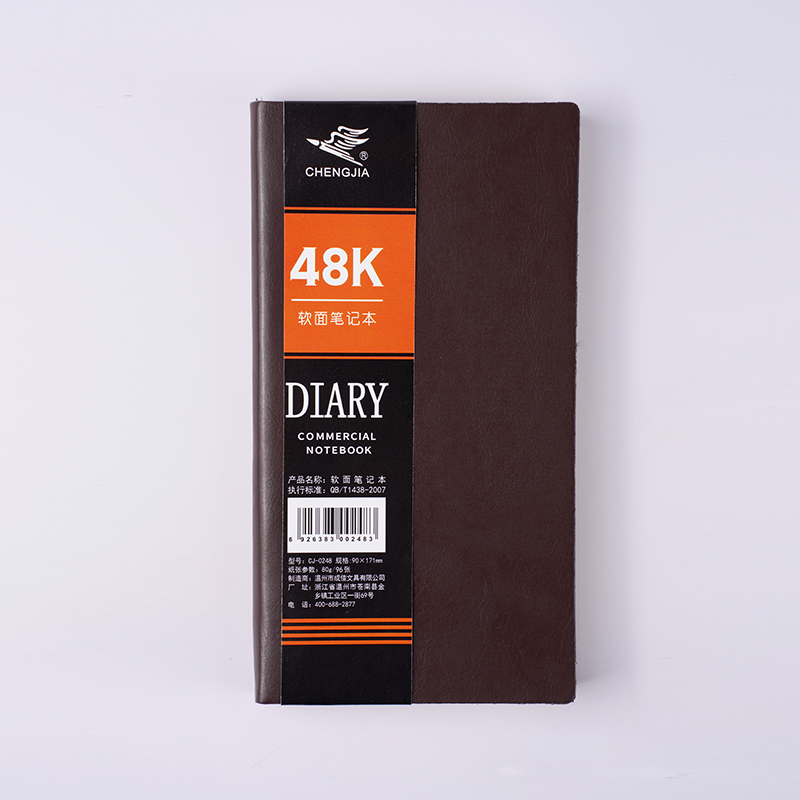
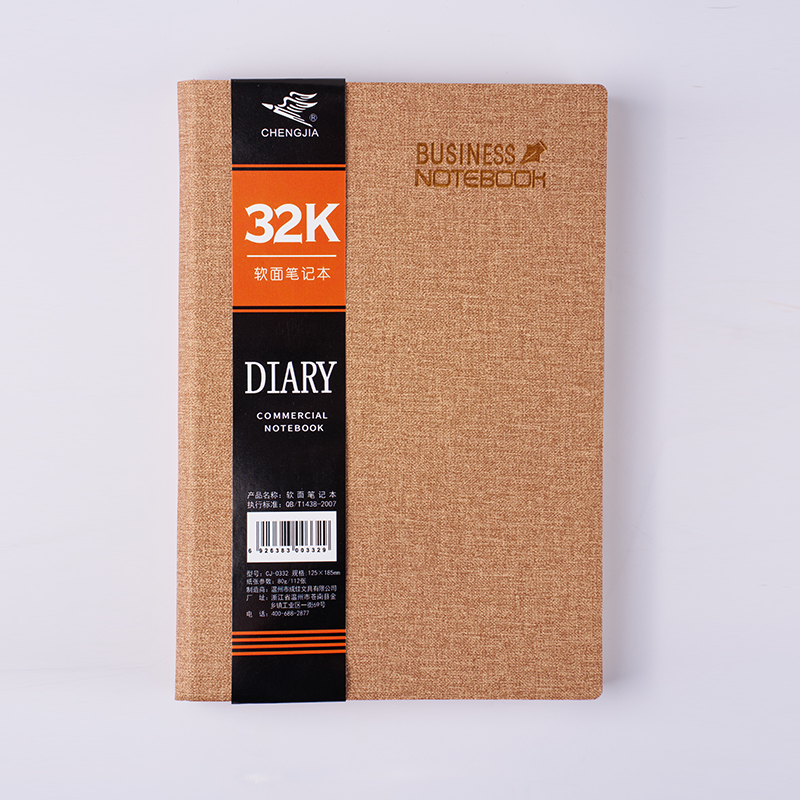
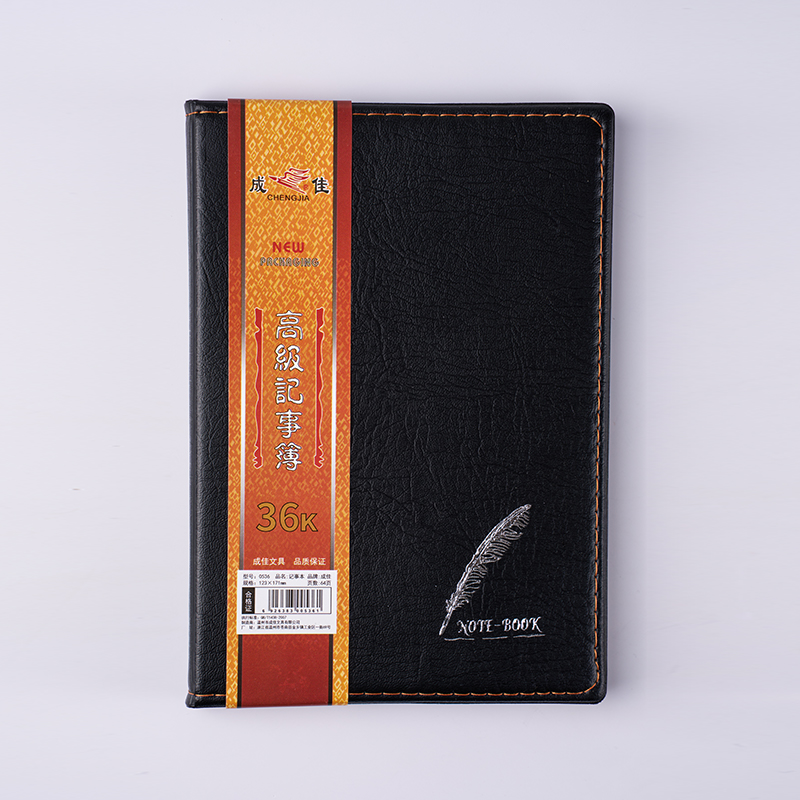
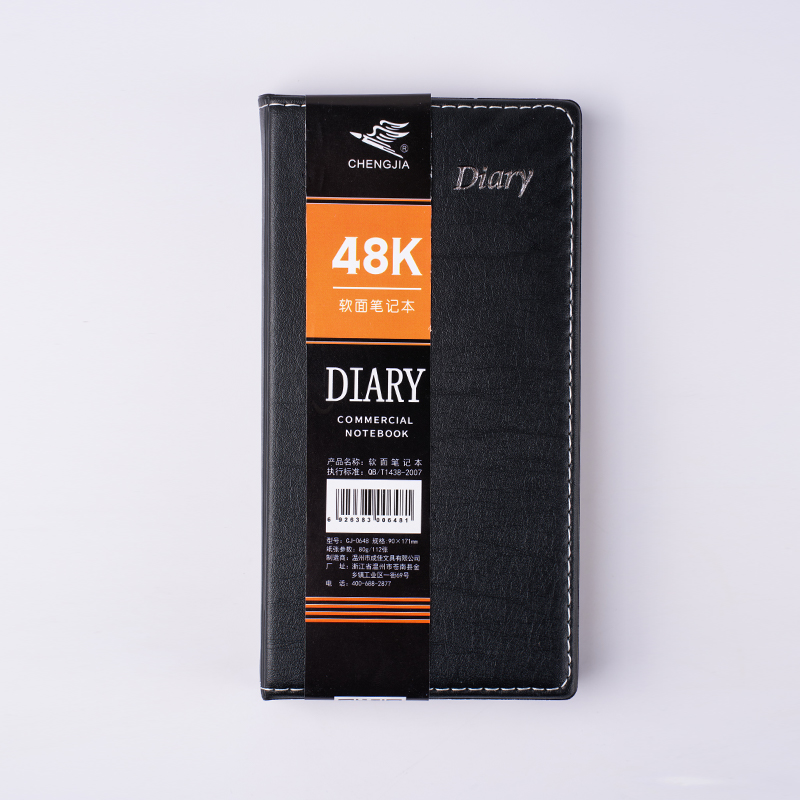
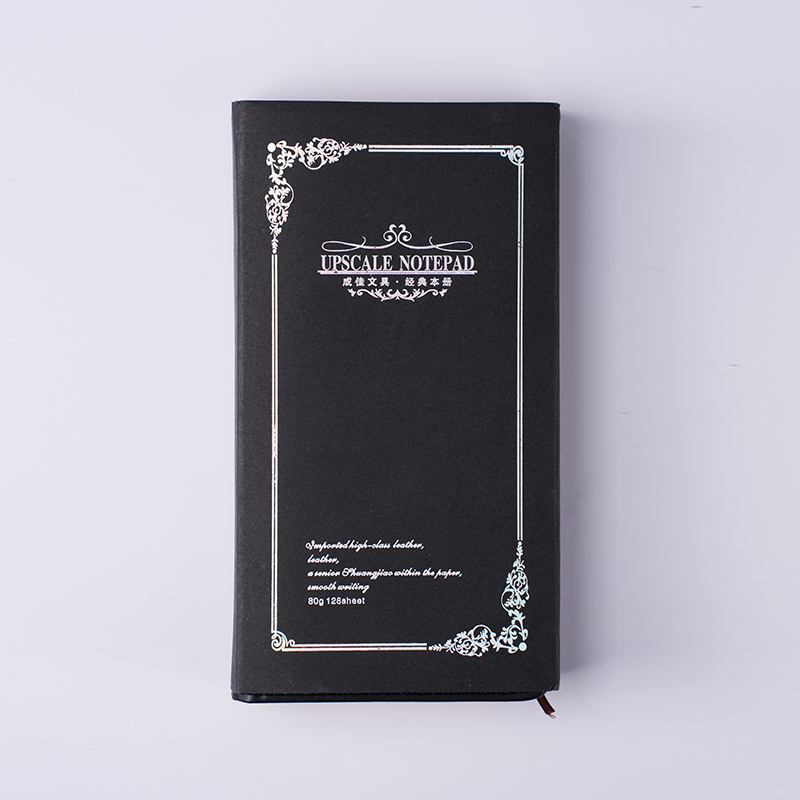
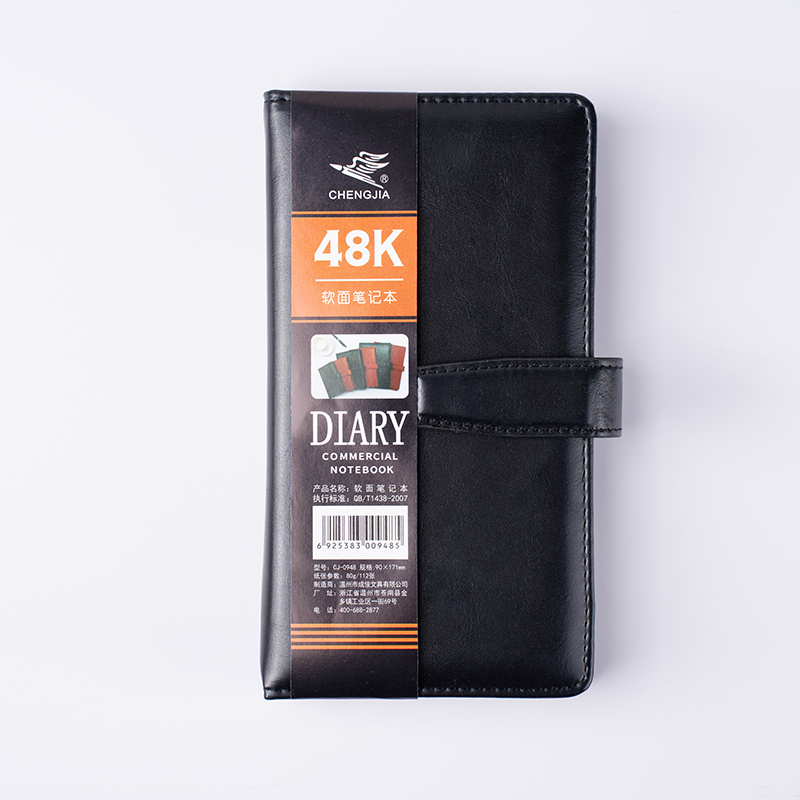
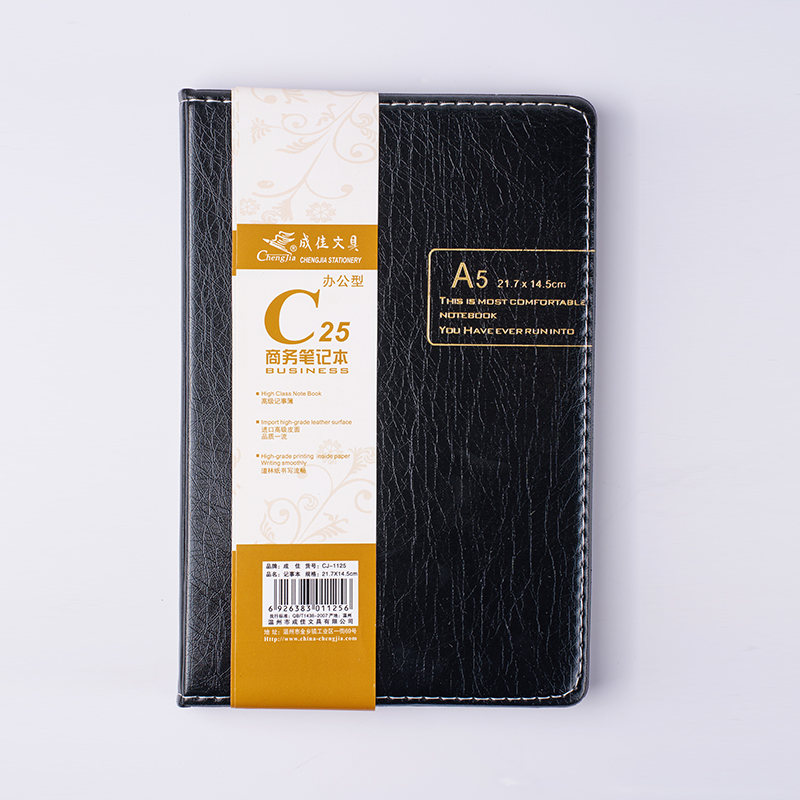
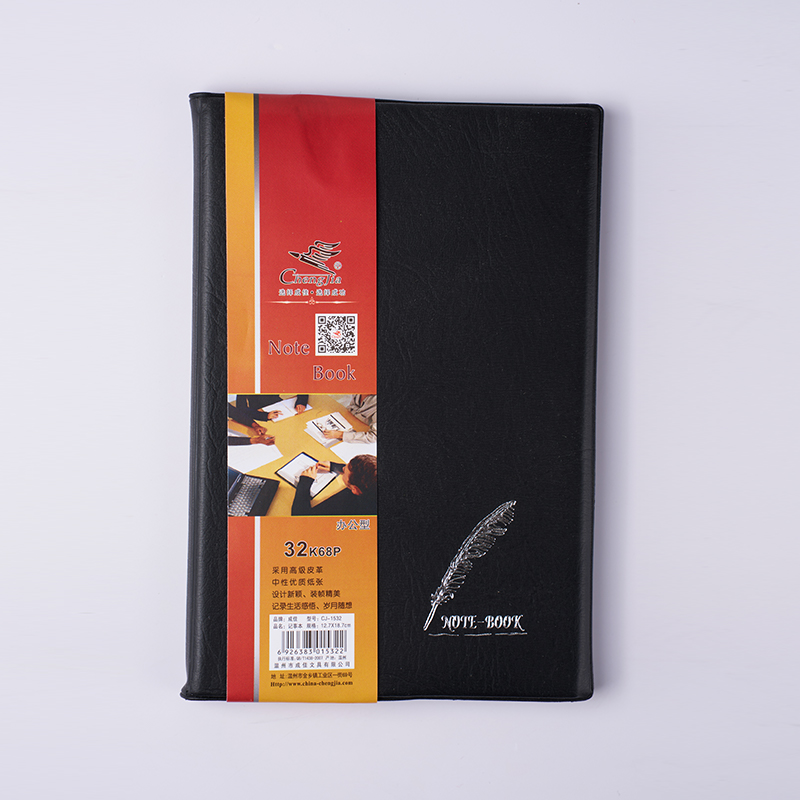
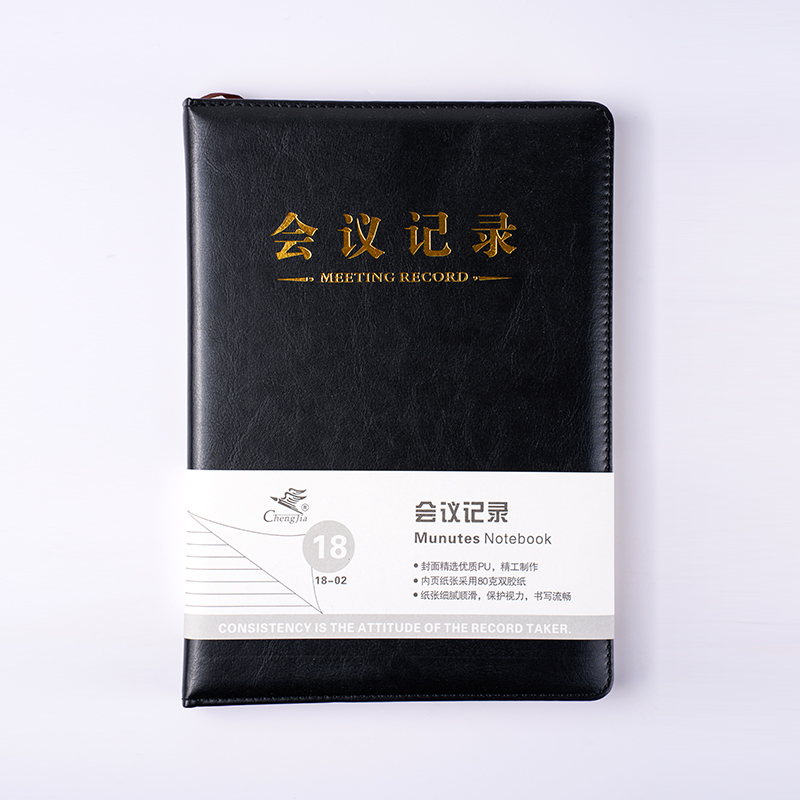
A hard cover agenda looks professional. It feels substantial. It survives being thrown in a bag. But a agenda hard cover is not just about looks. The cover protects what is inside. It provides a firm writing surface anywhere. It makes the book last an entire year instead of falling apart in three months. Here is what actually matters when choosing or designing one.
What “Hard Core” Functions Does a Hard Cover Serve
Impact protection for daily bag carry
A soft cover agenda gets crushed. Corners bend. Pages crease. A agenda hard cover takes the hit instead of the contents. The rigid board absorbs impact from other items in a backpack — laptops, water bottles, binders. After months of carry, the cover shows wear. The pages inside stay clean.
The cover needs to be thick enough. 2 to 3 millimeter board. Less than that flexes under pressure. More than that adds unnecessary weight.
A firm writing surface anywhere
No desk? No problem. A agenda hard cover lets you write while standing, sitting on a couch, or balancing the book on your knee. The hard backing supports the pages. Pen does not poke through. Writing stays legible.
Soft cover books require a table or a hard surface underneath. Hard cover books create their own surface. That is the difference between using the agenda and leaving it in the bag.
Durability through full-year use
An academic year is 9 to 12 months. A agenda hard cover needs to last that long without falling apart. The cover stays attached to the spine. The spine does not crack. The corners do not fray.
Cheap hard covers use paperboard. Good ones use binder's board or dense chipboard. The difference shows after six months.
Here is what a durable agenda hard cover needs:
- Board thickness of at least 2 millimeters
- Rounded or reinforced corners that resist peeling
- Stitched or glued binding that flexes without breaking
- Cover material that resists water stains and scuffs
What Layouts Are Popular in Hard Cover Agendas
Monthly calendar followed by weekly spreads
The most common agenda hard cover layout puts monthly calendars at the front. One or two months per spread. Then weekly spreads fill the rest of the book. Monday through Sunday. Each week on two facing pages.
Users want to see the month at a glance. Then flip to the current week for daily details. Layouts that mix months and weeks randomly confuse people. They flip back and forth. They stop using the book.
Hourly or task-list weekly spreads
Two weekly layout styles dominate the agenda hard cover market. Hourly breakdowns show 7 AM to 9 PM in 30-minute or 1-hour slots. Good for people with meetings and appointments. Task-list layouts show a simple list per day with checkboxes. Good for people who work on projects, not schedules.
Hybrid layouts exist. Hourly on the left page. Task list on the right page. Best of both. More work to print. Users pay more for it.
Notes pages at the back
Every agenda hard cover needs blank pages at the back. At least 10 to 20 sheets. Users write meeting notes, project plans, and random ideas there. Without notes pages, people use sticky notes. Sticky notes fall out.
The notes section should use the same paper quality as the rest of the book. Grid or dot grid preferred over blank or lined. Grid allows diagrams.
Dated vs. Undated: Which Is Better for Hard Cover Agendas
Dated works for academic and fiscal year buyers
Dated agenda hard cover products have dates pre-printed. July to June for academic. January to December for calendar year. Schools and corporations buy dated because they distribute hundreds of identical books. Everyone starts on the same page. No confusion.
The downside is inventory. Unused dated books become obsolete. Sellers discount them in January. Margins shrink.
Undated works for retail and individual buyers
Undated agenda hard cover books leave the dates blank. The user writes them in. Miss a month? Skip to today. No wasted pages. Retailers prefer undated because the product does not age. A book printed in 2023 sells just as well in 2025.
The downside is setup time. Users must write dates themselves. Some love the ritual. Some hate it. The undated buyer is usually more organized to begin with.
Here is how to choose between dated and undated for a agenda hard cover:
- Dated — good for institutional sales, academic years, gift markets
- Undated — good for retail shelf life, personal users, creative professionals
A agenda hard cover is not just decoration. The hard cover protects the pages. It creates a writing surface anywhere. It keeps the book intact for a full year. Monthly calendars. Weekly spreads. Notes pages. Dated for institutions. Undated for retailers. Choose based on how the book gets used, not how it looks on a shelf. The cover matters. What is inside matters more. But without the cover, the inside never makes it through the year.