English
 русский
 Español
Content
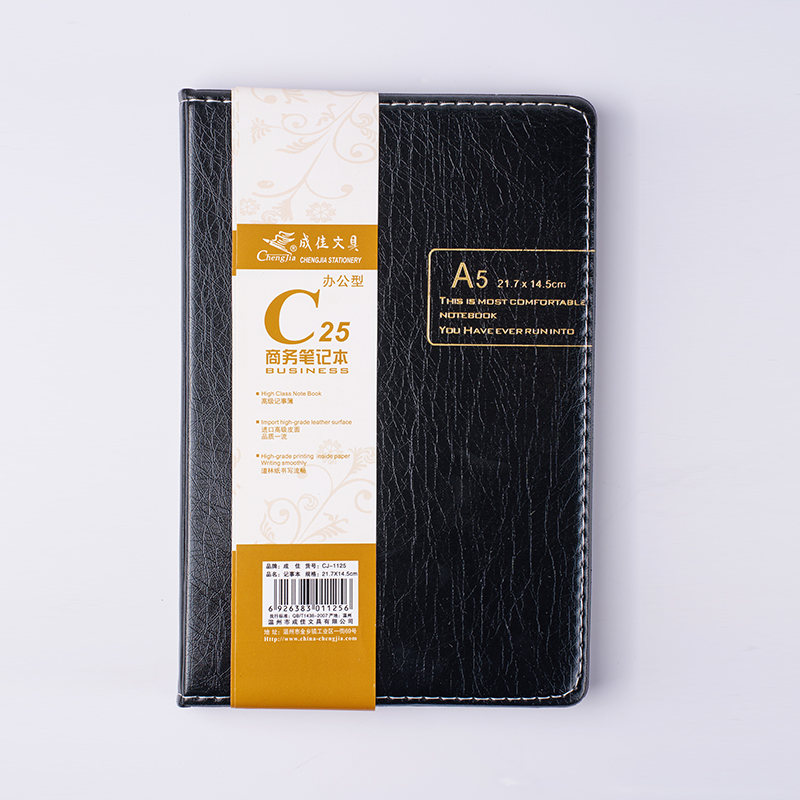
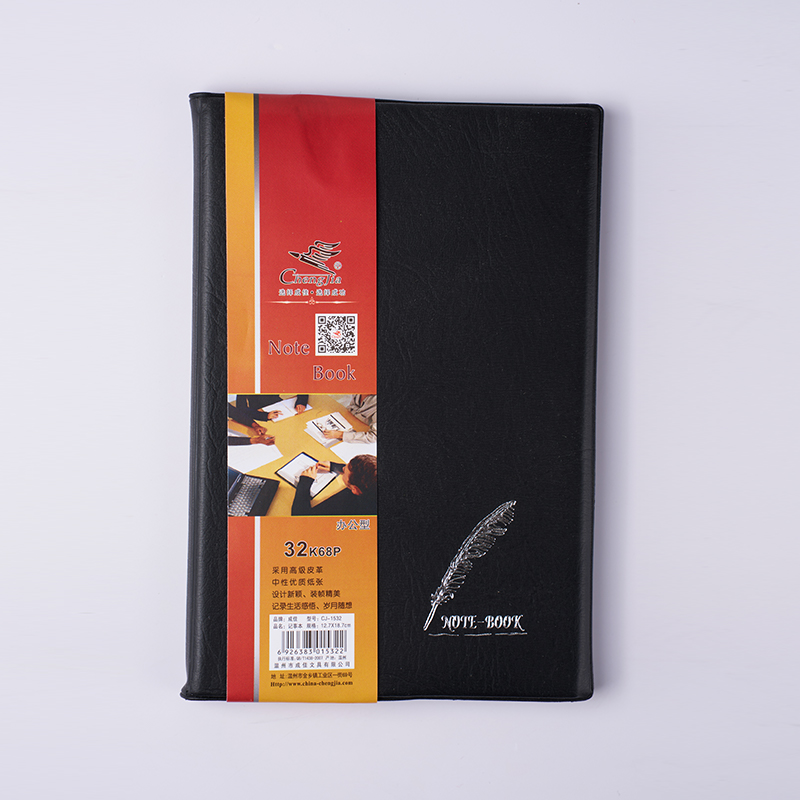
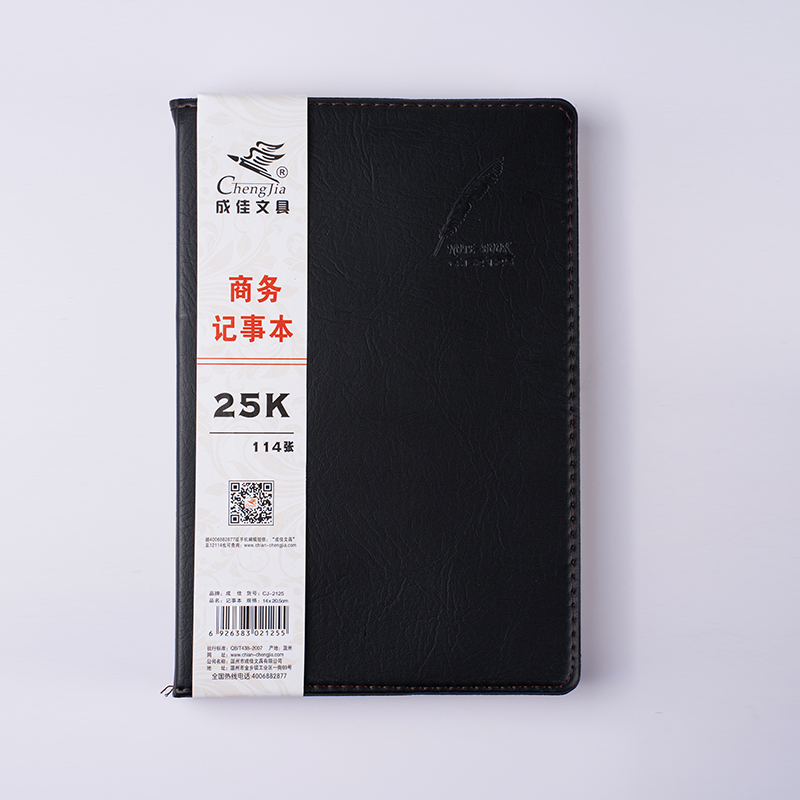
Walk into any executive office, conference room, or consulting firm. You'll find notepads on desks, in briefcases, and next to phones. But these aren't the cheap spiral pads from the supply closet. They're professional-grade business notepads—thick paper, clean rulings, sturdy binding, often with a logo or brand name on the cover. Behind every one of those stands a business work notepad manufacturer, a factory that makes the pads that professionals actually want to write on and be seen with.
What Makes a Business Notepad Different
The paper is heavier and brighter than cheap pads
Business pads use 80 to 100 gsm paper, not the flimsy 60 to 70 gsm stuff. The extra weight means ink sits on top. No bleed-through. No ghosting. A business work notepad manufacturer sources paper with brightness levels of 92 to 96—white enough to make black ink jump off the page. The finish is smooth but with a bit of tooth, so fountain pens and rollerballs write cleanly without skidding.
The ruling is clean and consistent
Standard college ruling or narrow ruling, printed in a soft blue or gray that doesn't compete with the ink. A business work notepad manufacturer runs these lines with precise registration—no uneven spacing, no ink smears. Some pads offer dot grids or blank pages for executives who prefer freeform notes or sketches.
The binding looks professional and holds up
Top-bound with a sturdy backing that folds over cleanly. The glue holds tight but allows clean tearing at the perforation. A business work notepad manufacturer often uses cold or warm glue rather than hot melt, because it stays flexible and doesn't ooze out at the edges. Premium pads may have wire binding or a sewn lay-flat construction.
The Extras That Set Business Pads Apart
Foil stamping and embossed logos
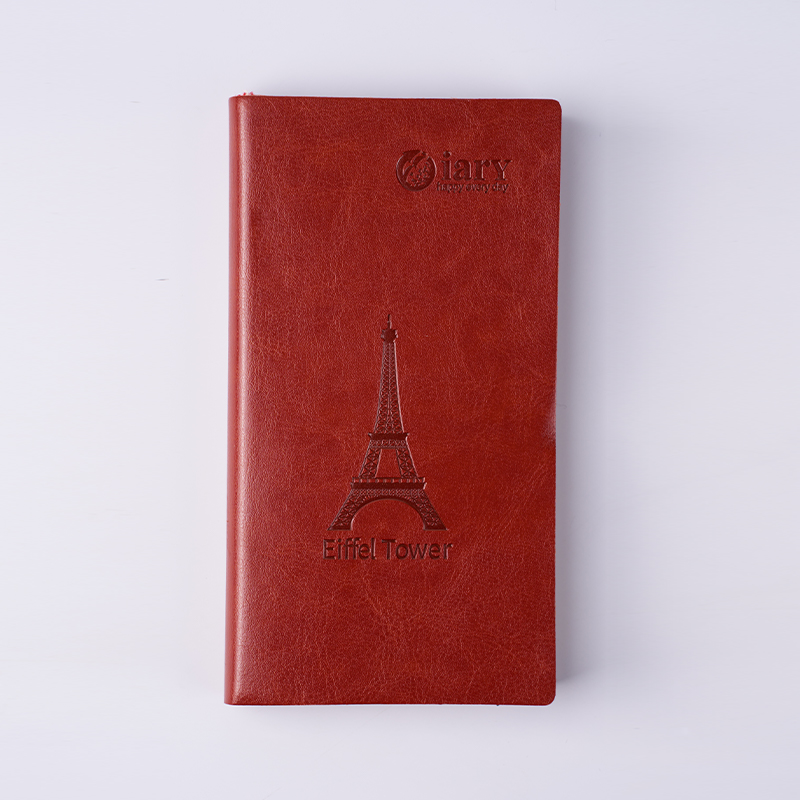
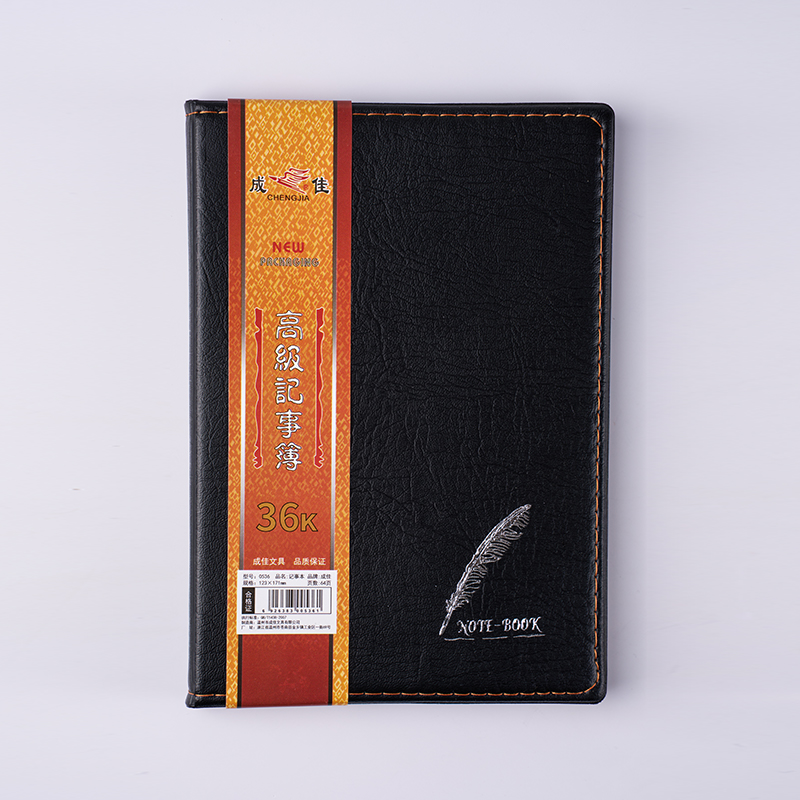
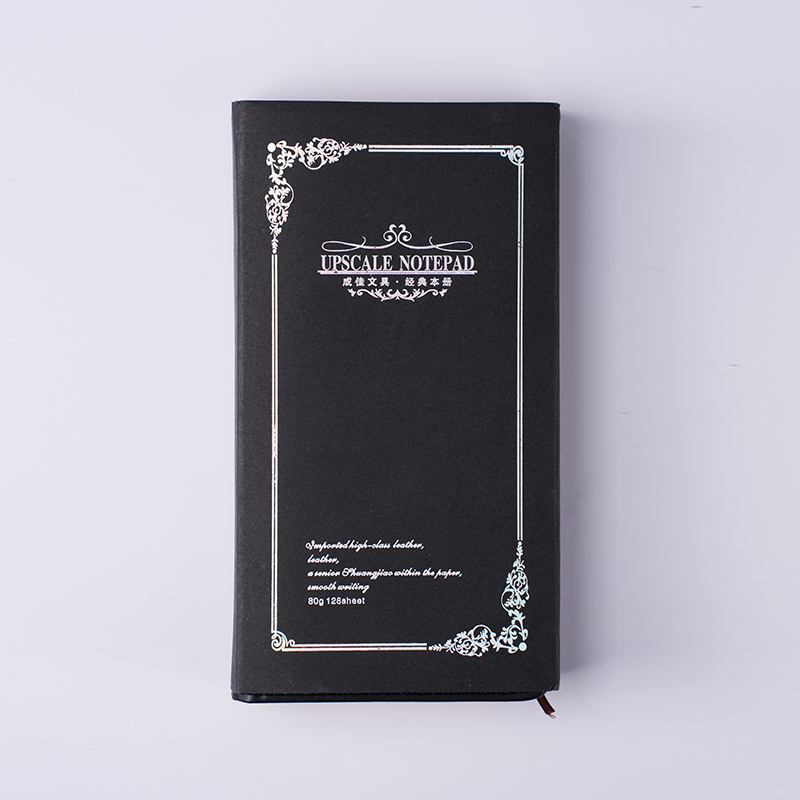
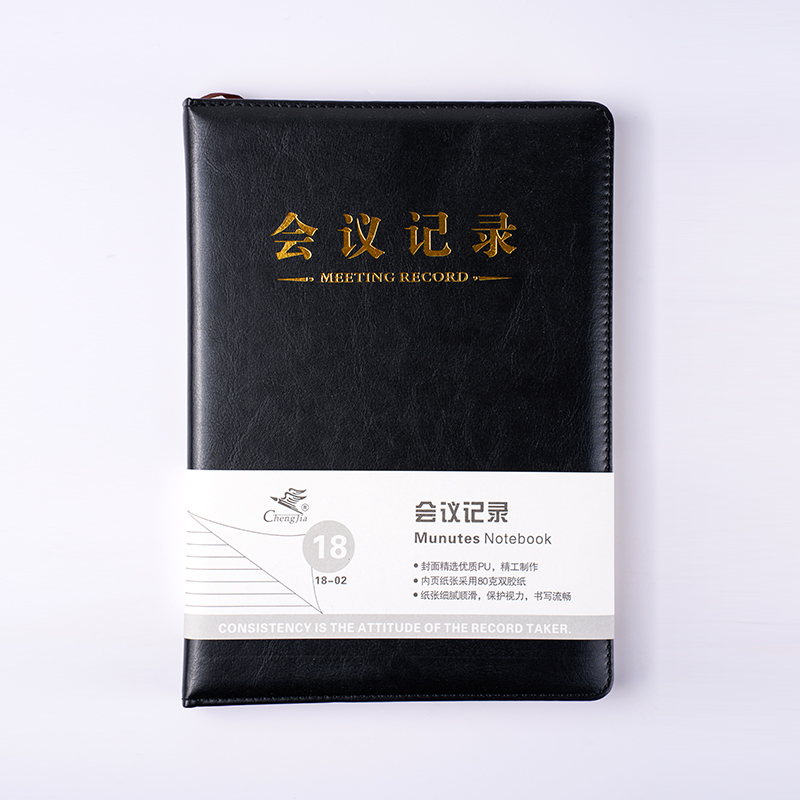
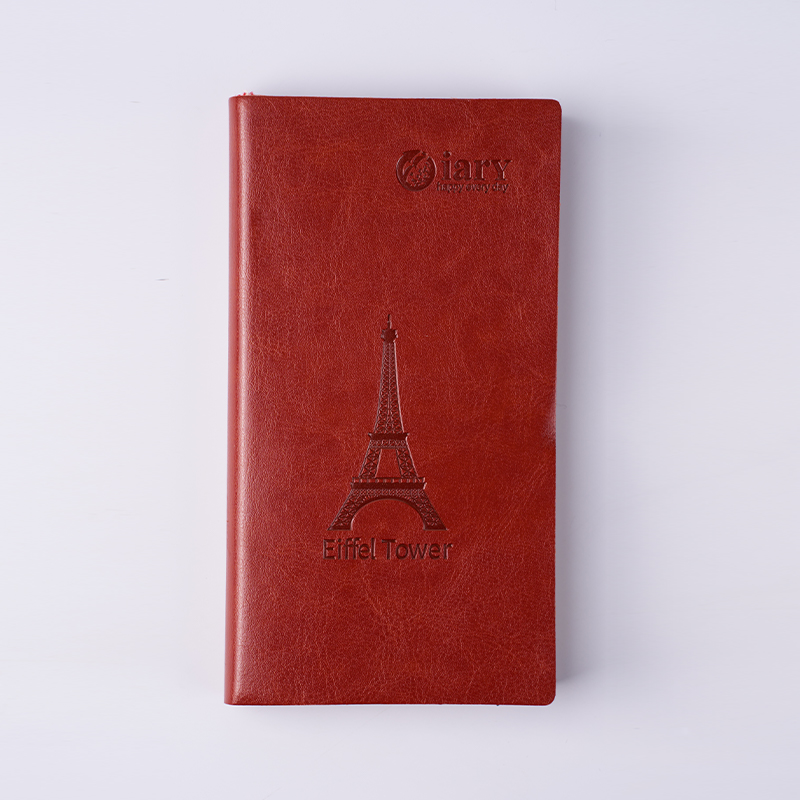
A company logo or executive name on the cover, applied with foil or embossing. A business work notepad manufacturer offers these finishing touches as standard options, not afterthoughts. The logo sits cleanly on the chipboard cover, often gold or silver foil that catches light.
Perforation that tears smoothly
Business pads get micro-perforation—tiny cuts that make tearing feel clean, not rough. A business work notepad manufacturer dials in the perforation pressure so sheets come off without ragged edges. No one wants to hand a client a note that looks like it was ripped out in a hurry.
Backing that feels substantial
Heavy chipboard, sometimes wrapped in paper or fabric. A business work notepad manufacturer uses backing that matches the paper quality—thick enough to write on in a lap, rigid enough to hold its shape in a briefcase.
How They're Made
Paper rolls come in and sheets are cut
Large parent rolls of high-grade paper are unwound, inspected for defects, and cut into sheets of the finished pad size. A business work notepad manufacturer does this in a climate-controlled area so paper stays flat and doesn't curl.
Ruling is printed on offset or digital presses
The lines are printed in a separate pass. Many business pads use a soft blue or gray rule that reproduces cleanly and doesn't photocopy darkly. A business work notepad manufacturer offers custom ruling patterns for clients who want something specific—dot grid, faint grid, or no lines at all.
Pages are stacked and padded
Sheets are stacked face-up to the specified count—typically 50, 80, or 100 for business pads. The stack is clamped, glue is applied at the binding edge, and the backing is pressed on. A business work notepad manufacturer controls glue temperature and thickness to avoid bleed-through.
Trimming, corners, and packaging
The three unbound edges are trimmed for superb alignment. Corners are usually rounded—it looks cleaner and prevents dog-ears. Foil stamping and embossing happen before final packaging. A business work notepad manufacturer wraps each pad individually or packs them in branded boxes.
What Makes a Good Business Notepad Factory
Paper sourcing and consistency
Cheap paper pills, feathers, or bleeds. A reliable business work notepad manufacturer buys from mills that produce consistent shade and caliper. Incoming paper is tested for brightness, opacity, and surface smoothness. If the paper changes, the pad changes, and clients notice.
Print registration and color
Lines must be straight and evenly spaced. A business work notepad manufacturer with maintained presses and trained operators delivers clean printing every time. Color matching for custom ruling or header printing is handled with spot-color or digital systems.
Glue that holds but doesn't bleed
The adhesive must penetrate without wicking into the writing area. A good factory tests glue penetration on sample stacks before running a full order. The glue also has to stay flexible—brittle glue cracks when the pad is bent back.
Finishing details
Foil stamping must be crisp and centered. Corner rounding must be clean, not fuzzy. Perforation must tear evenly across the entire sheet width. A serious business work notepad manufacturer inspects every pad for these details, because that's what clients pay for.
Lead times and small
Business pads often go to corporations with tight deadlines. A good factory offers reasonable small—500 to 1,000 pieces—and turnarounds that match project timelines. Custom work takes longer but should come with clear communication about shipping dates.
A business work notepad manufacturer produces the pads that executives reach for when a call or meeting demands attention. The good ones use heavier, brighter paper. They offer clean ruling, sharp perforation, and premium binding. They handle foil stamping and custom printing for corporate clients. They test their paper, their glue, and their finishing. The result is a notepad that writes smoothly, tears cleanly, and sits on a desk looking like it belongs there. Choose a factory that treats a business pad as what it is—professional stationery, not office throwaway.