English
 русский
 Español
Content
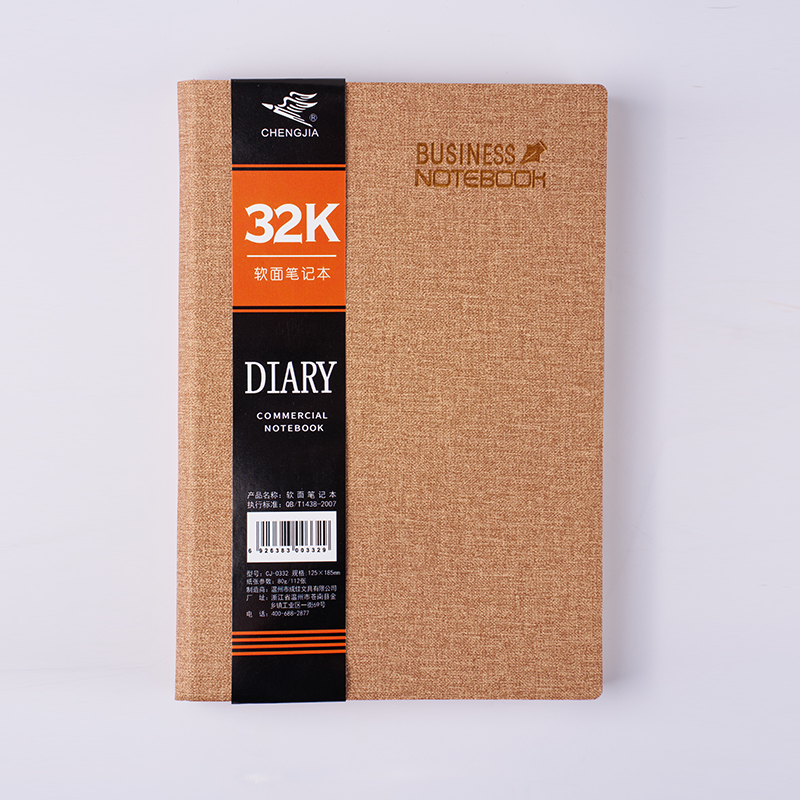
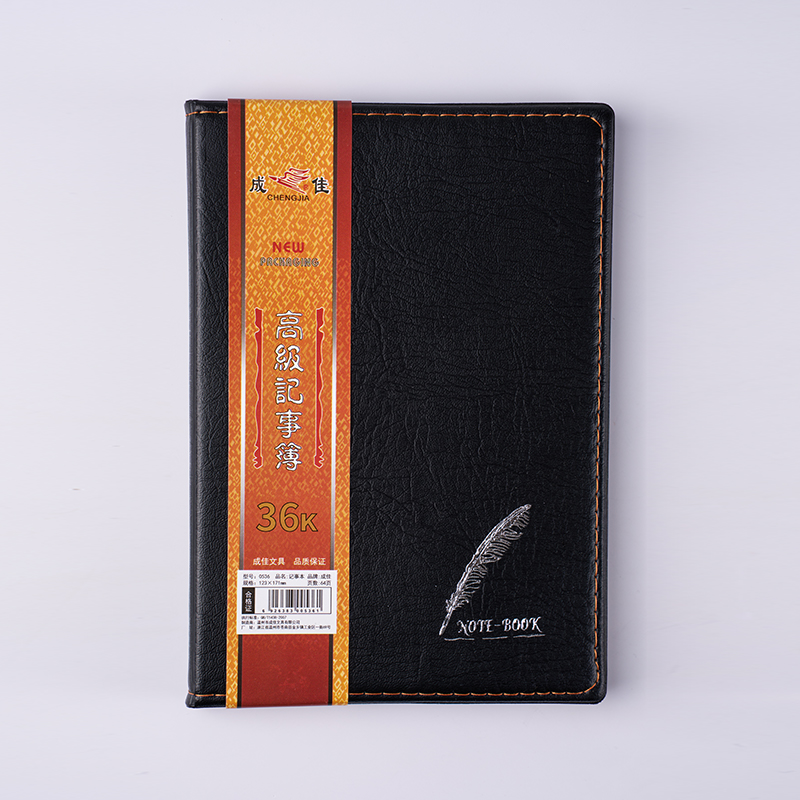
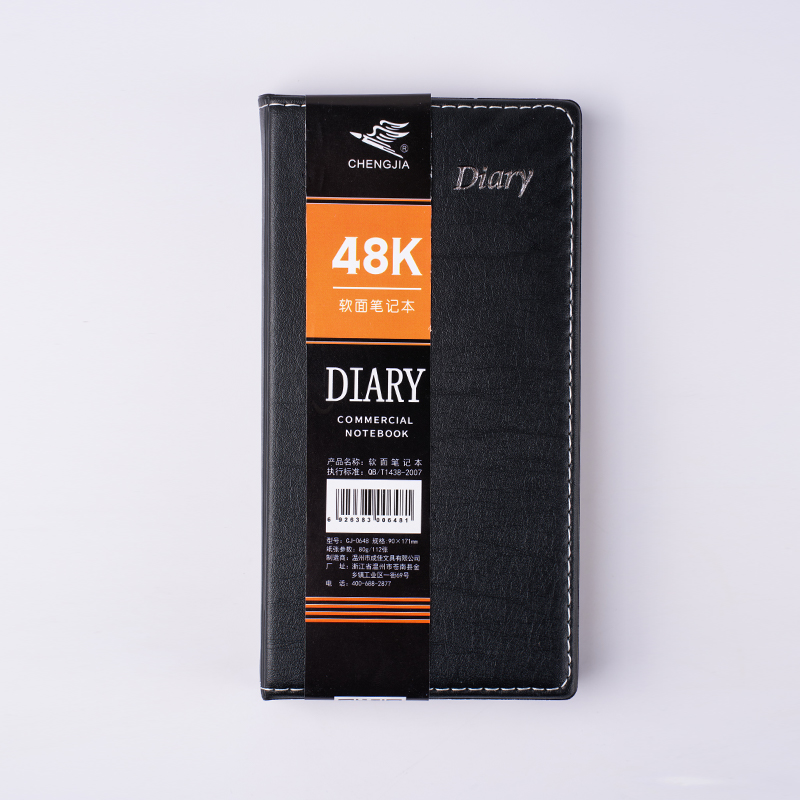
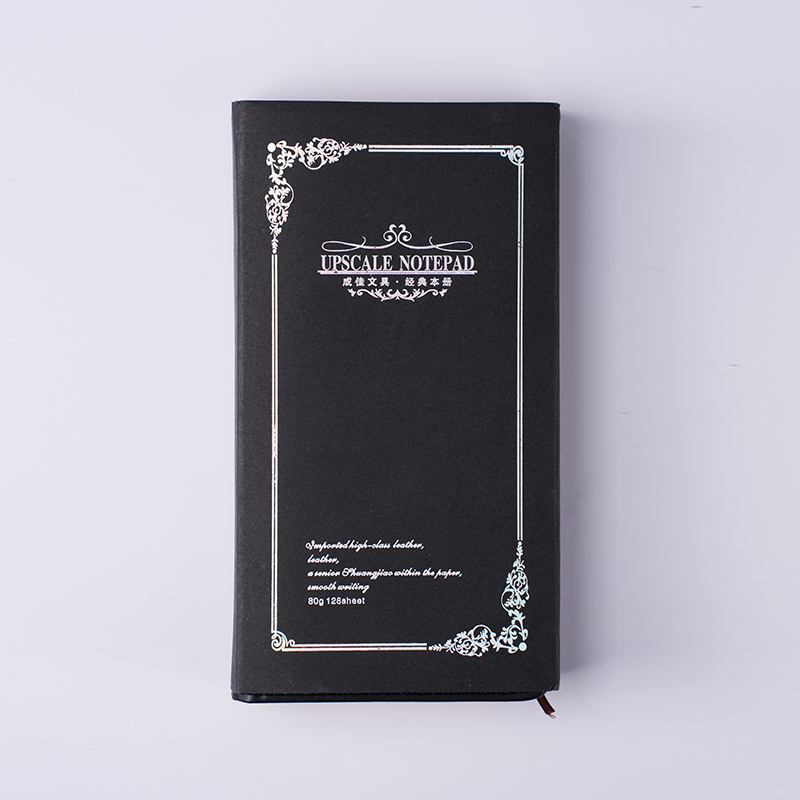
A hard cover agenda looks professional. But the cover is not the whole story. Buyers choose based on size first. Then durability. Then what is inside. An agenda hard cover that gets the cover right but fails on paper or binding does not last. Here is what actually matters when selecting or designing one.
Dimensions That Fit Real Workspaces
Pocket sizes for daily carry, large formats for desk use
An agenda hard cover comes in two size families. Pocket sizes run 5 by 7 inches or 6 by 8 inches. These fit in bags. They go from meeting to meeting. Desk sizes run 7 by 9 inches or 8 by 10 inches. These stay in one place. More writing space. Heavier to carry.
Pocket sizes outsell desk sizes by a wide margin. People want portability. The hard cover adds weight already. A large hard cover becomes a brick.
Thickness that balances page count and bag fit
Page count determines thickness. An agenda hard cover with 12 months of weekly spreads needs 160 to 200 pages. That is about 1.5 to 2 centimeters thick. Thinner than that, and the book feels cheap. Thicker than that, and it does not fit in bag pockets.
Buyers look for 12 to 18 months of coverage. Anything shorter feels like a waste. Anything longer adds unnecessary weight.
Cover overhang that protects page edges
The hard cover should extend past the pages by 2 to 3 millimeters on all sides. That overhang takes the impact when the agenda hard cover is dropped. The pages stay clean. Corners stay sharp.
Here is what size specifications matter in an agenda hard cover:
- Width and height in inches or millimeters
- Page count and corresponding spine thickness
- Cover overhang measurement
- Weight in grams or ounces
Durability That Lasts a Full Year or More
Board thickness for impact resistance
The cover board needs to be thick enough. 2 to 2.5 millimeters is standard. Less than that flexes under pressure. The pages inside get dented. More than that adds weight without benefit.
Binder's board is the standard material. Dense chipboard works but wears faster. The difference shows after six months of daily carry.
Cover material that resists water and abrasion
Paper covers stain. Cloth covers show dirt. A durable agenda hard cover uses polyurethane, vinyl, or treated fabric. These materials wipe clean. They do not absorb moisture. They resist scuffing.
Polyurethane is the common. It looks like leather. Costs less. Lasts long enough for a year of use. Real leather lasts longer but costs more and requires care.
Corner construction that prevents peeling
Corners take the abuse. Rounded corners resist peeling better than sharp corners. Reinforced corner construction uses extra material or a separate corner piece.
Cheap agenda hard cover products have corners that peel after a few months. The board shows. The book looks worn. Buyers notice.
Here is what durability requires:
- Cover board thickness of 2 to 2.5 millimeters
- Polyurethane, vinyl, or treated fabric cover material
- Rounded corners with reinforcement
- Spine construction that flexes without cracking
Core Inner Function: Paper and Lay-Flat Binding
Paper weight that resists bleed-through
The cover is hard. The paper should be substantial too. An agenda hard cover needs 80 to 100 GSM paper. Lighter paper tears. Ink bleeds through. Highlighter shows on the other side.
Heavier paper feels premium. It takes fountain pen well. It erases without tearing. The trade-off is weight. More paper weight means heavier book.
Paper color and finish for writing comfort
Bright white paper looks clean. It causes glare under office lighting. Cream or ivory paper reduces eye strain. The difference is small but noticeable over a full day of writing.
Smooth finish works for ballpoint and gel pens. Textured finish works for pencil. An agenda hard cover intended for mixed use should have smooth finish. people use pens, not pencils.
Lay-flat binding for writing without holding the book open
This is the important inner feature. An agenda hard cover that does not lie flat frustrates users. They fight the book. They stop using it.
Smyth sewn binding lies flat. Pages are stitched together in sections, then attached to the cover. The book opens fully. No resistance.
Glued binding does not lie flat. The pages pull back toward the spine. The user holds the book open with one hand and writes with the other. Annoying.
Here is what paper and binding specifications matter:
- Paper weight 80 to 100 GSM, acid-free
- Cream or ivory paper for reduced glare
- Smyth sewn or lay-flat glued binding
- Rounded spine that flexes with the pages
An agenda hard cover is a tool. The cover protects. The size determines where it goes. The paper and binding determine whether anyone actually uses it. Buyers who focus only on the cover miss the point. A beautiful book that does not lie flat gets left on the shelf. A durable book with good paper gets used every day. That is the difference between a purchase and an investment.