English
 русский
 Español
Content
Notepad factories are seeing steady demand from office supply distributors, retail chains, and promotional buyers. The products range from simple glued pads to spiral-bound notebooks. The notepad is one of the most common writing products in offices, schools, and homes. Manufacturers report stable order volumes from both standard product lines and custom-branded orders.
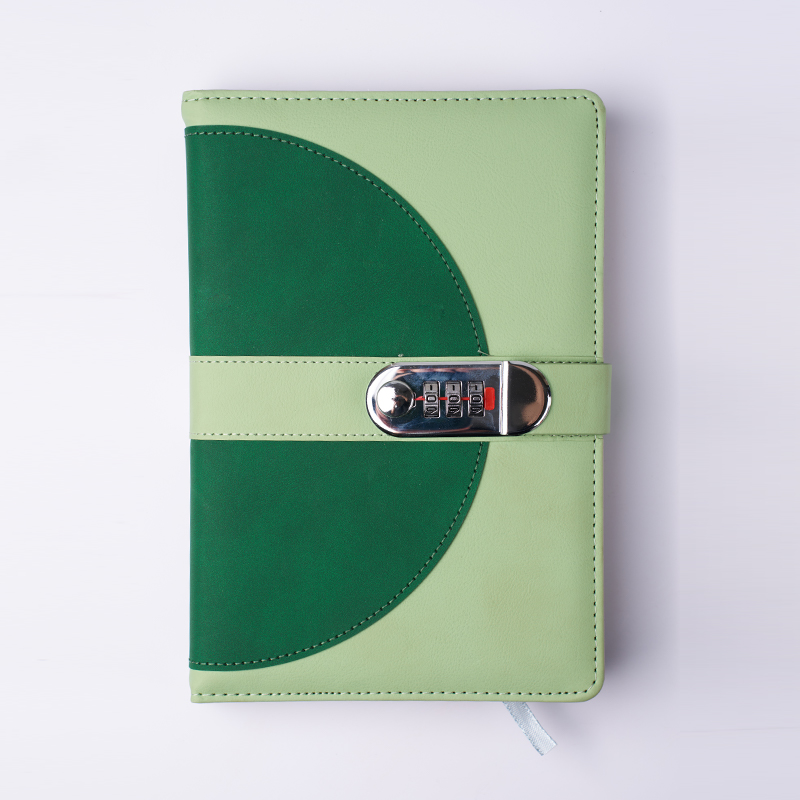
The Notepad Combines Simple Materials with Consistent Quality
Paper weight and smoothness determine writing quality
A notepad factory uses paper between 70gsm and 100gsm. Lighter paper is cheaper but bleeds more easily. Heavier paper handles fountain pens and markers without show-through. The paper is also checked for smoothness. Rough paper catches the pen and slows writing. Smooth paper lets the pen glide.
Binding choice depends on how the notepad will be used
Glued binding is the standard for tear-off pads. A notepad factory applies glue along the top edge so sheets tear off cleanly. Spiral binding is used when the notepad needs to lay flat. Perfect binding is used for thicker notepads that look like books.
Cover stock protects the pages and carries branding
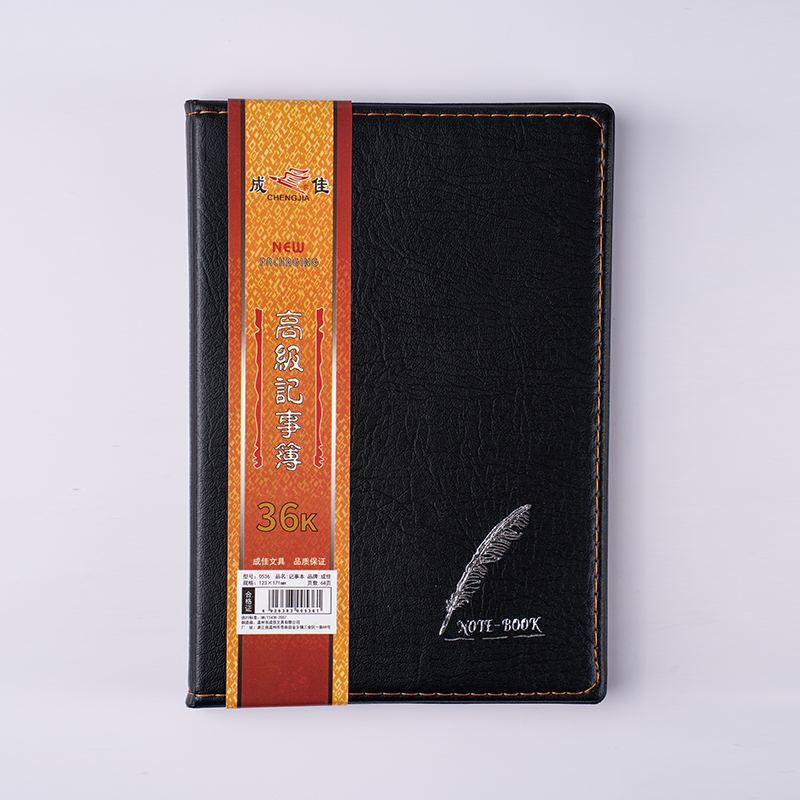
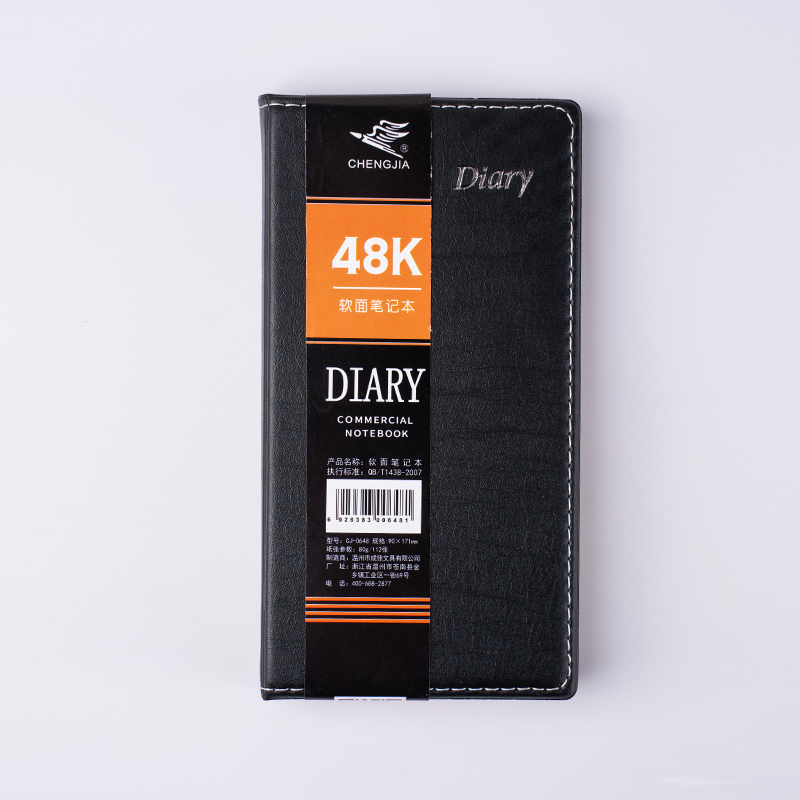
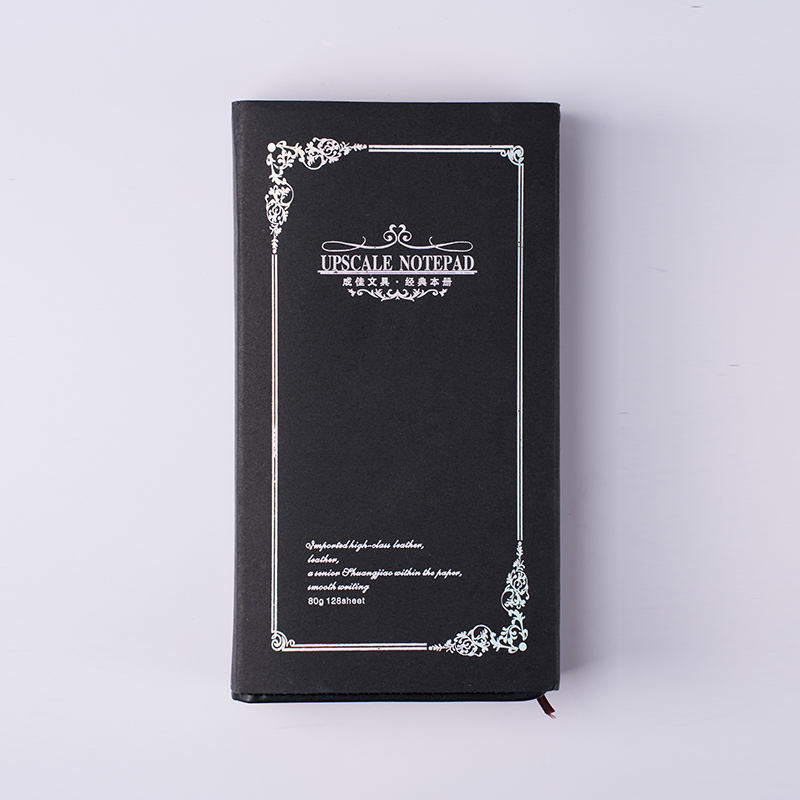
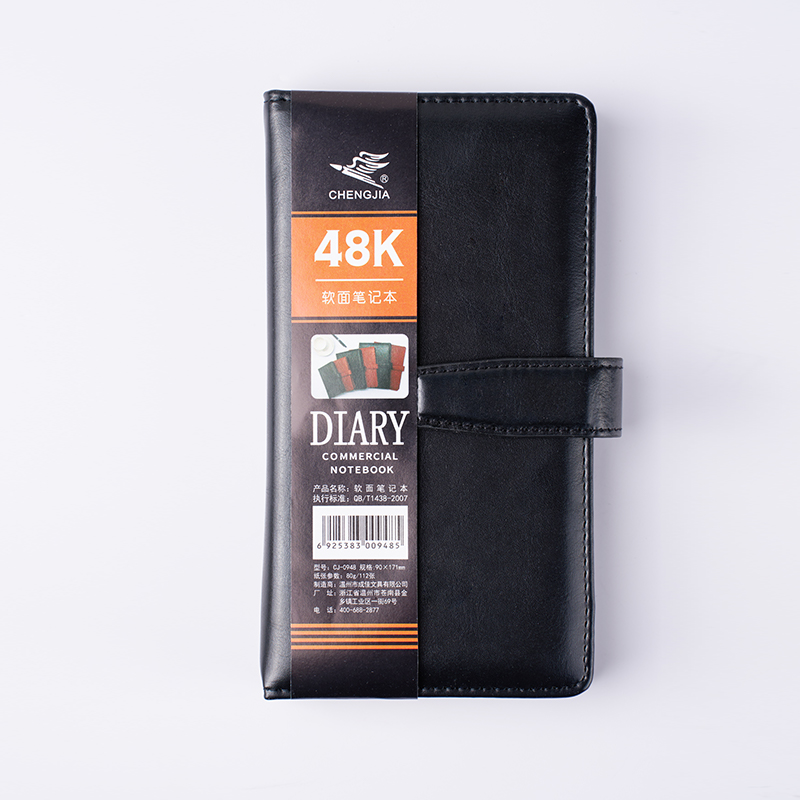
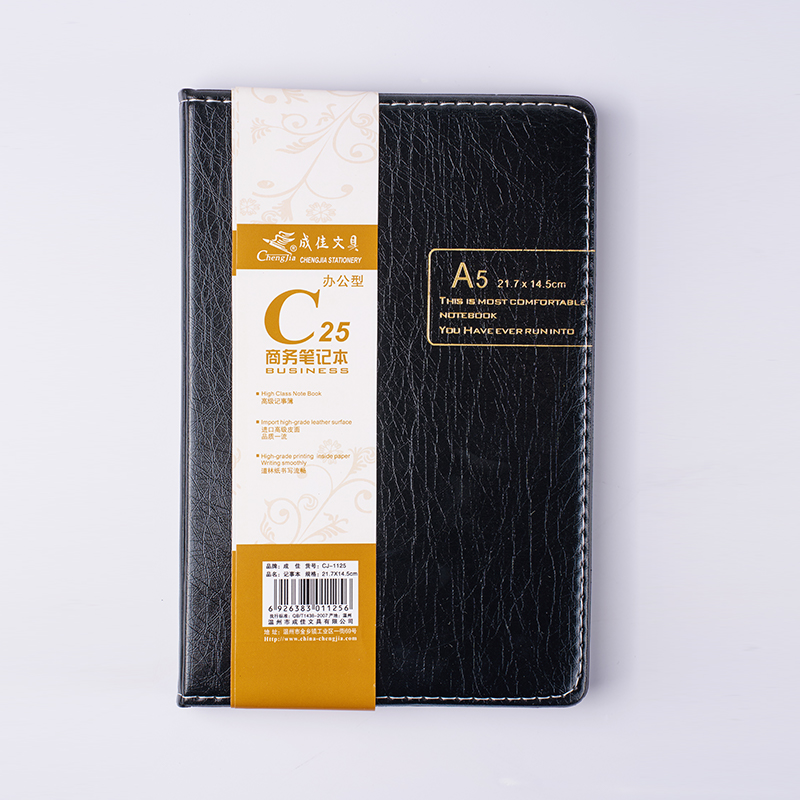
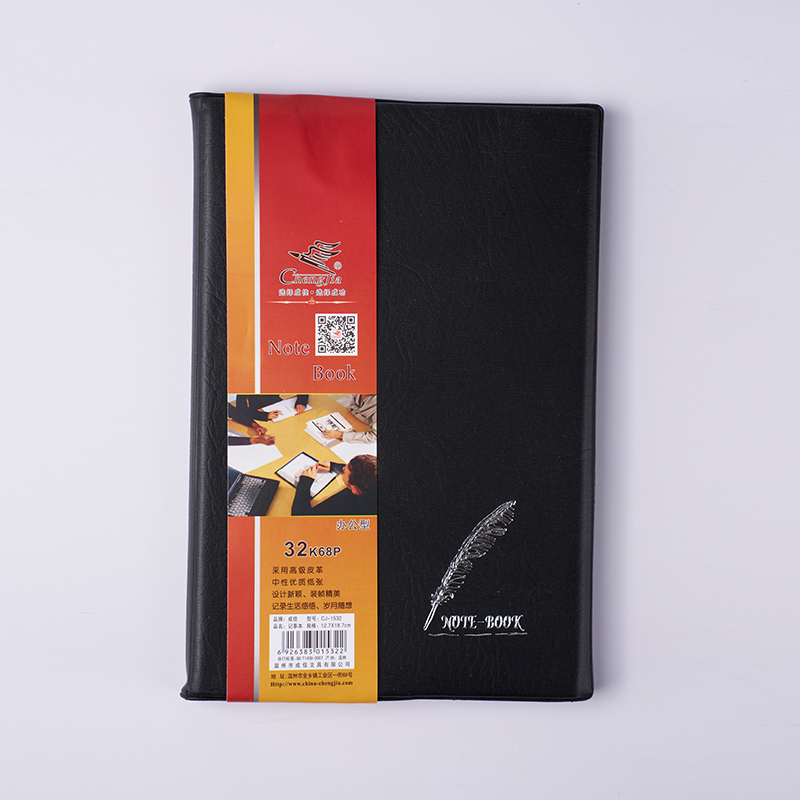
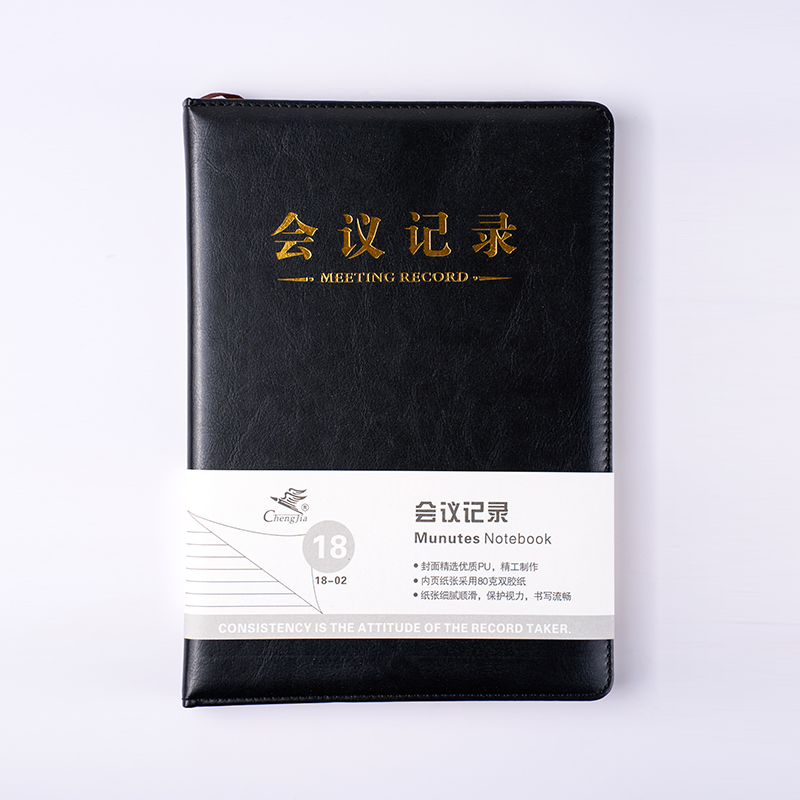
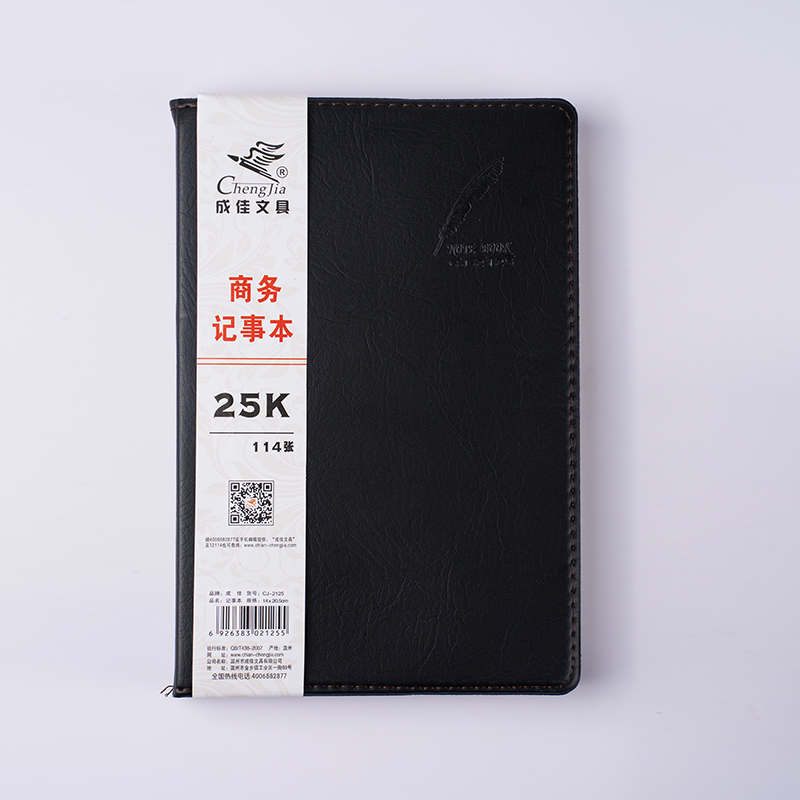
The cover is made from cardstock or heavier paper. A notepad factory prints logos, titles, or plain covers depending on the order. The cover protects the pages during transport and gives the notepad a finished appearance.
Common specs for notepads:
- Paper weight: 70gsm to 100gsm
- Paper color: white, cream
- Binding: glued, spiral, perfect
- Sizes: A4, A5, A6, pocket
- Ruling: lined, plain, graph, dot grid
- Pages: 40 to 200
Office, School, and Promotional Markets Drive Demand
Office distributors stock standard notepads in volume
Offices use notepads for meetings, phone calls, and daily notes. A notepad factory supplies A4 and A5 notepads in volume. The notepads are packed in cartons for distribution.
Schools use notepads for classroom work
Students use notepads for notes and assignments. A notepad factory supplies notepads in sizes and rulings that match school requirements.
Promotional buyers use notepads for branding
Companies put logos on notepads for events and giveaways. A notepad factory prints the logo on the cover and sometimes on each sheet.
Retail chains sell notepads as everyday items
Retailers stock notepads in the stationery aisle. A notepad factory supplies notepads in packaging that appeals to retail customers.
Buyers Focus on Paper Quality, Binding, and Printing
Paper quality affects the writing experience
The paper must take ink without bleeding. A notepad factory tests the paper with ballpoint, gel, and fountain pens.
Binding strength determines whether the notepad survives use
The glue must hold the pages until they are torn off. A notepad factory tests the binding by opening and closing the pad repeatedly.
Printing quality affects the brand image
The logo must be sharp and durable. A notepad factory uses printing processes that do not smudge or fade.
Size and ruling must match the intended use
A4 notepads are used for detailed notes. Pocket notepads are used for quick notes. A notepad factory offers lined, plain, graph, and dot grid rulings.
Packaging and delivery affect the buyer's operations
The notepads must arrive in good condition. A notepad factory packs the notepads in cartons with protection against moisture and handling damage.
Notepads Support Everyday Writing and Organization
The notepad is always within reach
A notepad on the desk or in the bag is ready when someone needs to write. A notepad factory produces notepads that are lightweight and easy to place.
The notepad is affordable and disposable
Notepads are inexpensive. A notepad factory produces notepads that are accessible to everyone.
Custom notepads reinforce brand identity
A branded notepad reminds the user of the company every time they write. A notepad factory produces custom notepads that support marketing and internal communication.