English
 русский
 Español
Content
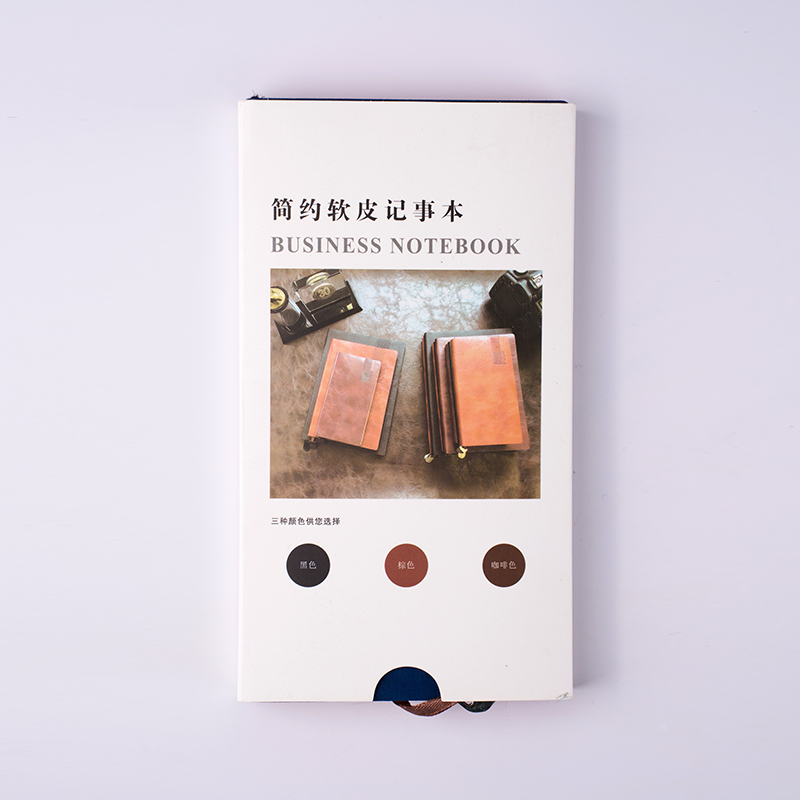
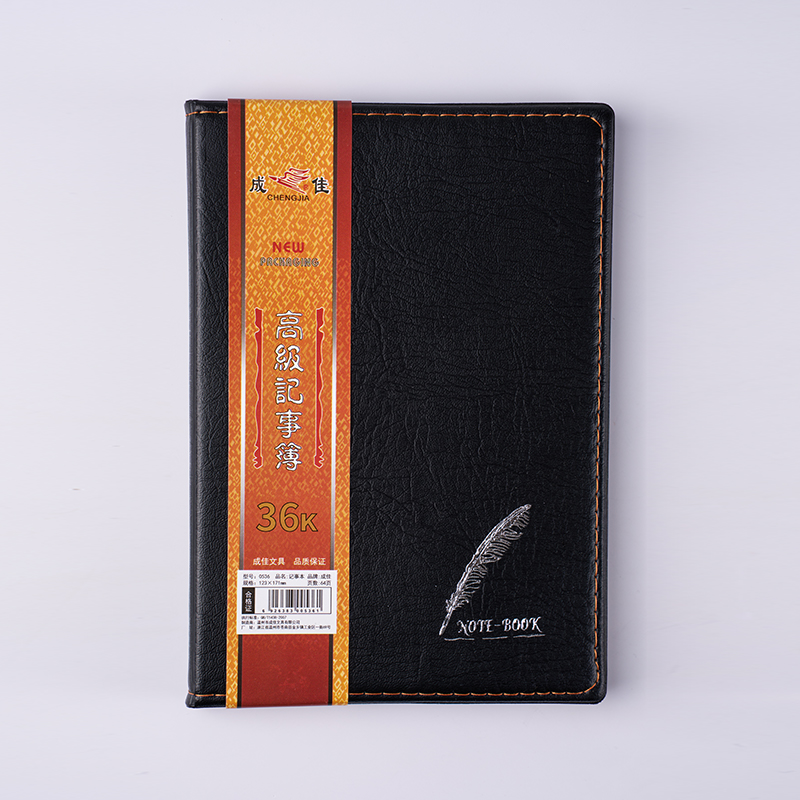
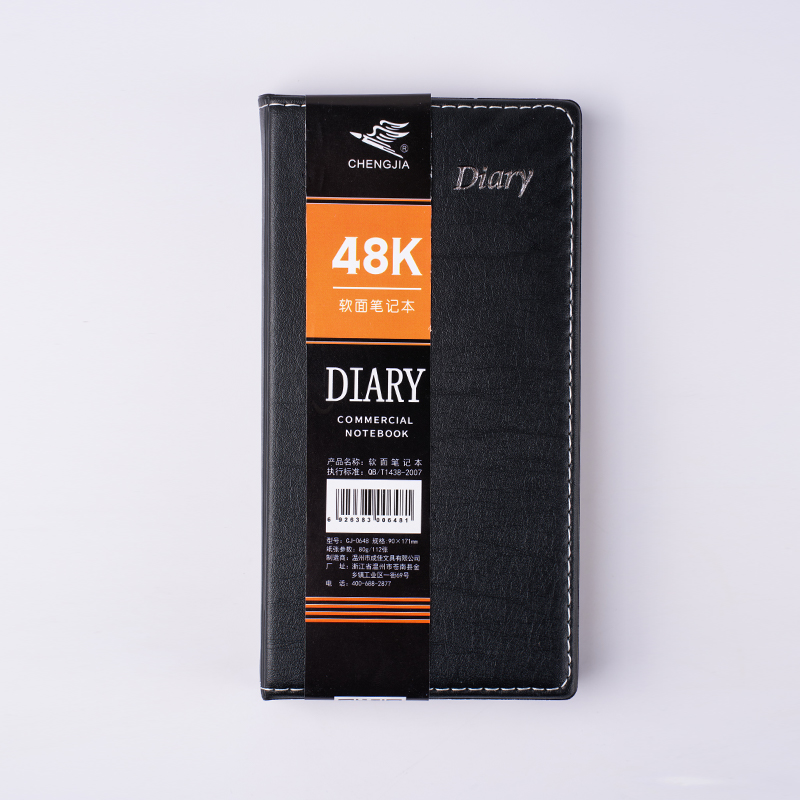
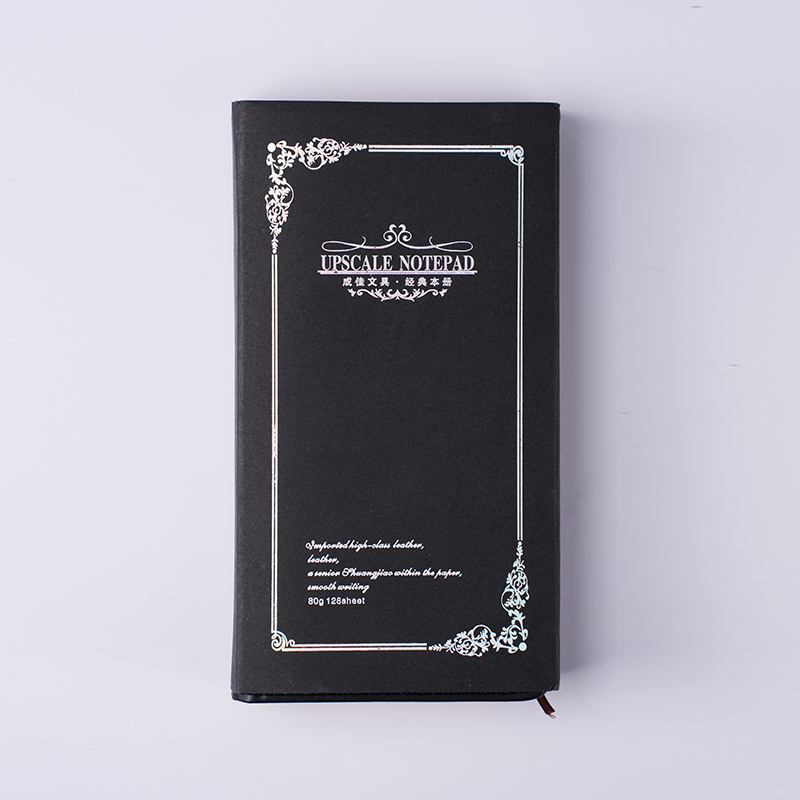
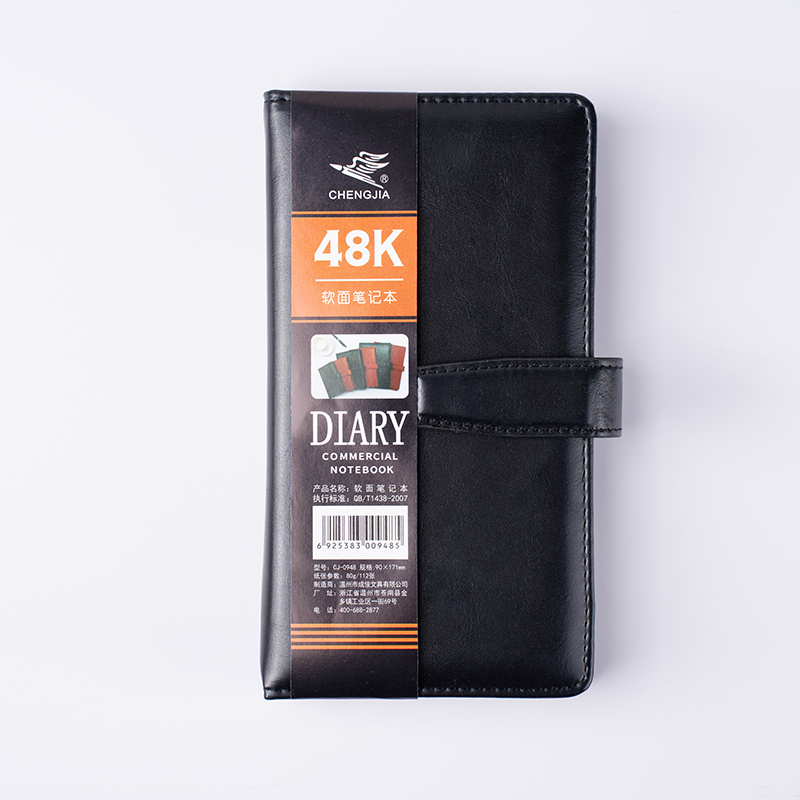
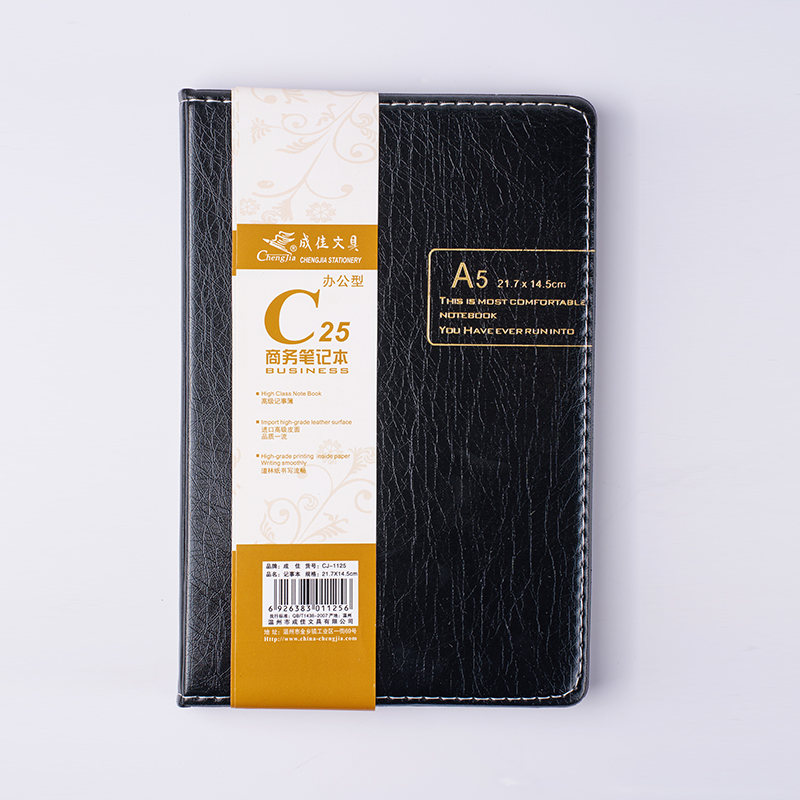
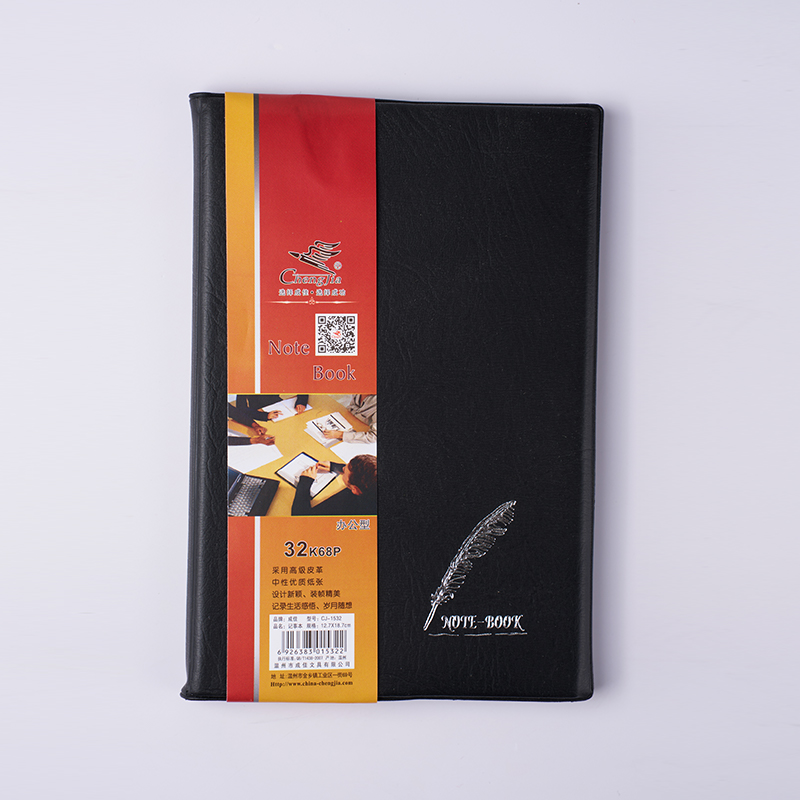
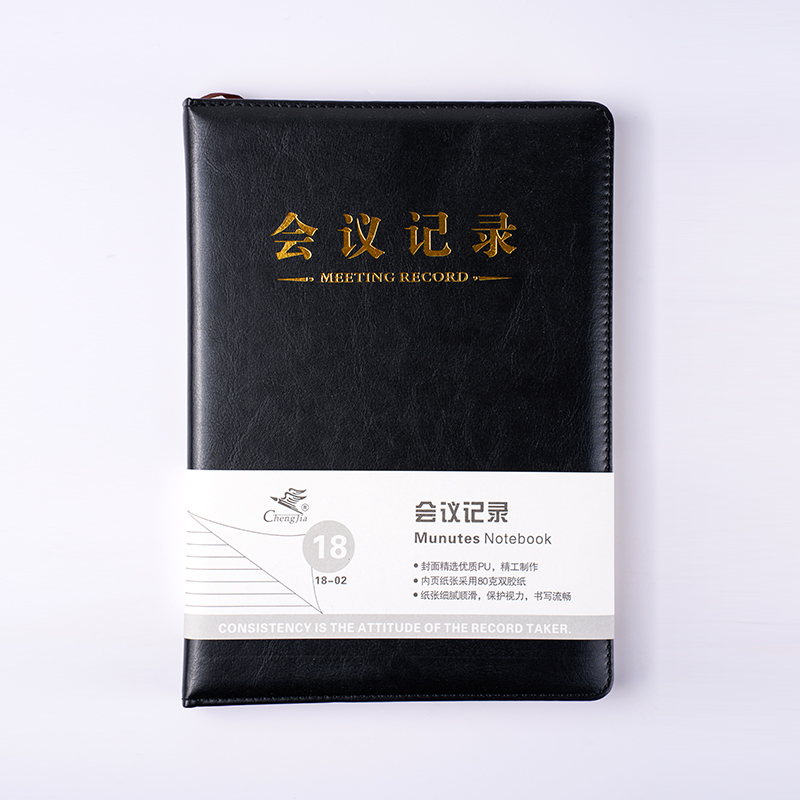
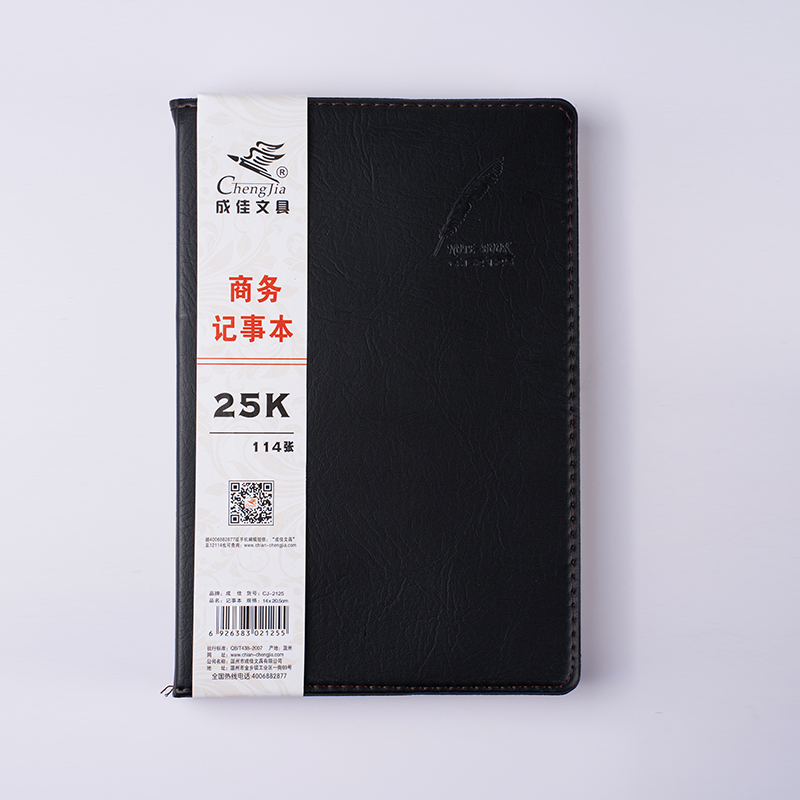
Notepad factories are seeing steady demand from offices, schools, and promotional markets. The products range from simple glued pads to spiral-bound notebooks. Manufacturers report that buyers prioritize paper quality, binding durability, and consistent sizing. Notepads are one of those products that never goes out of style. People still write things down. They still need paper. And factories that make notepads keep running because the demand doesn't stop.
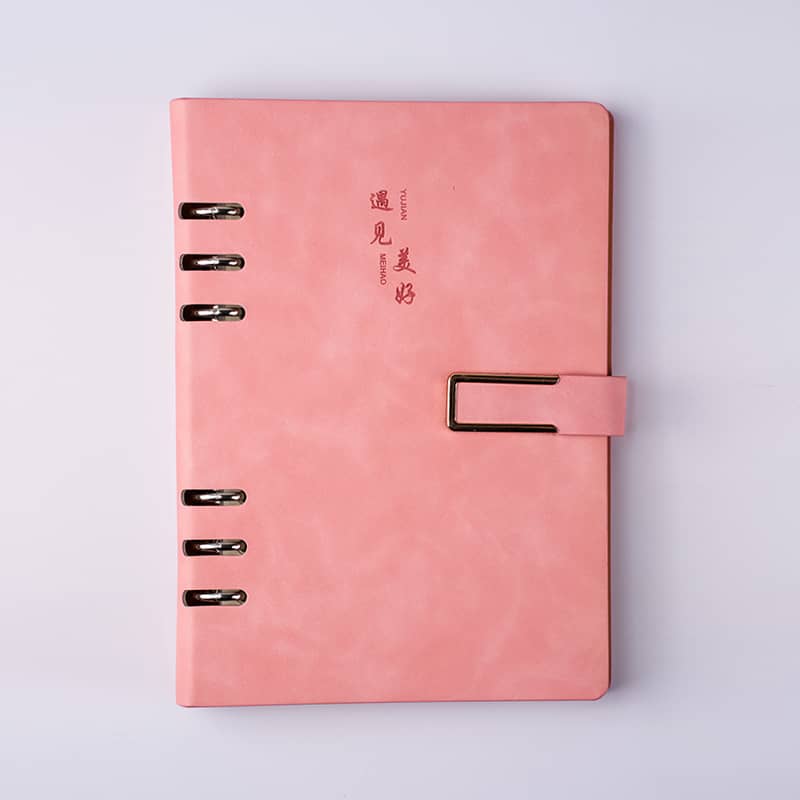
Paper Quality Drives Repeat Business
Paper weight determines whether ink bleeds through
Cheap paper bleeds. You write on one side and the ink shows on the back. A notepad factory uses 70gsm to 100gsm paper. The paper takes ballpoint, gel, and fountain pen ink without show-through. The difference between a cheap notepad and a good one is often just the paper weight.
Smooth paper makes writing easier
Rough paper catches the pen. The nib drags. Writing becomes work. A notepad factory uses smooth paper so the pen glides across the page. That matters when you're taking notes for an hour in a meeting.
Bright white or cream paper suits different uses
White paper is standard for office work. Cream paper is easier on the eyes and preferred for reading and writing. A notepad factory offers both. Some buyers specify one or the other depending on the application.
Common specs for notepads:
- Paper weight: 70gsm to 100gsm
- Paper color: white, cream
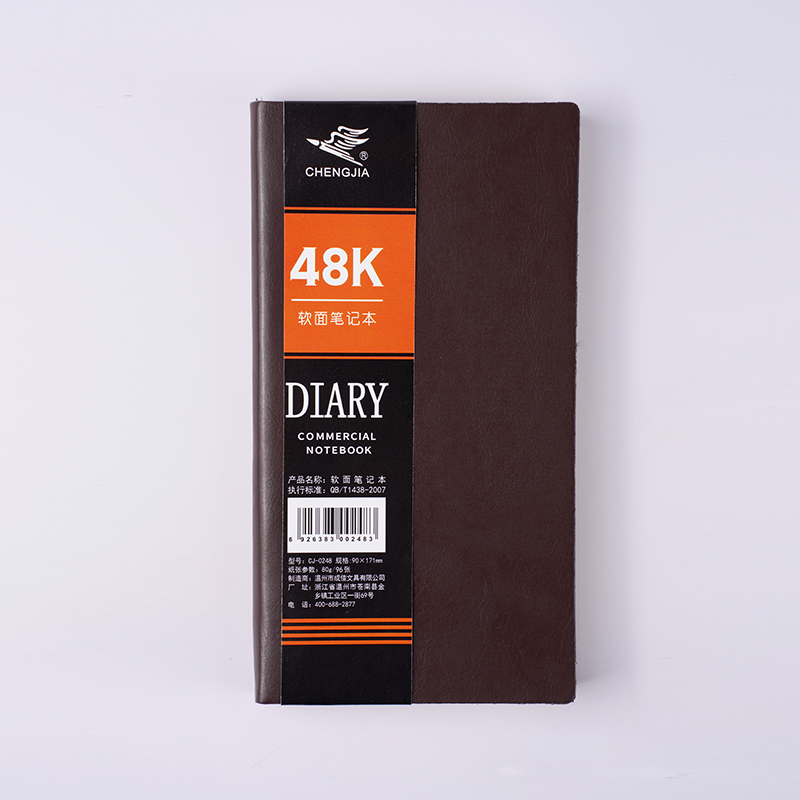
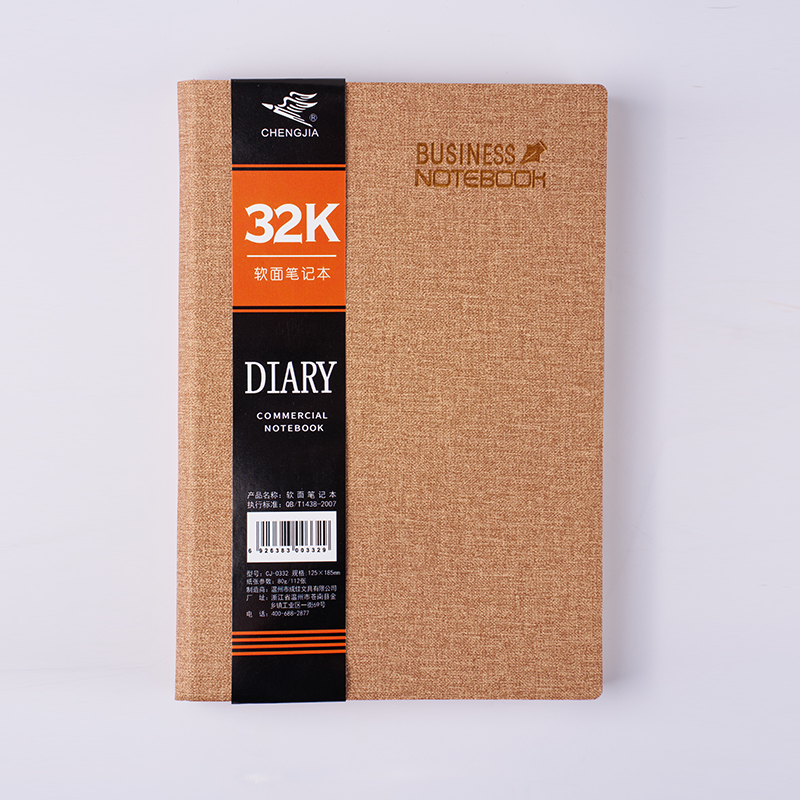
- Binding: glued, spiral, perfect
- Sizes: A4, A5, A6, pocket
- Ruling: lined, plain, graph, dot grid
- Pages: 40 to 200
Binding Options Serve Different Applications
Glued pads tear off cleanly
Glued notepads are for quick notes. A notepad factory applies glue along the top edge. Sheets tear off cleanly without ripping. The pad stays together until you need a sheet.
Spiral binding allows the pad to lay flat
Spiral-bound notepads stay open on a desk. A notepad factory uses wire or plastic spiral. The pad lies flat, so you can write on either side without holding it down.
Perfect binding looks like a book
Perfect-bound notepads have a squared spine. They look more permanent than glued pads. A notepad factory uses this binding for thicker notepads that are meant to be kept.
Promotional and Custom Markets
Companies buy branded notepads for events
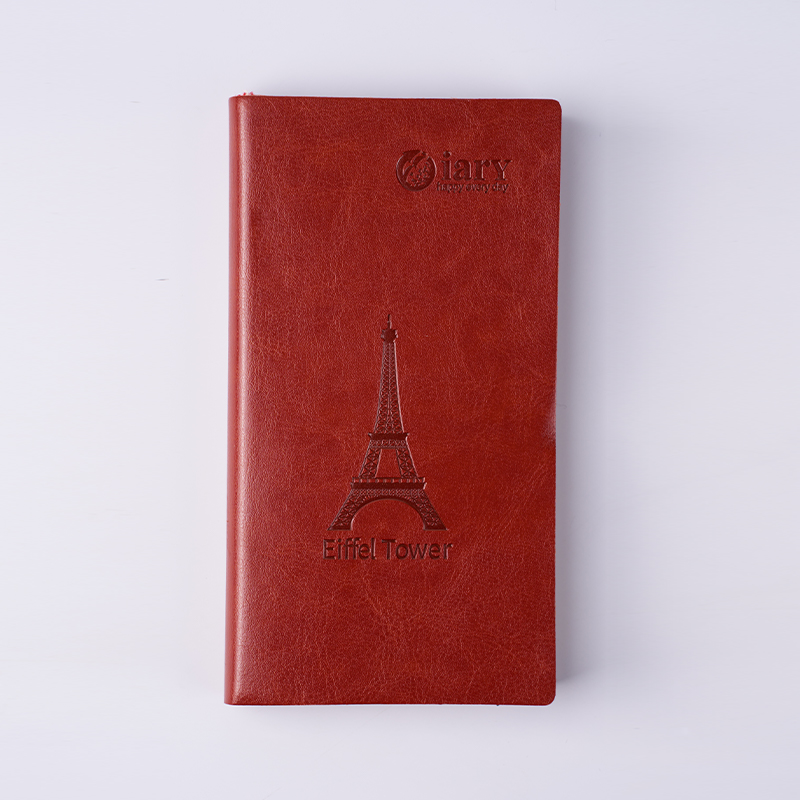
Trade shows, conferences, client meetings. Logos go on covers. A notepad factory offers printing and custom covers. A branded notepad sits on a desk for months, so the branding keeps working long after the event.
Schools and offices buy in bulk
Standard sizes and rulings are in demand. A notepad factory supplies A4 and A5 notepads in volume. Schools order by the case. Offices order by the pallet.
Hotels and hospitality use branded notepads
Guest rooms and meeting rooms need notepads. A notepad factory supplies custom-printed notepads for hospitality. The branding reinforces the hotel's identity every time a guest takes a note.
Buyers Focus on Paper, Binding, and Printing
Paper quality must match the intended use
Different uses need different paper. A notepad factory offers different paper weights and finishes. A notepad for sketching needs heavier paper than one for phone messages.
Binding must suit how the notepad is used
Glued for tear-off. Spiral for lay-flat. Perfect for book-like. A notepad factory offers different binding types. The right binding depends on how the user works.
Printing must be sharp and durable
Logos and branding must look good. A notepad factory uses quality printing that doesn't smudge or fade. The cover is the first thing people see.
Sizing must match standard requirements
A4, A5, and A6 are standard. A notepad factory offers standard and custom sizes. Custom sizes are available for specific applications.
Paper sourcing affects cost and quality
Paper is the main cost. A notepad factory sources paper from reliable mills. The paper is consistent batch to batch. Inconsistent paper means inconsistent notepads.
Notepad Factories Serve Multiple Markets
Office and school supply
Standard notepads are sold in bulk. A notepad factory supplies office and school markets. These are the highest-volume customers.
Promotional products
Branded notepads are given away at events. A notepad factory produces custom notepads for promotional use. The volume is smaller but the margins are better.
Hospitality and guest services
Hotels and conference centers use branded notepads. A notepad factory supplies notepads for guest rooms and meeting spaces.
Specialty and custom notepads
Some buyers need specific sizes, rulings, or covers. A notepad factory offers custom production runs for these customers.
Notepad factories are responding to steady demand from office, school, promotional, and hospitality markets. Buyers prioritize paper quality, binding durability, and printing consistency. Notepad factories continue to offer different paper weights, binding types, and custom printing options to meet the needs of different customers. The product is simple. The demand is consistent. The factories that get the details right keep the business.