English
 русский
 Español
Content
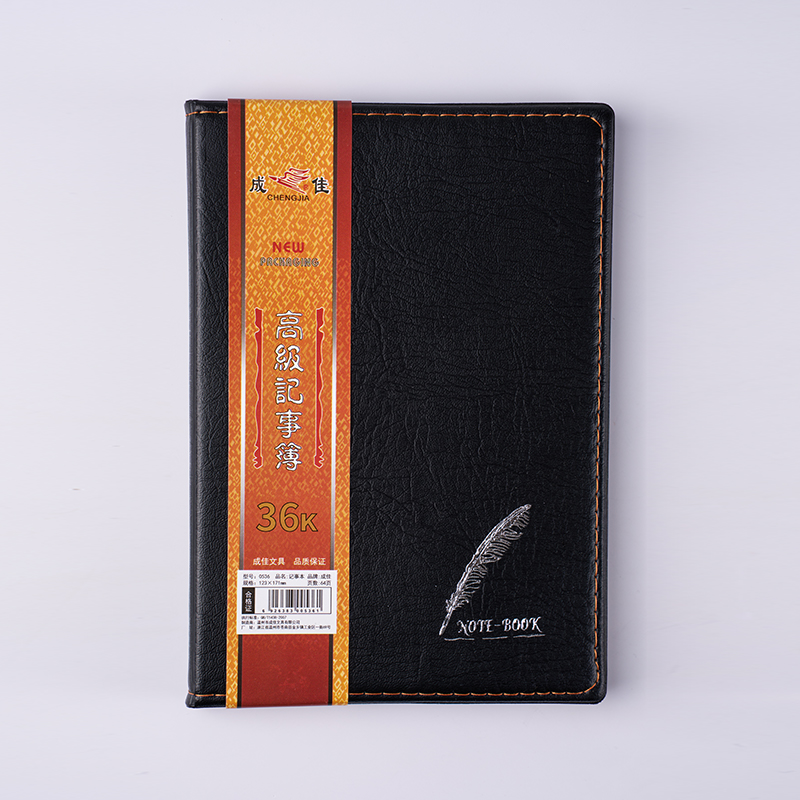
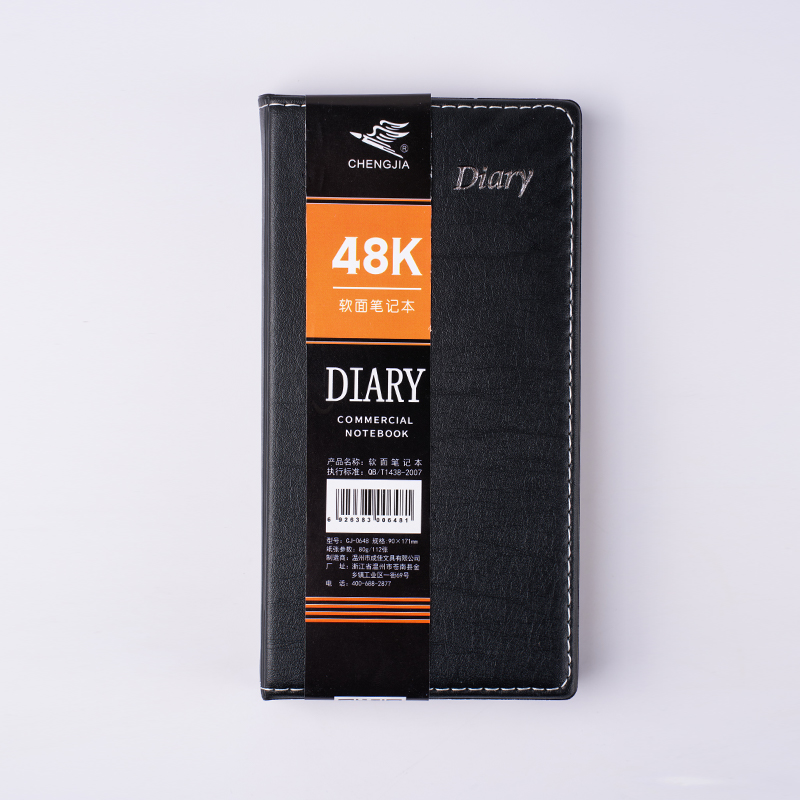
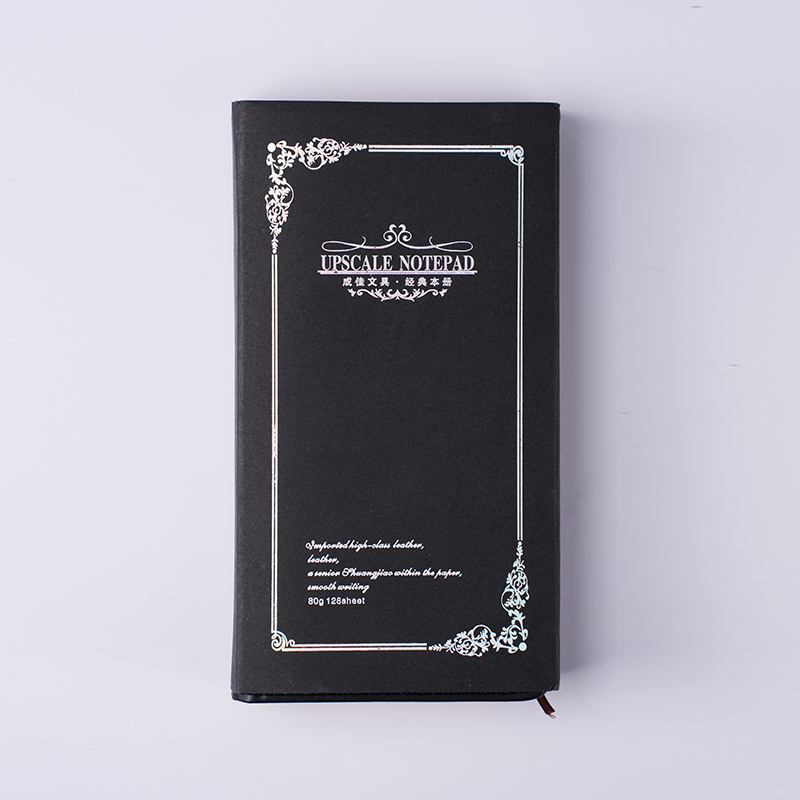
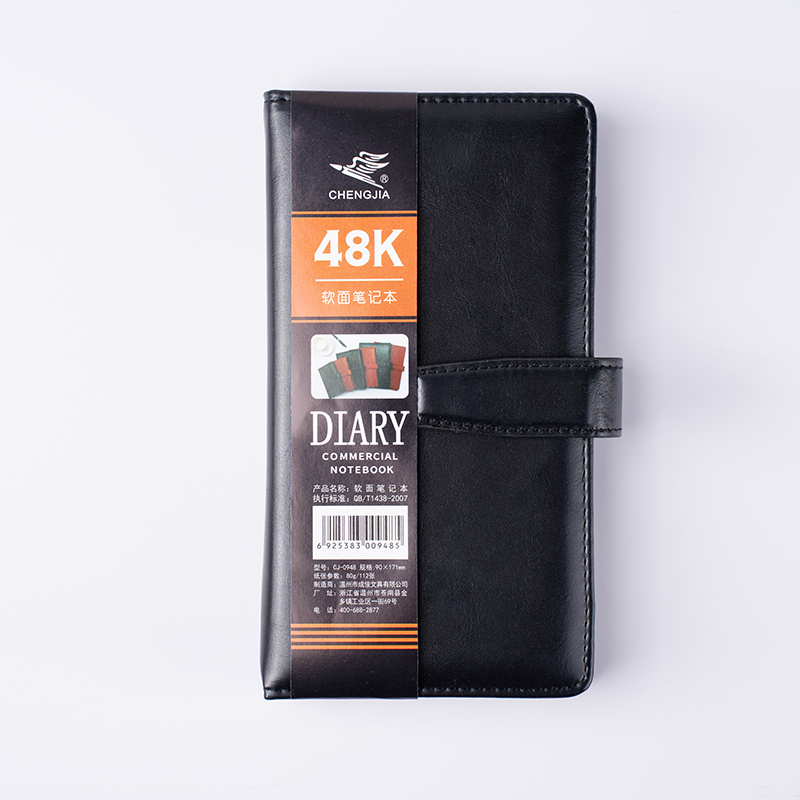
Walk into any office, classroom, or job site. Someone is writing on a notepad—jotting a phone number, sketching a diagram, making a to-do list. That simple pad of paper, with its clean sheets and firm backing, didn't appear fully formed. Behind every notepad stands a notepad factory manufacturer, a facility that turns large rolls of paper into the bound, cut, and padded sheets that people grab for every quick note and every important reminder.
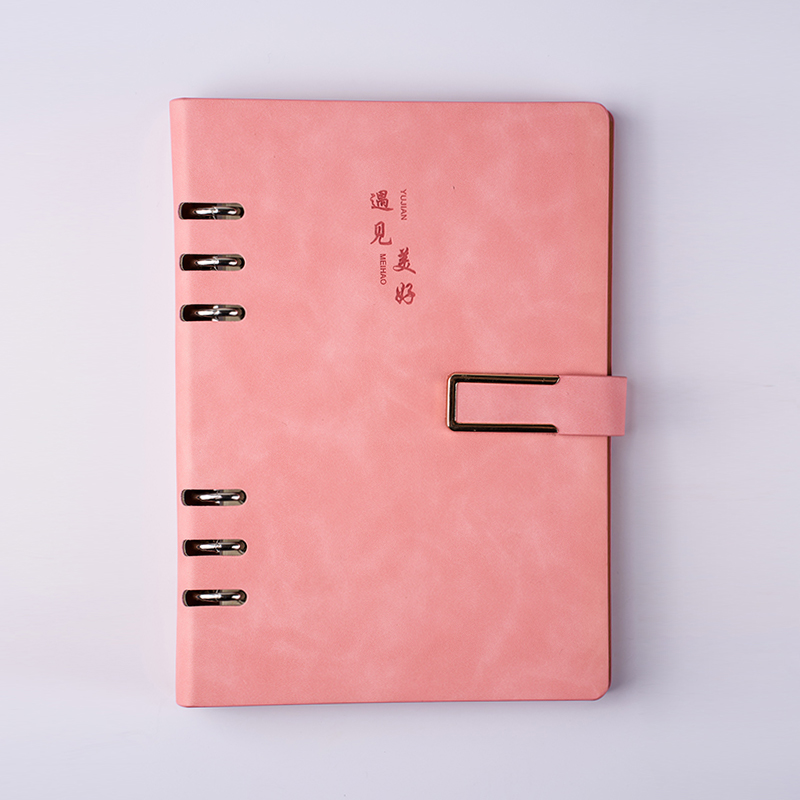
The Paper They Use
Different writing tools need different surfaces
Ballpoints glide ideal on smooth paper. Fountain pens need something that won't bleed. Pencils grab better on paper with a bit of tooth. A notepad factory manufacturer brings in paper with the right finish for the job—smooth, vellum, or laid—though many standard pads use a smooth finish that handles pretty much anything you throw at it.
Brightness and weight vary by application
A crisp white sheet makes dark ink pop. Cream or ivory tones cut glare under office lights. A notepad factory manufacturer typically offers brightness levels from 84 to 96 on the ISO scale. Thinner sheets wrinkle and tear; thicker ones cost more and feel stiff. Many everyday pads sit at 70 to 80 gsm, while premium executive pads go up to 90 or 100.
Putting the Pad Together
Perforation and finishing follow
The perforation line is what makes the pad usable. It's scored near the binding edge, deep enough that you can tear the sheet off in one go, but not so deep that it detaches while you're flipping pages. A notepad factory manufacturer dials in the perforation depth on the cutting machine. Corners get rounded on some pads to stop them from dog-earing in bags; others stay square for a more formal look. Premium pads sometimes get an edge coating to keep the sheets from separating at the edges.
The Manufacturing Steps
Cutting and printing come early
Large parent rolls of paper are unwound and cut into sheets of the finished pad size, plus a little extra for trimming. A notepad factory manufacturer uses guillotine cutters with sharp blades—dull ones cause ragged edges. Ruled lines—college rule, wide rule, or grid—are printed before cutting, usually on offset or digital presses.
Padding, trimming, and packing finish the job
Sheets are stacked face-up to the required count, typically 50, 80, or 100. The stack gets clamped, glue is applied, and the backing is pressed on while the glue cools. Once set, the pad is trimmed on the three unbound edges so everything aligns superbly. A notepad factory manufacturer then counts, wraps, and boxes them up.
Types You'll Find
Standard writing pads are the bread and butter
Ruled lines on white paper, usually letter or A4 size. A notepad factory manufacturer runs these in the high volumes, offering a range of sheet counts to suit different budgets and use cases.
Reporter's pads and graph pads serve specific users
Narrower format, top binding, often folded over. Used for interviews and field notes. A notepad factory manufacturer makes these with wire or staple binding alongside the standard glue. Graph pads with grid or engineering squares go to architects, designers, and students—heavier paper and a tighter grid are standard for these.
Custom promotional pads are a separate line
Printed with company logos, contact info, or branded cover art. A notepad factory manufacturer offers printing on the backing, the header, or even every sheet, depending on what the customer wants.
What Makes a Good Factory
Paper quality has to stay consistent
Same shade, same weight, same finish, batch to batch. A reliable notepad factory manufacturer tests incoming paper for brightness, caliper, and tearing strength. If those drift, the pads feel different from one order to the next.
Glue and perforation need tight control
The adhesive has to hit the same thickness every run. A serious factory monitors glue temperature and application. Perforation pressure gets adjusted so sheets tear clean but don't fall out early. Both are easy to overlook, but they're what make or break the pad.
Cutting blades stay sharp, custom work stays flexible
Dull blades create ragged edges and paper dust. A good factory replaces blades on schedule. Not all customers want the same pad—some need custom sizes, specific ruling, or colored backing. A notepad factory manufacturer with quick setup and flexible tooling serves more customers and turns orders around faster.
A notepad factory manufacturer produces the paper that holds lists, sketches, and phone numbers. The good ones control paper grade, glue consistency, perforation, and cutting. They offer standard pads in high volume and custom work with reasonable lead times. The result is a pad that writes well, tears clean, and holds together until the last sheet is gone. Choose a factory that treats a notepad like the daily tool it is—not something to crank out and forget.