English
 русский
 Español
Content
- 1 How Writing Tools Fit Into Different Work Environments
- 2 Understanding The Core Purpose Of Each Notebook Type
- 3 Meeting Record Book As A Structured Documentation Tool
- 4 Differences In Writing Structure And Page Design
- 5 Layout Style In Meeting Record Book
- 6 Differences In Usage Scenarios Across Work Situations
- 7 Writing Behavior And User Interaction Differences
- 8 Material And Physical Design Considerations
- 9 Information Flow And Documentation Purpose
- 10 Role In Workplace Organization Systems
- 11 Meeting Record Book In Team Workflow
- 12 Long Term Use Patterns And Practical Observations
How Writing Tools Fit Into Different Work Environments
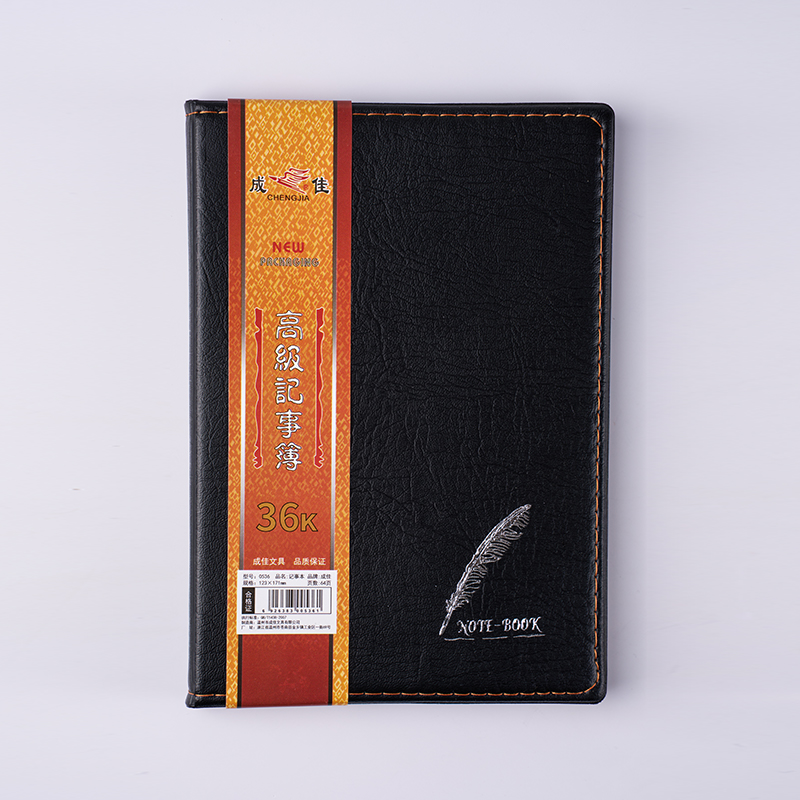
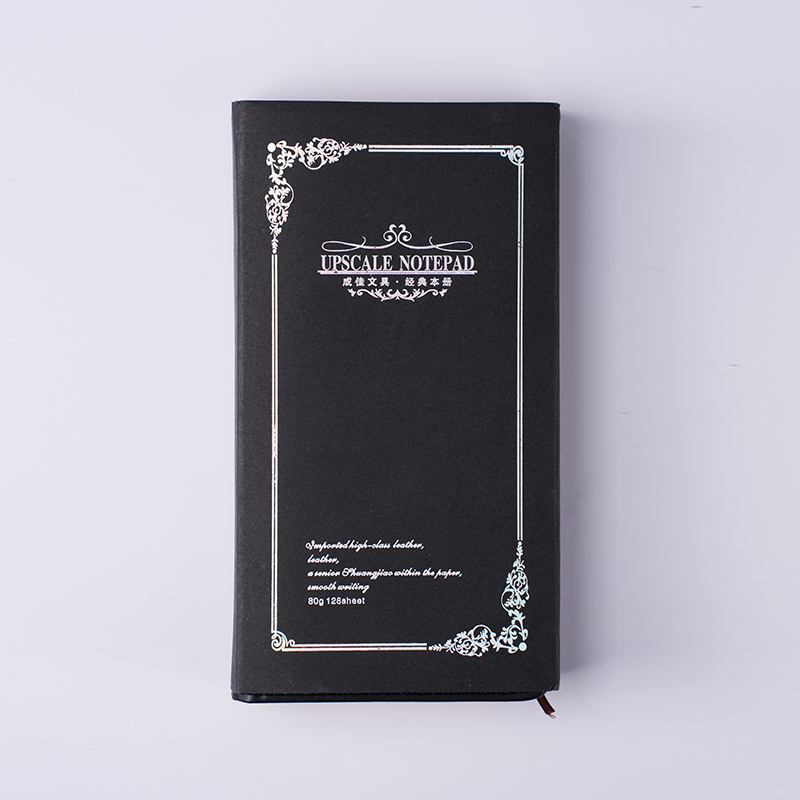
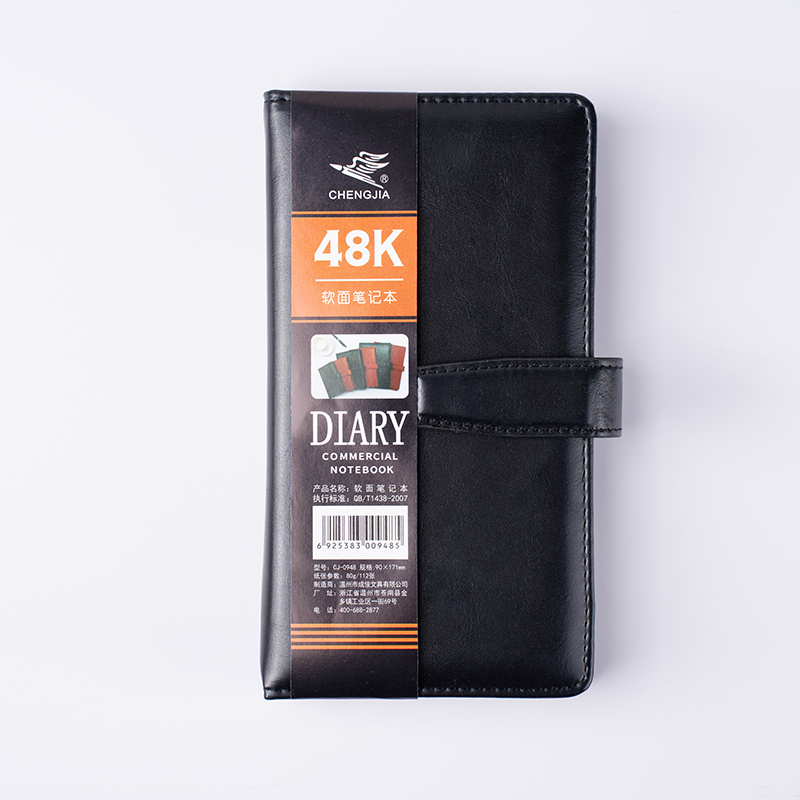
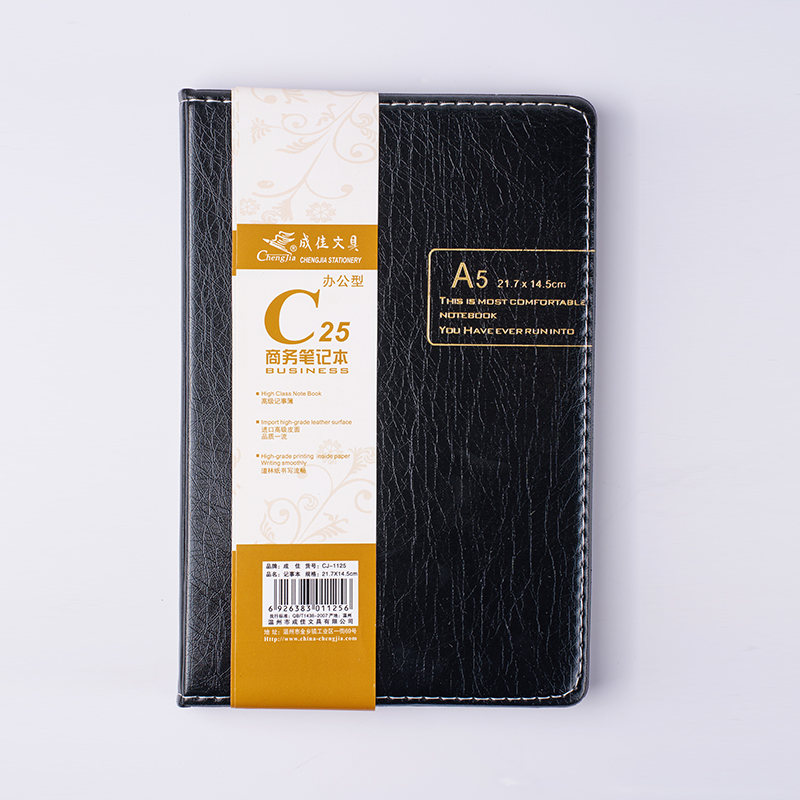
In many office settings, writing tools still stay close to daily work, even when communication moves through screens. People often keep a notebook nearby because it is quicker to open, quicker to write, and does not interrupt the flow of thinking. Among common options, Business Work Notepad and Meeting Record Book are often mentioned together since they appear in similar environments but are used in noticeably different ways.
Wenzhou Chengjia Stationery Co., Ltd. is sometimes referenced in stationery-related discussions when different notebook structures are compared for practical office use.
Even though both are simple paper tools, they are not doing the same job. One follows the way people think moment by moment. The other follows the way information is spoken in group settings.
Understanding The Core Purpose Of Each Notebook Type
Business Work Notepad As A Flexible Writing Tool
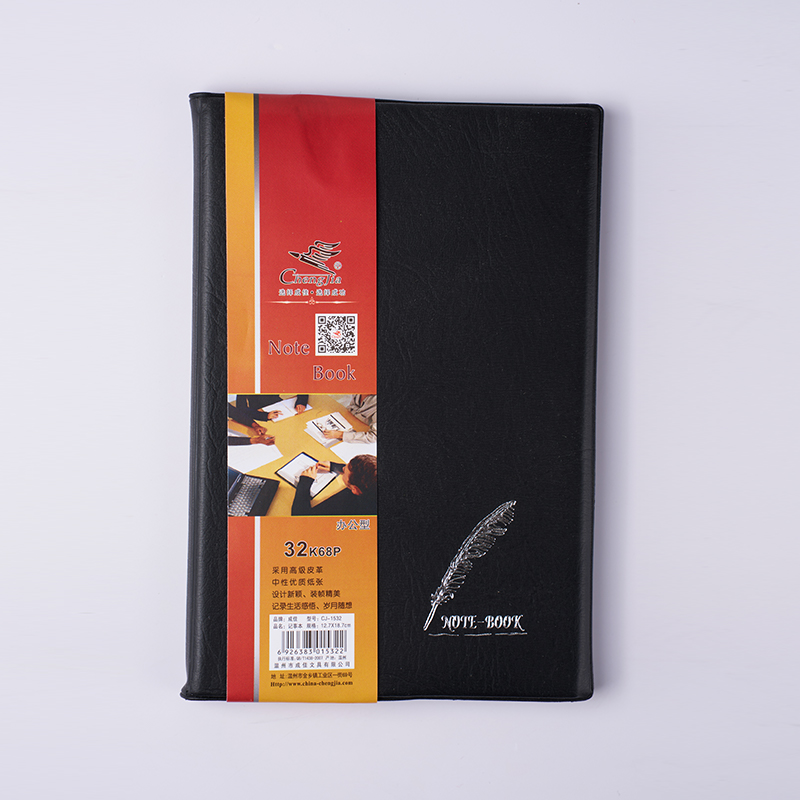
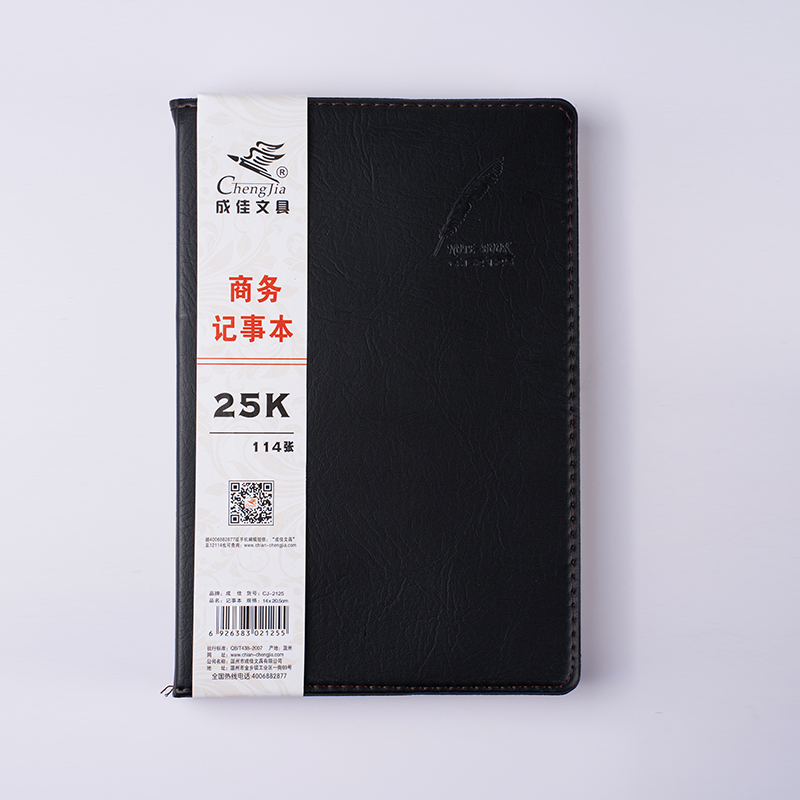
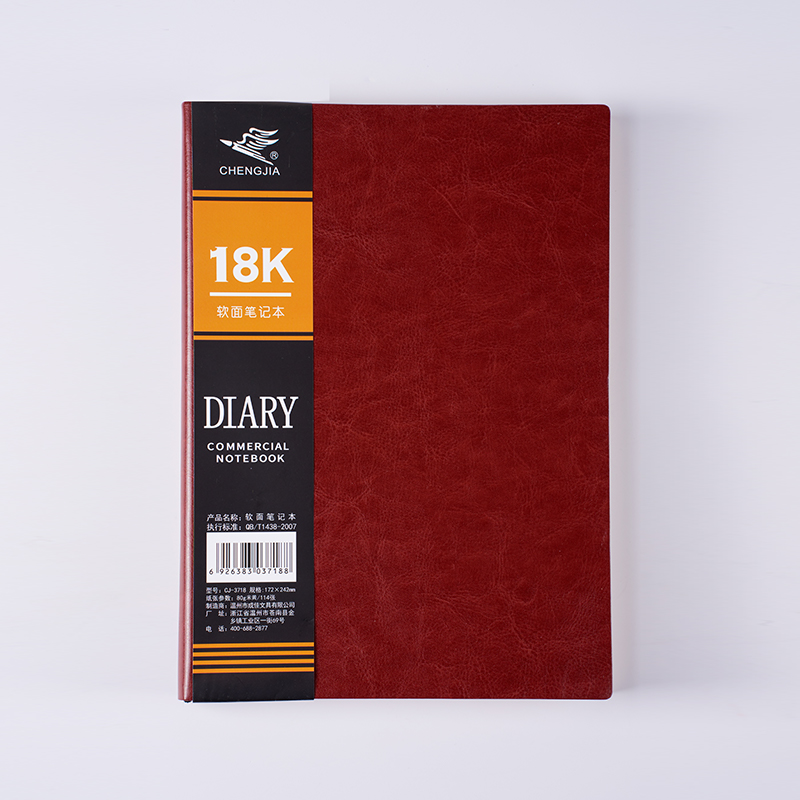
Business Work Notepad is usually the kind of notebook that sits on a desk and gets picked up many times during the day. It is not designed around a strict layout. Instead, it leaves space open so the user can write in whatever way the situation demands.
In real office life, information rarely arrives in a clean structure. It comes as quick messages, short reminders, half-formed ideas, or small updates between tasks. A flexible notebook fits this pattern because it does not require the writer to organize thoughts before writing them down.
Typical use looks like:
- Quick reminders written during interruptions
- Short task notes that may change later
- Ideas that appear while working on something else
- Mixed notes from different conversations
Because of this, pages often look uneven or scattered, but that reflects how work actually happens rather than a lack of order.
Meeting Record Book As A Structured Documentation Tool
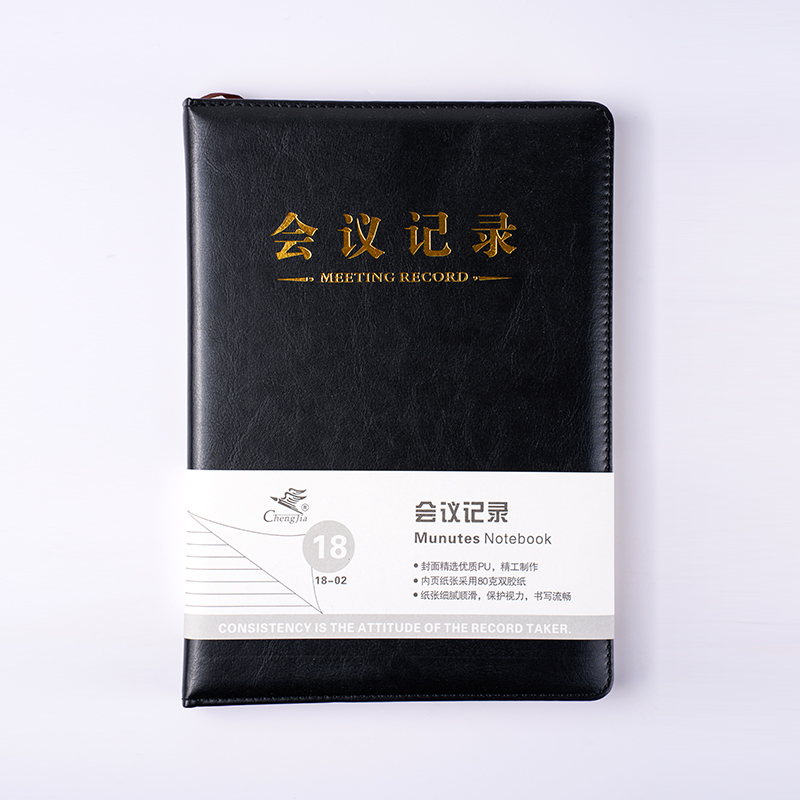
Meeting Record Book works in a different rhythm. It is not mainly for personal thoughts but for capturing what is said in group discussions. The structure of the notebook usually encourages writing in order, following how the meeting moves from one topic to another.
During meetings, people speak one after another, sometimes returning to earlier points. The notebook helps keep that flow in written form so it can be reviewed later without confusion.
Common usage includes:
- Recording discussion points as they happen
- Writing down decisions made during conversation
- Noting who is responsible for follow-up tasks
- Keeping a written trace of what was agreed
The main goal here is clarity, not flexibility.
Differences In Writing Structure And Page Design
Layout Style In Business Work Notepad
The layout of a Business Work Notepad is usually simple and open. There are no strong boundaries telling the user where to start or stop. This makes it easier to jump between topics on the same page.
People often use it in a very personal way. Some keep everything organized, others write wherever there is space. Both approaches are common because the notebook adapts to the user instead of forcing a pattern.
You might see:
- Short lines next to longer paragraphs
- Notes written at different angles of thinking
- Small diagrams or arrows connecting ideas
It behaves more like a thinking space than a formal record.
Layout Style In Meeting Record Book
Meeting Record Book is more controlled in structure. The page design usually encourages writing in sequence. This helps ensure that information is not mixed or lost during fast discussion.
The structure supports a clearer reading experience later, especially when someone needs to understand what happened in a specific meeting without being present.
It typically supports:
- Step-by-step recording of discussion flow
- Clear separation between topics
- Easier review after the meeting ends
This makes it closer to a shared record rather than personal notes.
Differences In Usage Scenarios Across Work Situations
Daily Office Use Of Business Work Notepad
In everyday office work, Business Work Notepad often stays within reach all the time. It is used whenever something needs to be written quickly, without planning or formatting.
It is common in situations like:
- Switching between multiple small tasks
- Receiving sudden instructions
- Capturing ideas during short breaks
The main advantage is speed. There is no setup and no need to structure information before writing.
Formal Communication Use Of Meeting Record Book
Meeting Record Book is usually used in planned communication settings. It may be placed in meeting rooms or carried by someone responsible for recording discussion points.
Its purpose is to make spoken information stable on paper so it can be shared, checked, and referenced later. This helps reduce misunderstandings after discussions end.
Writing Behavior And User Interaction Differences
How Users Interact With Business Work Notepad
Writing in a Business Work Notepad often feels irregular because it follows daily thinking patterns. People may return to the same page many times, adding new points whenever something comes up.
Common behavior includes:
- Writing in different sections of the page
- Adding notes without editing older ones
- Mixing unrelated ideas in one space
It becomes a record of how thoughts appeared during work rather than a finished document.
How Users Interact With Meeting Record Book
With Meeting Record Book, writing is usually more controlled. The writer follows the order of speech and tries to keep information aligned with the conversation flow.
This helps later readers understand the sequence without guessing how the discussion moved from one point to another.
Material And Physical Design Considerations
Design Characteristics Of Business Work Notepad
Business Work Notepad is usually designed for movement and quick access. It is often light, easy to carry, and simple to open at any moment.
Typical features include:
- Flexible binding for frequent use
- Simple page structure for fast writing
- Easy portability between work areas
It is meant to be used often and casually throughout the day.
Design Characteristics Of Meeting Record Book
Meeting Record Book is more focused on stability and long-term reference. It is designed so pages remain organized even after repeated use.
Common features include:
- Structured page layout for clarity
- Strong binding for long-term keeping
- Consistent format across pages
This supports its role as a record that may be checked again later.
Information Flow And Documentation Purpose
Business Work Notepad As Information Capture Tool
Business Work Notepad is mainly a capture space. Information goes in quickly, often before it is fully formed. It does not require immediate structure.
Later, some of these notes may be sorted, expanded, or even discarded. It is more about keeping thoughts from being lost than creating a final record.
Meeting Record Book As Information Storage Tool
Meeting Record Book holds more finalized information. Once something is written, it usually represents a completed discussion point.
It becomes a reference point for future work, especially when checking what was decided or what needs to be done after meetings.
| Aspect | Business Work Notepad | Meeting Record Book |
|---|---|---|
| Writing Style | Flexible, unplanned | Ordered, sequential |
| Main Use | Personal task capture | Group discussion record |
| Information Flow | Fragmented notes | Structured recording |
| Page Behavior | Mixed entries | Topic-based flow |
| Work Role | Thinking support | Communication record |
Role In Workplace Organization Systems
Business Work Notepad usually stays close to individual work habits. It supports small decisions, reminders, and ideas that appear during the day. It does not need to be shared to be useful.
Meeting Record Book, on the other hand, supports group understanding. It helps ensure that what was discussed is not only remembered but also written in a way that others can refer to later.
Together, they reflect two different sides of workplace communication: one is personal and immediate, the other is shared and structured.
Meeting Record Book In Team Workflow
In many team-based working environments, communication does not always stay in people's memory for long. Conversations move quickly, people switch topics, and small details can be missed easily if nothing is written down. This is where a Meeting Record Book quietly plays a stabilizing role in the background of daily collaboration.
A Meeting Record Book is not used for personal thinking or random notes. It is usually placed in situations where several people are speaking, responding, and making decisions in sequence. Its purpose is to keep a written trace of what actually happened during that shared conversation, so that the information does not fade or get interpreted differently later.
In practical team workflows, it often supports a few consistent needs:
- Tracking how discussion points developed during the meeting
- Recording tasks that are assigned to specific people
- Keeping a written link between decisions and follow-up actions
- Helping team members who were absent understand what was discussed
What makes it useful is not complexity, but continuity. Even after the meeting ends, the written record stays in the same order as the conversation, which helps reduce confusion when someone returns to it later. Over time, it becomes a quiet reference point that teams rely on when checking responsibilities or reviewing earlier discussions.
Long Term Use Patterns And Practical Observations
How Business Work Notepad Evolves With Use
A Business Work Notepad usually does not stay organized in a strict way over time, and that is often expected. Its structure gradually forms based on how the user works rather than how the pages are designed.
At the beginning, it may look relatively clean, with separate notes for tasks or ideas. But as work continues, different types of information start to appear together on the same pages. A single page might include a reminder for later, a quick reaction to a conversation, and a rough outline of a task that is still developing.
This mixed pattern is not a problem in its use case. In fact, it reflects how real working thoughts behave:
- Some notes are temporary and only needed for a short time
- Some ideas are incomplete and return later for revision
- Some reminders sit next to unrelated tasks because timing matters more than category
As days pass, the notebook becomes a kind of working trace. It shows how tasks were handled step by step rather than presenting information in a polished order. People often flip through it not to read it like a document, but to recall what they were thinking at a specific moment.
The structure depends heavily on the user's habits. One person may group tasks carefully, while another writes wherever there is space. Both approaches naturally shape how the notebook evolves.
How Meeting Record Book Evolves With Use
A Meeting Record Book behaves differently over time. Instead of changing based on mood or situation, it tends to maintain a steady structure from page to page. Each entry usually follows a similar layout, which creates a sense of continuity when reviewing older records.
As meetings continue over weeks or months, the notebook starts to reflect a repeated pattern of communication. Even though topics change, the format stays familiar: discussion points, decisions, responsibilities, and notes arranged in a consistent flow.
This consistency makes it easier to look back and compare different meetings without needing to adjust to new formats each time. When someone revisits older pages, they can quickly locate where a decision was recorded or how a task was assigned.
Over time, the Meeting Record Book becomes more than just a set of notes. It turns into a structured archive of how communication developed inside a working environment. It shows how ideas moved from discussion to decision, and how responsibilities were distributed across different moments of teamwork.
Unlike a Business Work Notepad, which often feels personal and scattered, this type of record keeps a steady rhythm. That rhythm helps teams stay aligned even when discussions happened long ago or when multiple people need to reference the same information.