English
 русский
 Español
Content
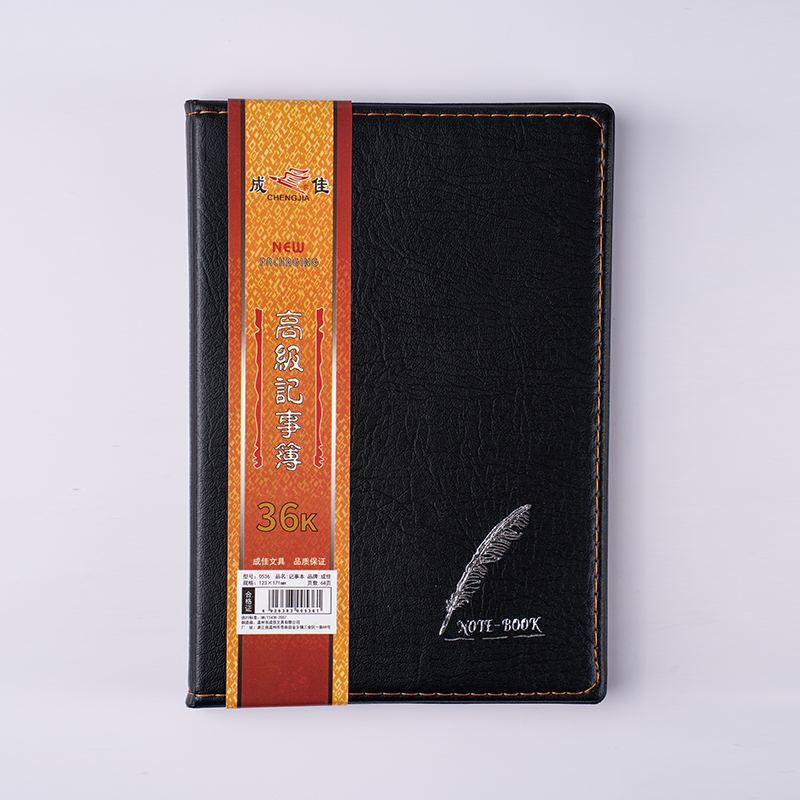
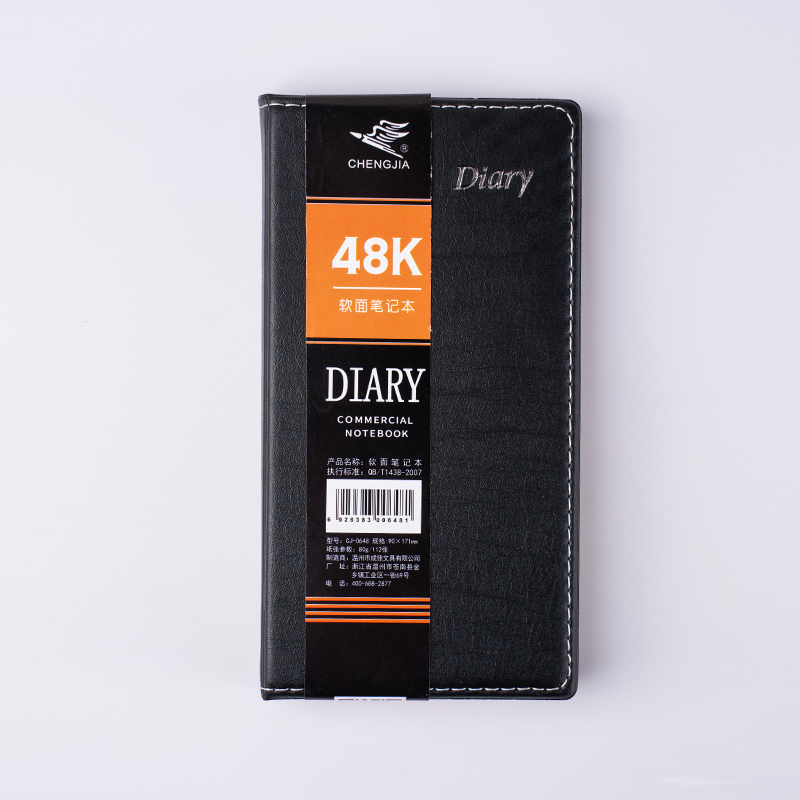
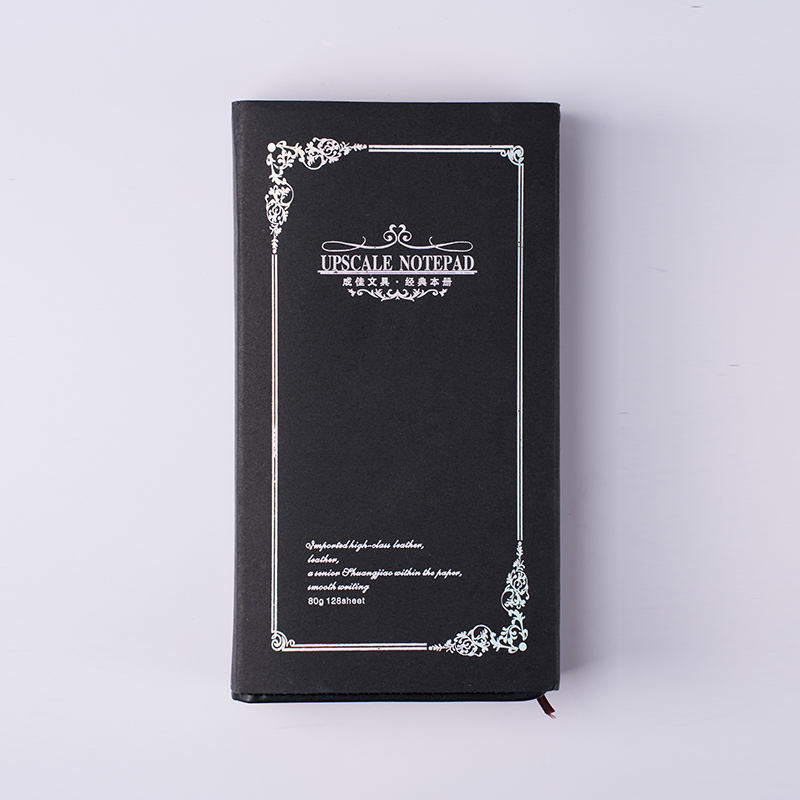
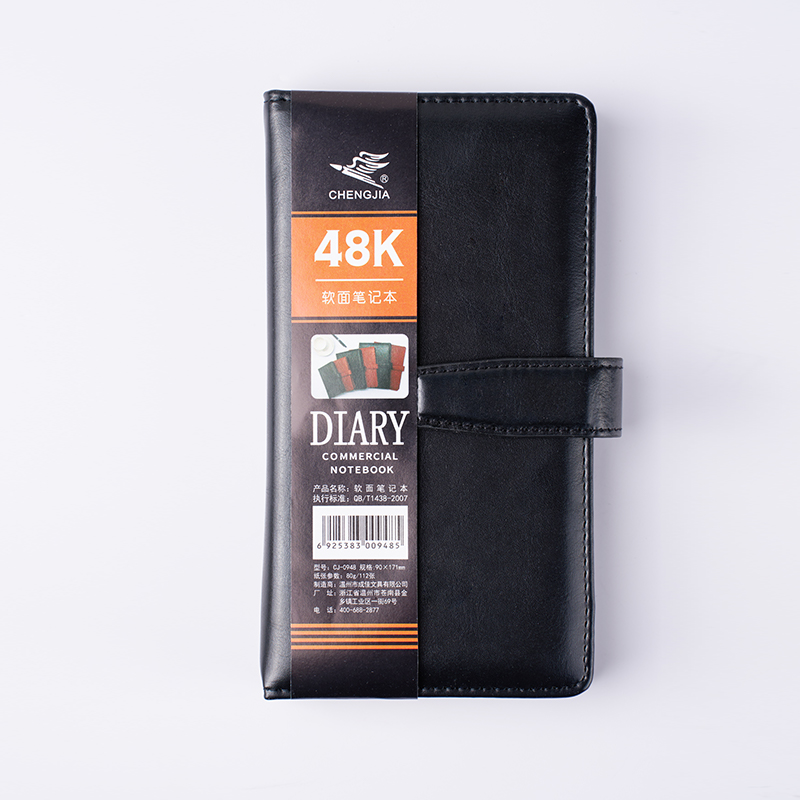
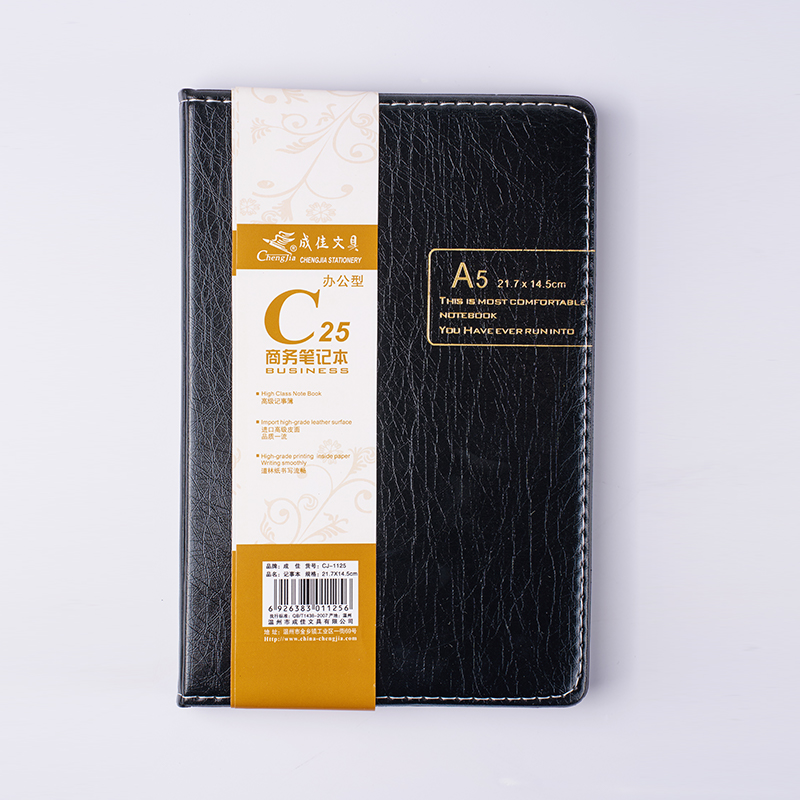
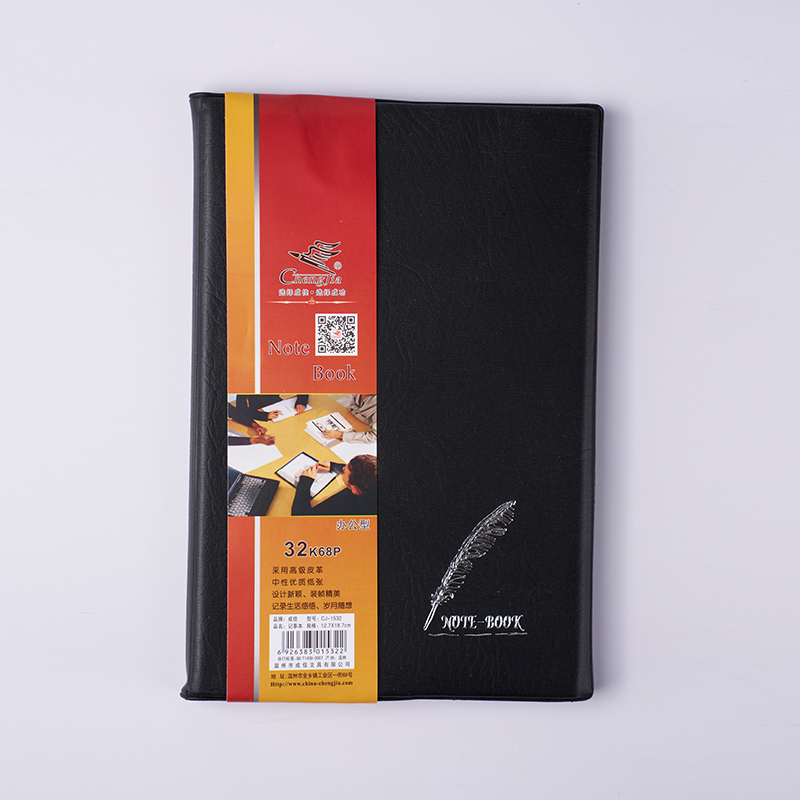
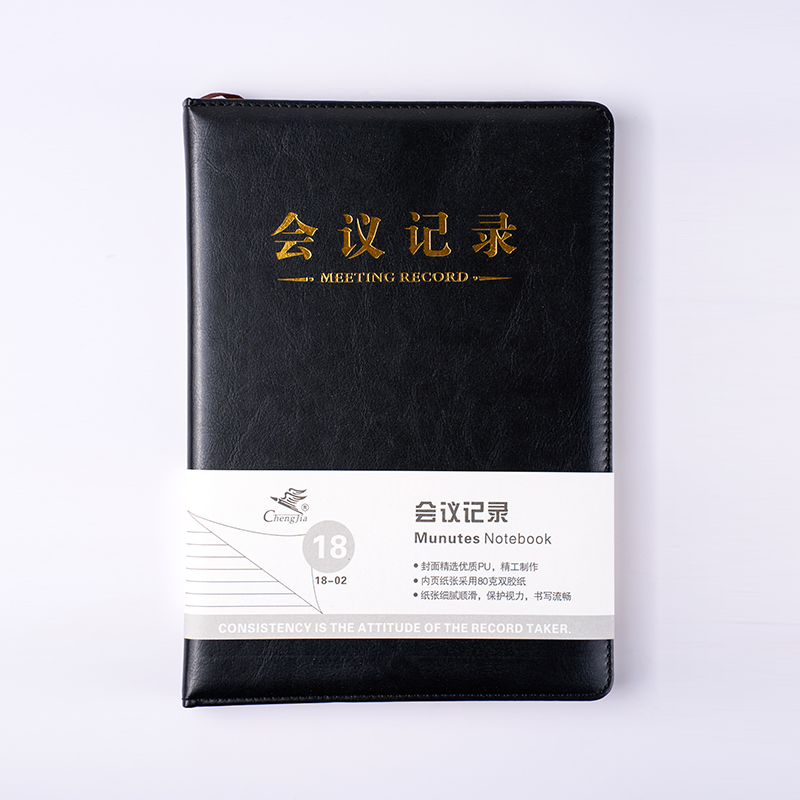
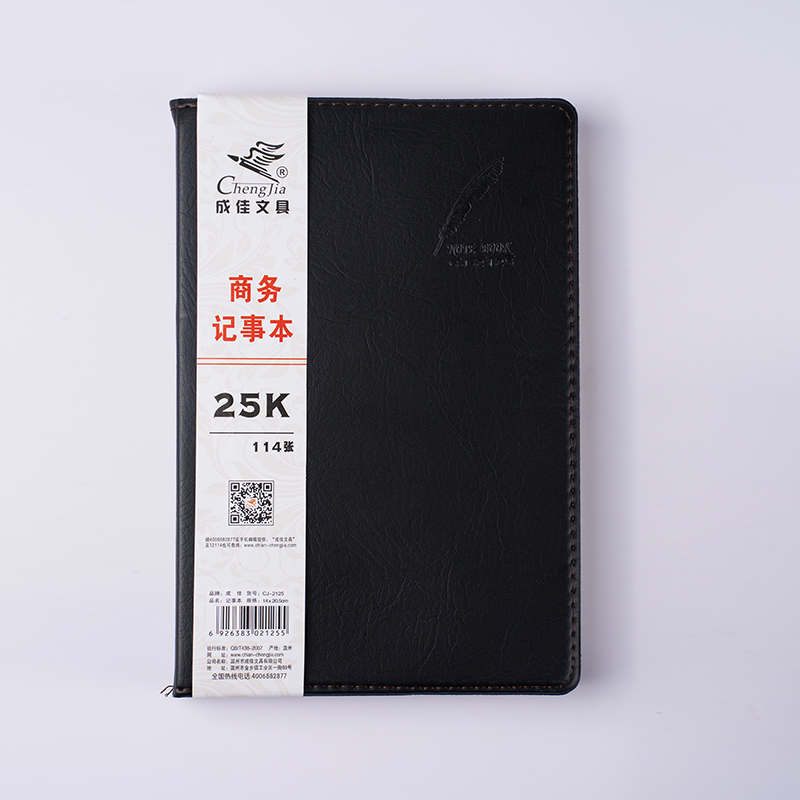
A business work notepad is a stack of paper glued at the top edge, backed with chipboard, sized to sit beside a keyboard. The office orders it by the case. Nobody thinks about it until it runs out. That is the product. It is consumed, replaced, and consumed again.
The Glue Has Two Jobs and Only One of Them Is Holding
The adhesive strip along the top edge holds the block together. That is the obvious job. The second job is letting go. Every sheet has to peel clean without tearing and without lifting the sheets below it. A glue that grips too hard tears the paper. A glue that grips too soft drops sheets from the bottom of the pad.
The factory formulates the adhesive for the paper weight. A 60 gsm pad and an 80 gsm pad do not use the same glue. The wrong match shows up as a ragged top edge or a pad that sheds sheets in the briefcase.
The Backing Board Is What Makes It Portable
Without the chipboard, the pad is a stack of loose paper. The board gives it the stiffness to be held in one hand while writing with the other. It also keeps the sheets flat as the pad empties. A pad that curls at the corners is a pad that gets set aside for the next one.
Sixty Grams or Eighty, and Why the Office Notices
The paper weight decides how the pad writes. Light paper bleeds through with a gel pen. Heavy paper costs more and makes a thicker pad. The office that writes with ballpoints can run the lighter stock. The office that uses markers needs the heavier sheet.
The ruling matters as much as the weight. Lined for the meeting notes. Grid for the planning. Blank for the freeform. The factory that runs all three on the same line covers more of the catalog without adding a second production setup.
Here is what the pad has to deliver:
- Adhesive matched to the paper weight
- Chipboard backing that holds the pad flat
- Paper weight suited to the writing instrument
- Ruling options across the same line
- Clean trim on all four edges
- Sheet counts that match the reorder cycle
The Order Comes in Cases
The office does not buy one pad. It buys a case. The pad count per case and the sheet count per pad decide how long the case lasts. The factory that offers the standard counts and the multi-packs makes the reorder simple.
The Brand on the Top Sheet
Hotels, banks, and corporate offices print their logo on the top edge or the first sheet. The pad becomes a small branded item that the customer uses every day. The factory that handles the print without slowing the line serves the branded market.
The Pad That Sheds Sheets
A pad that drops sheets from the bottom has a glue problem. A pad that tears at the top has a glue problem too, in the other direction. The curl at the corner is a backing problem. The bleed-through is a paper problem. None of them are visible in a sample that was hand-assembled.
A business work notepad is consumed and replaced without anyone thinking about it. The glue holds. The paper takes the pen. The backing keeps it flat. Choose a factory that matches all three.