English
 русский
 Español
Content
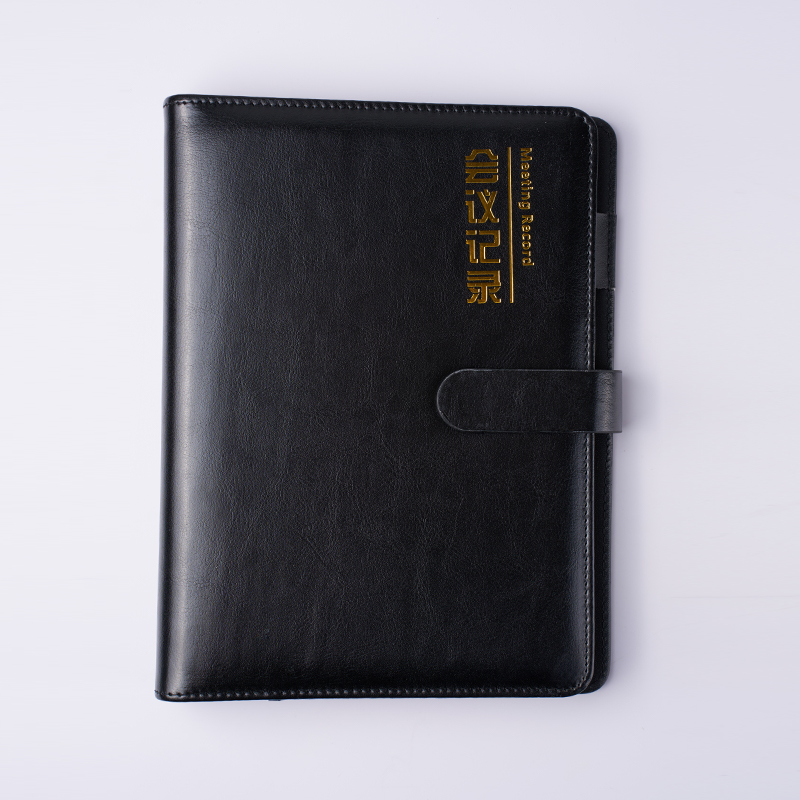
Walk into any stationery store and you'll see rows of notebooks. Same size. Same paper. Same binding. Pick one up and you're stuck with whatever the factory decided was best. A handmade loose-leaf notebook takes a different approach. The cover is separate from the paper. You choose what goes inside. When you fill it up, you don't throw it away—you just replace the pages. It's built for people who don't fit the standard template.
Why Loose-Leaf Design Works Better
You Can Mix Different Paper Types in One Notebook
Some days you need lined pages. Other days you need blank space for sketches. A handmade loose-leaf notebook lets you use different papers in the same book. Put writing paper next to watercolor paper next to dot grid. Whatever works for whatever you're doing that day. No flipping between separate notebooks for different tasks.
The Ability to Reorganize Pages at Any Time
Glued notebooks have a fixed order. You can't move a section forward or pull out a page you messed up. A loose-leaf notebook lets you add, remove, and shift pages around. Reorganize as your project changes. No tearing pages out, no sticky notes marking where things used to be.
Only the Used Pages Get Replaced
Most notebooks get thrown away when one section is full, even if half the pages are still blank. That's wasteful. A loose-leaf notebook keeps the cover and binding. You swap out finished pages and keep going. Same notebook, new paper. Less waste, less clutter.
What Goes into a Handmade Loose-Leaf Notebook
The Cover Is Built to Last Through Multiple Refills
Covers are made from leather, fabric, wood, or cork. A handmade loose-leaf notebook uses materials that hold up to daily use. The cover doesn't fall apart after a few months. It stays intact through multiple refills. Carry it around, drop it, shove it in a bag—it holds up.
The Binding Mechanism Allows Page Changes Without Damage
Screw posts, rings, or elastic cords hold the pages together. A handmade loose-leaf notebook uses binding you can open and close without wrecking the paper. Need to add a section? Open it. Want to remove a few pages? Close it back up. No tools required, no permanent damage to the paper.
Paper Refills Are Available in Multiple Formats
Blank, ruled, grid, dot grid, watercolor, sketch. A handmade loose-leaf notebook offers different paper types for different tasks. You're not forced into one format. Writers choose ruled pages. Artists choose blank or watercolor paper. Bullet journalists choose dot grid. The selection fits the user, not the other way around.
Common specs for loose-leaf notebooks:
- Sizes: A4, A5, A6
- Cover materials: leather, fabric, wood, cork
- Binding types: screw posts, rings, elastic cords
- Paper options: blank, ruled, dot grid, watercolor, sketch
- Refills: available for every paper type
- Customization: embossing, engraving, stamps
Where Handmade Loose-Leaf Notebooks Are Used
Bullet Journaling and Planning Systems
Bullet journalers change layouts constantly. Monthly spreads. Weekly logs. Collections. A loose-leaf notebook lets you add pages when you need them and remove ones that aren't working. No starting over from scratch when a spread doesn't work out.
Art Studios and Sketchbooks
Artists work with multiple media. A handmade loose-leaf notebook combines different paper stocks in one binding. Watercolor on one page, pencil on the next. The artist carries one book instead of several. No flipping between separate sketchbooks for different materials.
Writing and Creative Projects
Writers often manage multiple manuscripts simultaneously. A handmade loose-leaf notebook separates projects into different sections. Pages are moved as drafts evolve. Archive finished sections without carrying everything with you. The writing stays organized and portable.
Academic and Professional Note-Taking
Students and professionals take notes across different subjects. A handmade loose-leaf notebook keeps each topic in its own section. Sections are reordered for review. Replace notes when you're done with them. The system adapts to the semester or the project.
What to Look for in a Loose-Leaf Notebook
Binding Hardware That Matches Your Usage Habits
Screw posts hold up the best. Rings can bend if you're rough with them. Elastic cords are convenient but don't hold as many pages. A handmade loose-leaf notebook should use hardware that matches how you actually treat your stuff. Screw posts for durability, rings for speed, elastic for portability.
Refill Availability for Standard or Custom Sizes
If the notebook uses a standard size like A5, refills are everywhere. If it's a custom size, you're locked into one supplier. A handmade loose-leaf notebook should use standard sizes unless you have a specific reason not to. Check that refills are actually available before you buy the cover.
Cover Style That Fits Your Environment
Soft covers work for desk use. Rigid covers protect pages during travel. A handmade loose-leaf notebook with the right cover for your lifestyle will last longer and serve you better. Think about where it'll spend most of its time before choosing.
Price Relative to Longevity
Handmade costs more than mass-produced. That's just the reality. A handmade loose-leaf notebook is an investment in something that lasts years instead of months. Better materials, more options, a better experience. Worth it if you use it daily. Not worth it if you don't.
A handmade loose-leaf notebook isn't for everyone. Some people just need something cheap to scribble in. But if you've ever looked at a shelf full of notebooks and thought "none of these work for me"—this is the alternative. You pick the cover, the paper, the binding. You swap out pages when you're done. Same notebook, over and over. It's not complicated. It just takes a few minutes to set up, and then it lasts.