English
 русский
 Español
Content
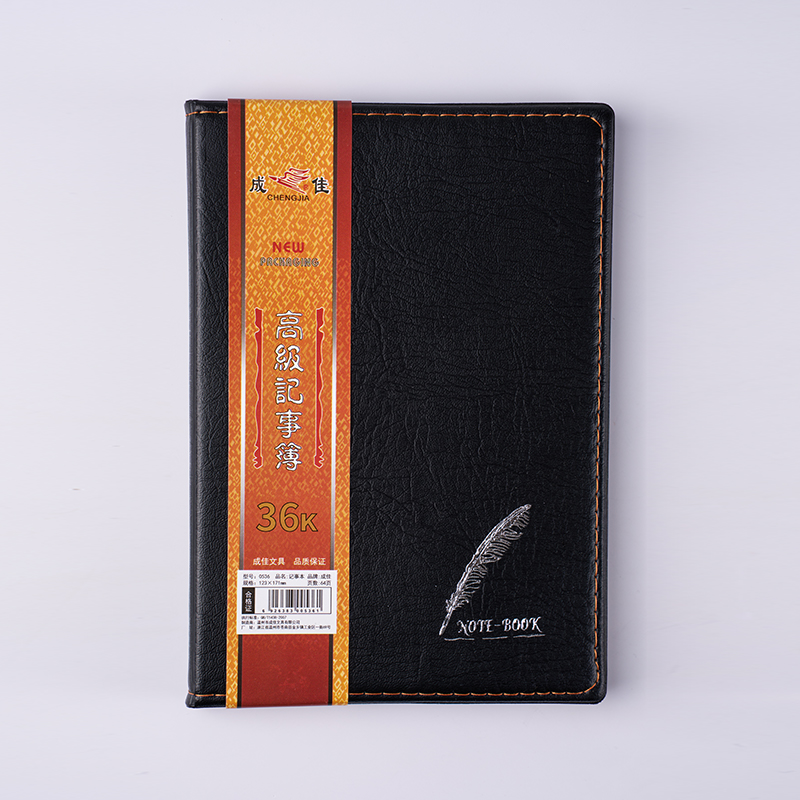
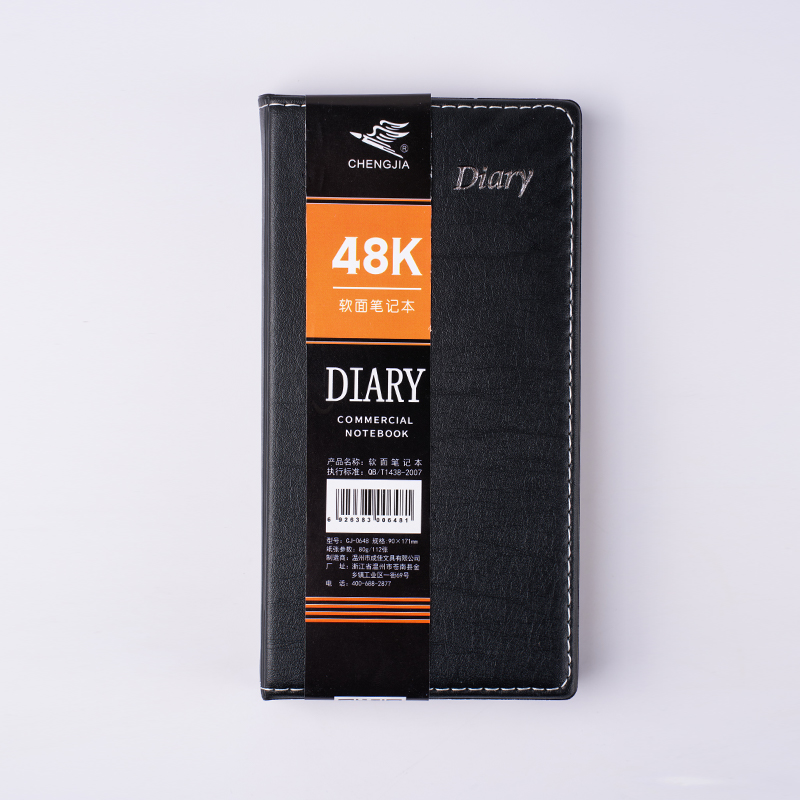
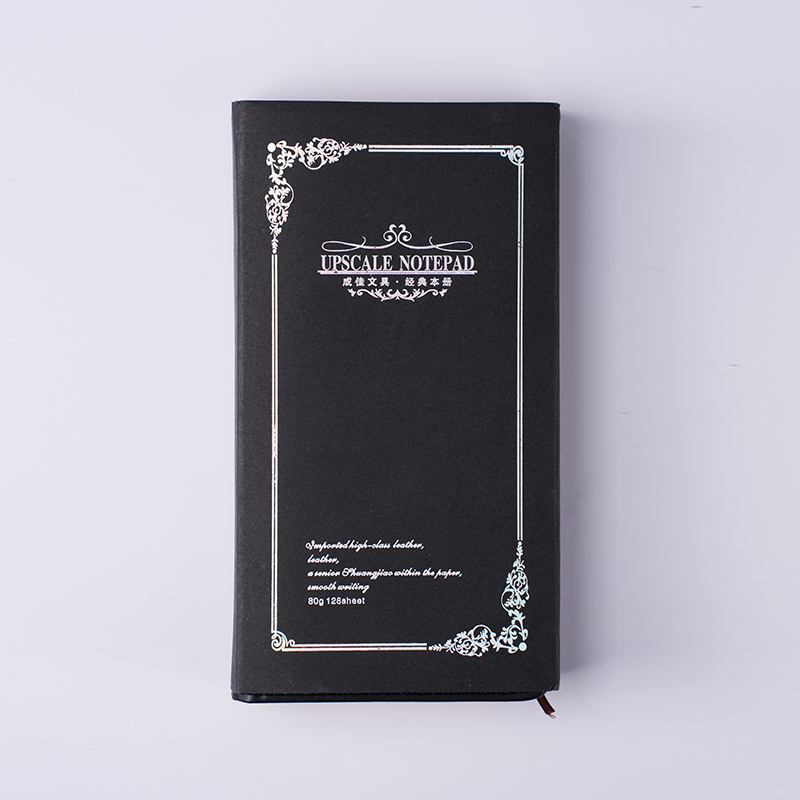
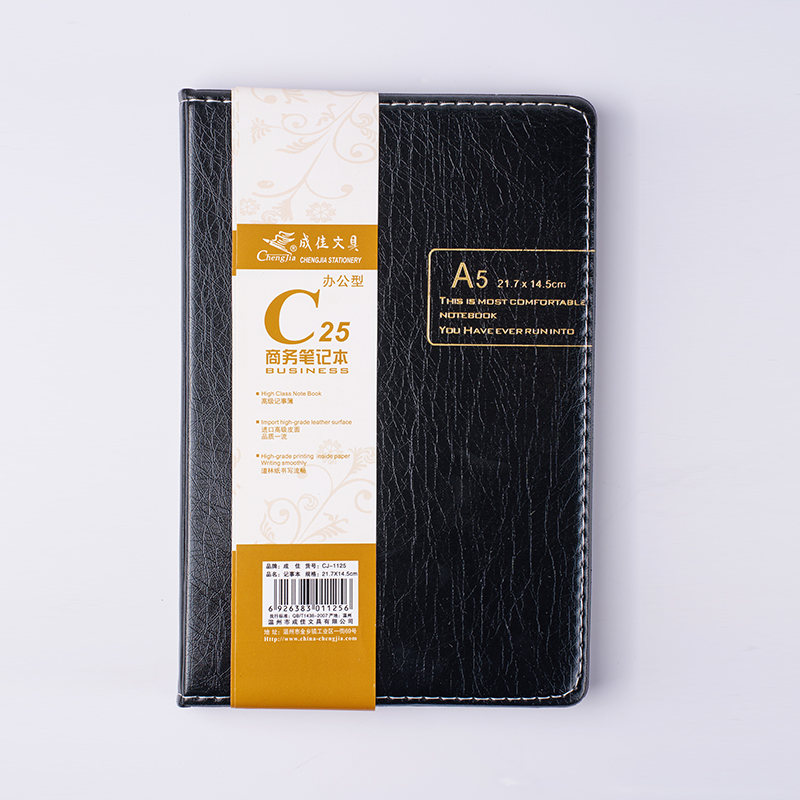
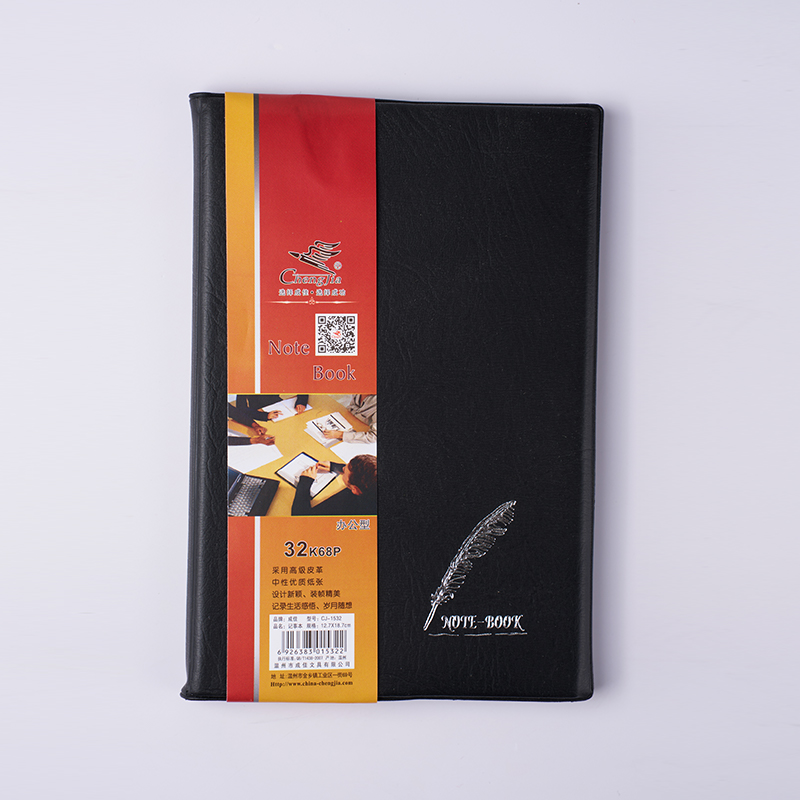
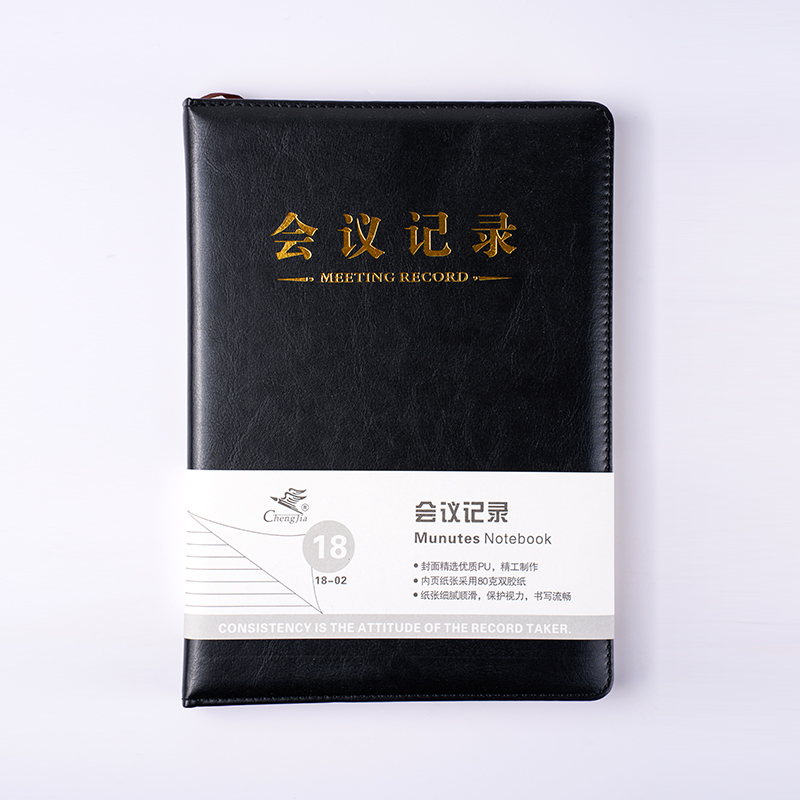
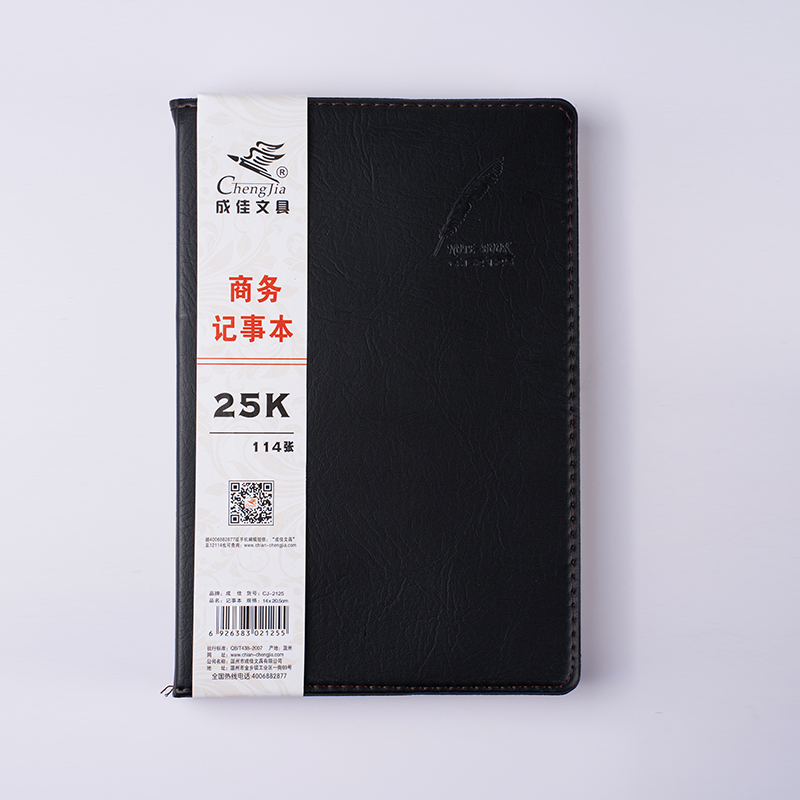
Some notebooks just don't travel well. Soft covers curl. Pages get bent. The whole thing looks trashed after a week in a bag. A portable hard cover notebook solves that. The rigid cover protects the pages, so your notes stay clean and flat. It's small enough to carry anywhere but tough enough to survive daily use.
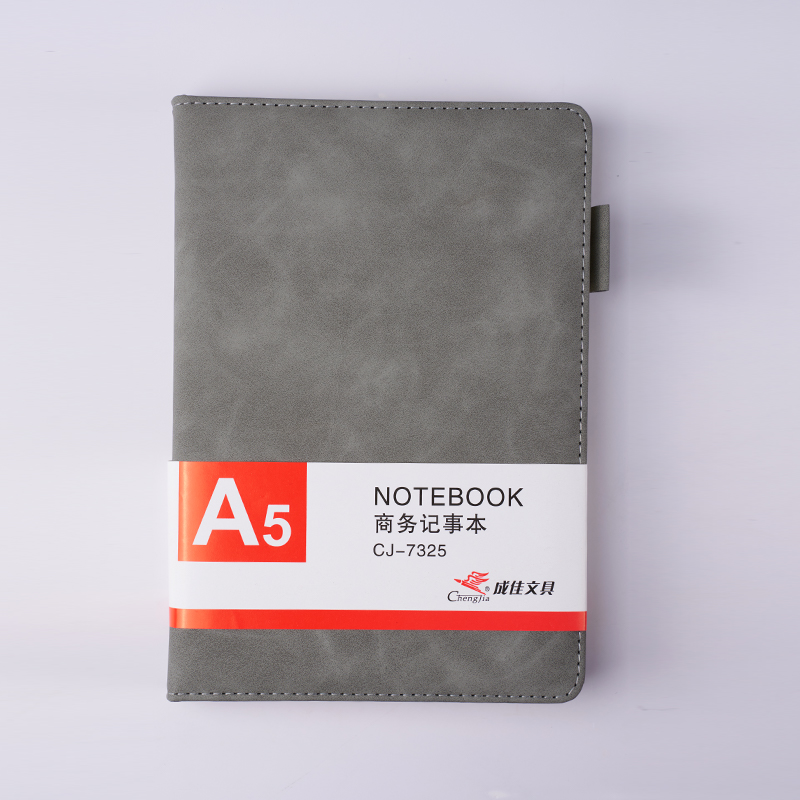
Why Hard Cover Makes Sense for Portability
The cover protects pages from bending and damage
Soft covers fold. Corners curl. Pages get creased. A portable hard cover notebook has a rigid front and back that shields the paper. You can throw it in a bag with other things and the pages stay flat. The cover takes the abuse, not your writing.
The notebook stays open on its own
Flappy covers are annoying. You're trying to write and the cover keeps flopping shut. A hard cover notebook stays put. You set it down, open it, and it stays open. One less thing to fight while you're working.
The size is made for carrying
Nobody wants to haul an A4 brick around. A portable hard cover notebook is A6 or pocket-sized. Fits in a jacket pocket, a small bag, or even your back pocket. Not too heavy. Not too thick. Just right for grabbing when you head out.
What Makes a Portable Hard Cover Notebook Work
The cover material
Cardboard. Chipboard. Sometimes wrapped in fabric or paper. A portable hard cover notebook uses thick cover stock that doesn't bend easily. The material isn't fancy, but it does the job—protecting pages without adding weight.
The binding
Smyth-sewn or case binding. A portable hard cover notebook typically uses sewn binding that lays flat and holds pages securely. Glue-bound hard covers exist, but they're cheap and they break. Sewn binding is where you want to be.
The elastic closure
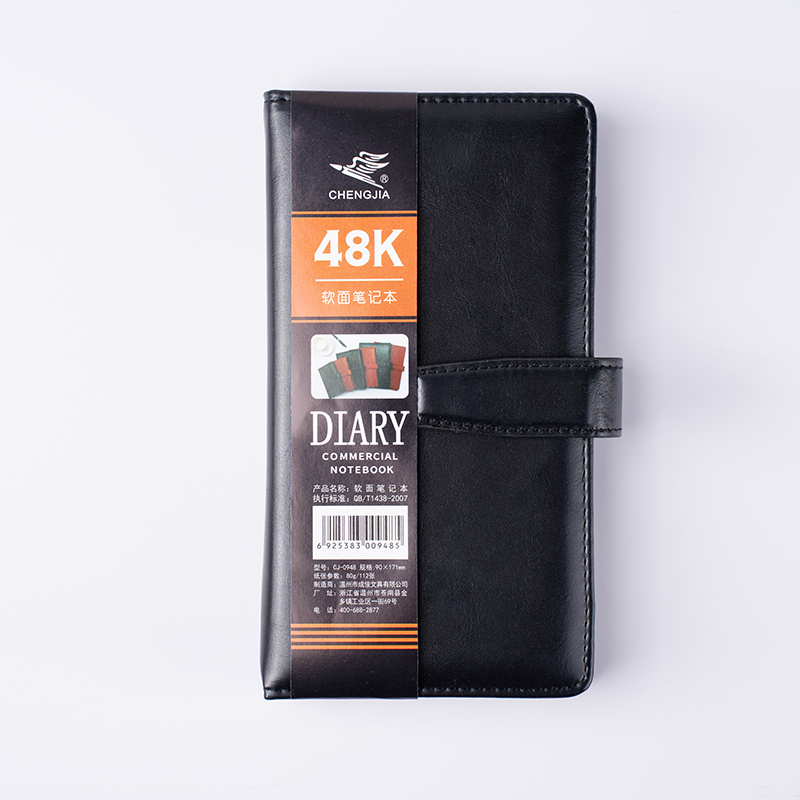
Most portable hard covers come with an elastic strap. Holds the notebook closed when it's in your bag. Keeps pages from opening and catching on things. Simple but useful.
Common specs for this category:
- Size: A6, A5, pocket (3.5" x 5.5")
- Cover material: cardboard, chipboard, wrapped fabric
- Binding: sewn or case-bound
- Paper weight: 80gsm to 100gsm
- Pages: 80 to 200
- Closure: elastic band, ribbon, or none
- Paper ruling: lined, blank, dot grid, or plain
Where Portable Hard Cover Notebooks Go
Everyday carry
You need a notebook on you at all times. Not for long writing sessions—just for jotting things down. Ideas, phone numbers, quick sketches. A portable hard cover notebook sits in your bag or pocket, ready when you need it.
Field work
Contractors, inspectors, and field workers take notes on site. A portable hard cover notebook survives being pulled out of toolboxes, set down on dirty surfaces, and stuffed back into pockets. Soft covers wouldn't last a week.
Everyday carry
Meetings, lectures, quick notes—that's what this notebook is for. It's a tool for capturing things fast. Not a journal for long writing. Not a sketchbook for elaborate drawings. Just a solid, simple notebook for capturing things fast.
What to Think About Before Buying
Size
This is the main thing. Some people want a pocket notebook—small enough to fit in a back pocket. Others want something like an A5 for more writing space. Think about where you'll carry it before you pick a size.
Paper ruling
Lined is fine for most. Dot grid is better for bullet journals. Blank pages are good for quick sketches and notes. Pick the ruling that matches how you write.
Page count
Thick notebooks are heavy. Thin ones run out fast. 100 pages is a good balance for most people. If you write a lot, get something thicker.
Cover thickness
Some hardcovers are rigid but thin. Others are thick and heavy. If you need something that fits in a pocket, lean toward the thinner hardcover. If you're carrying it in a bag, thickness isn't as big of a deal.
A portable hard cover notebook is a simple tool, but it's one of those things that once you start carrying it, you wonder how you managed without it. The hard cover protects your pages, keeps the notebook looking decent, and gives you a solid surface to write on anywhere.