English
 русский
 Español
Content
A notebook that falls apart after a few weeks is useless. Pages tear out. Covers bend. Spines crack. A hard cover notebook is built differently. It protects the pages. It stays intact. It lasts. Here is what makes a good one and why people keep coming back to them.
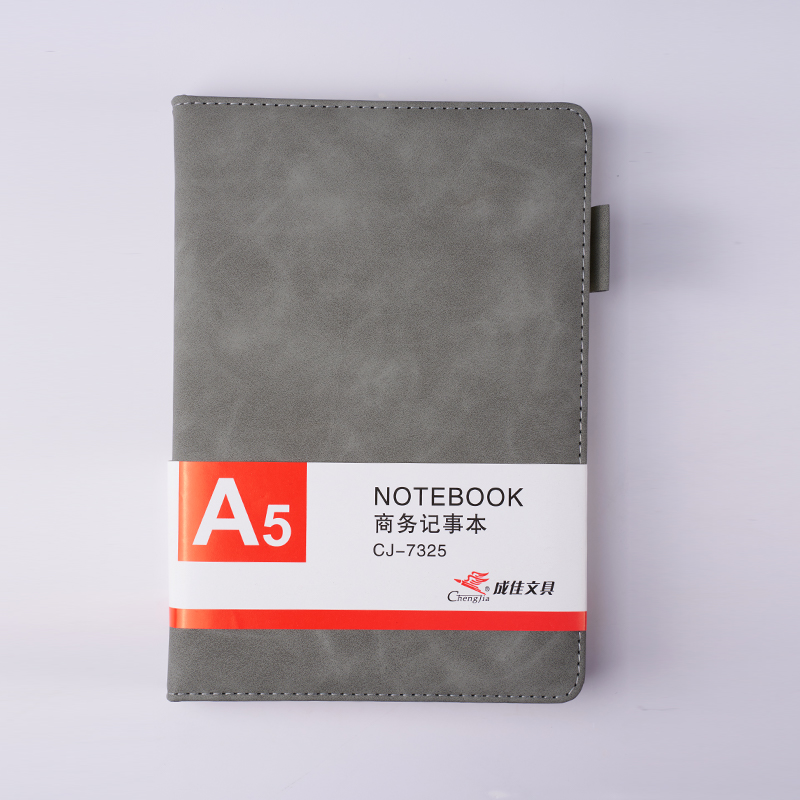
What Makes a Hard Cover Notebook Different
The cover is rigid and protective
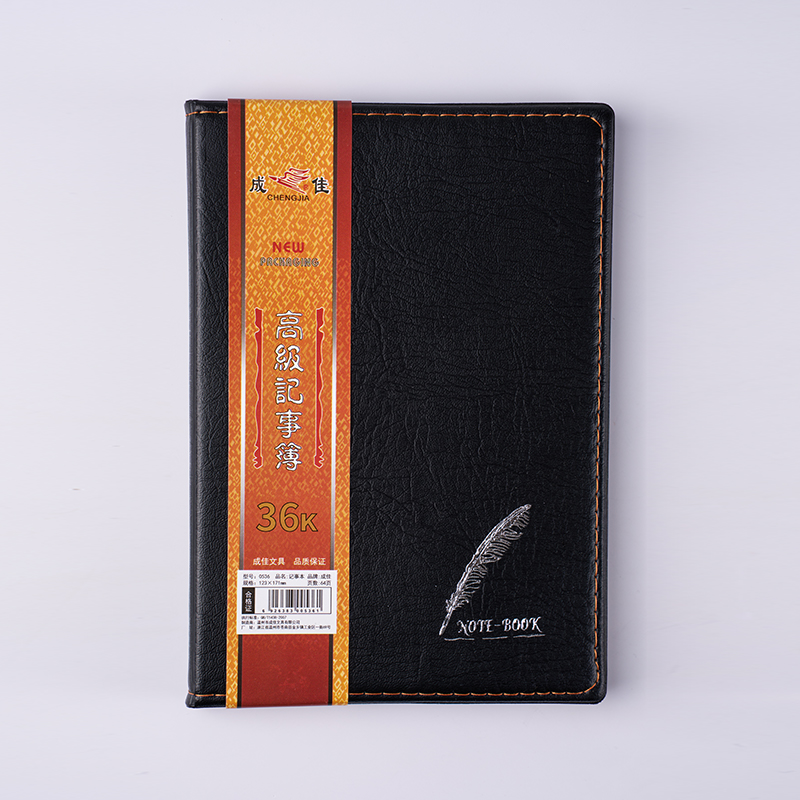
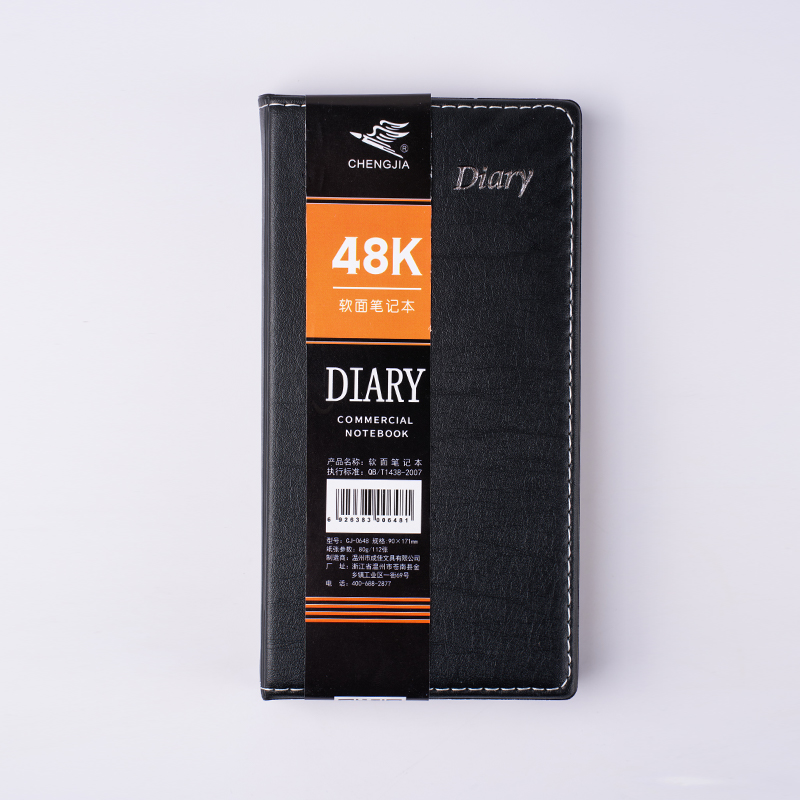
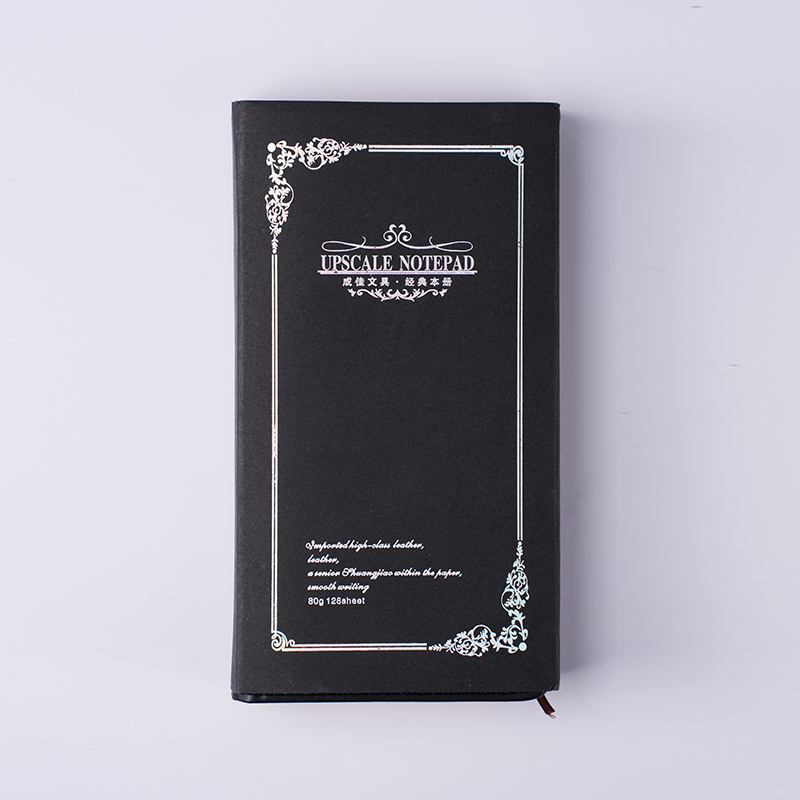
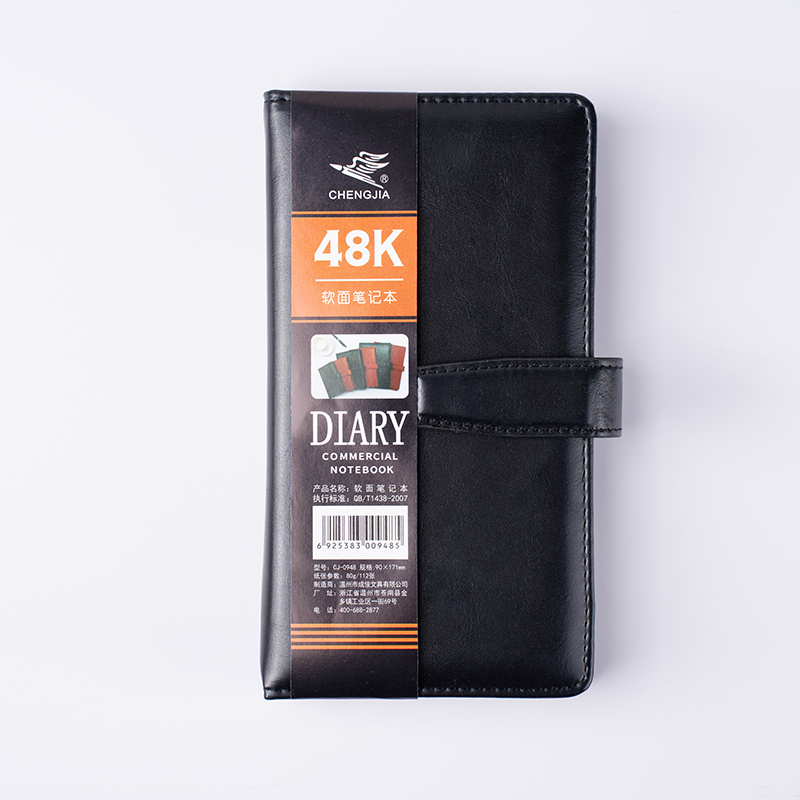
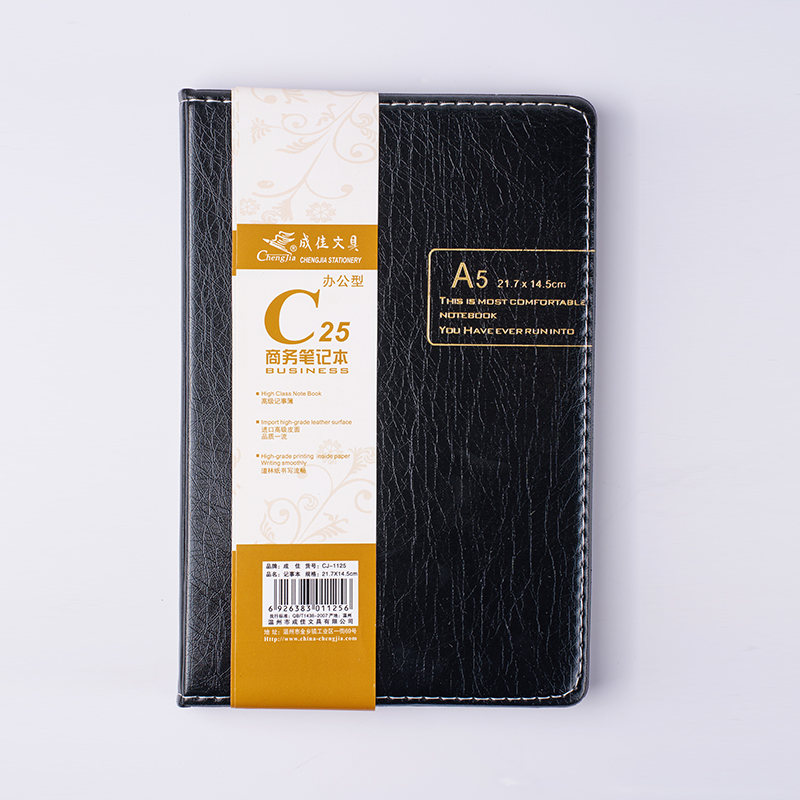
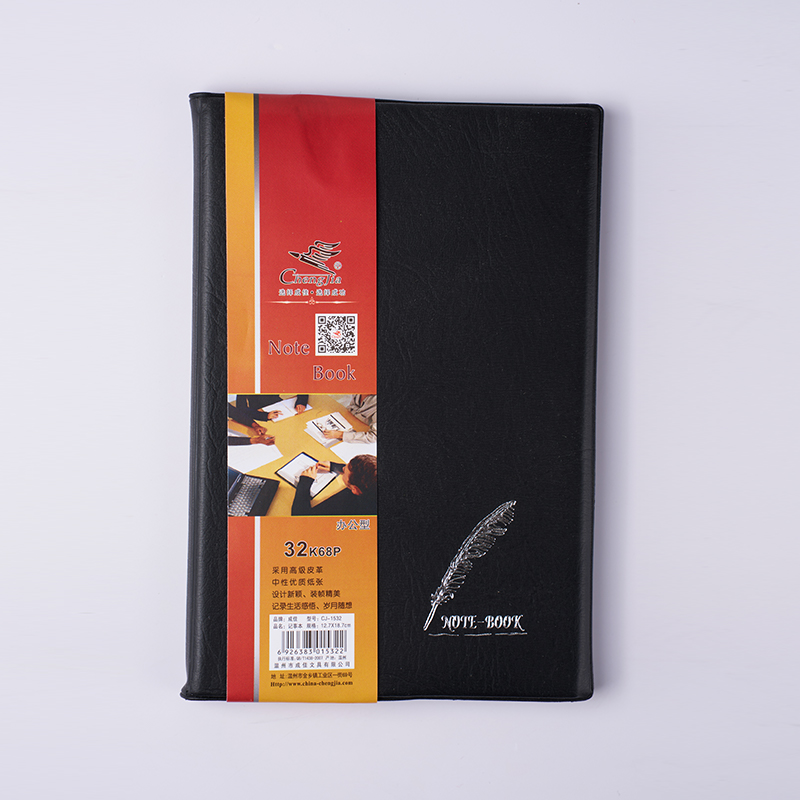
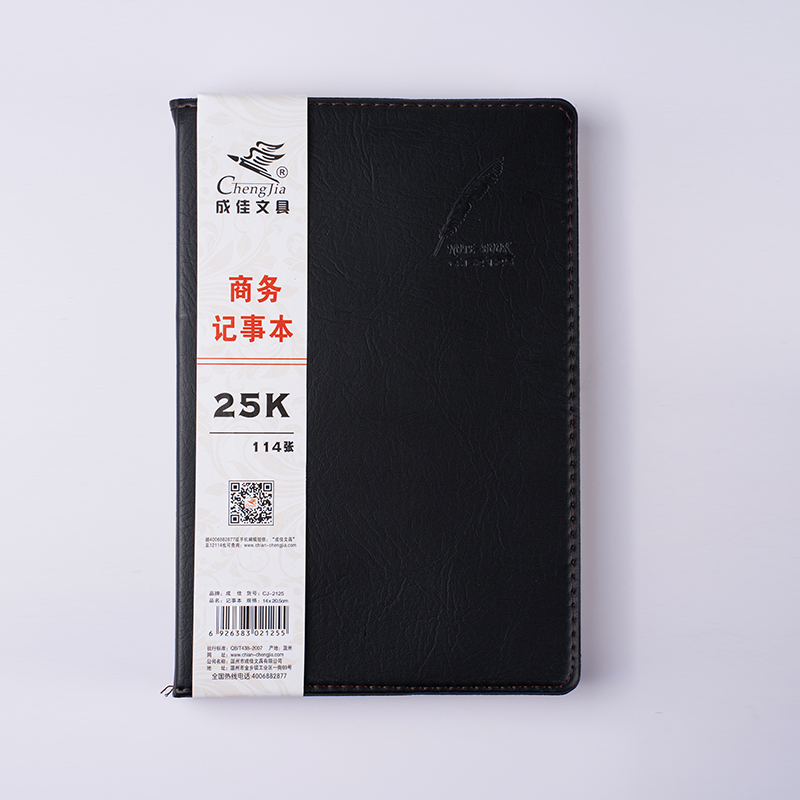
The cover is made of thick board, usually wrapped in paper, cloth, or polyurethane. A hard cover notebook takes abuse. You toss it in a bag. You stack books on top of it. The cover protects the pages.
The cover extends past the pages. That overlap takes the hit when the notebook is dropped. The pages stay clean. The corners do not bend. A soft cover notebook does not have that protection. Drop it on concrete, and the pages curl. The cover bends. The notebook looks worn after a week.
The binding is stronger than a soft cover
A hard cover notebook uses sewn binding or a strong glued binding. The pages lay flat. The spine does not crack. A hard cover notebook with sewn binding lasts for years. Soft cover notebooks with glued binding crack at the spine. Pages fall out. The notebook is useless.
Where Hard Cover Notebooks Get Used
Professional settings
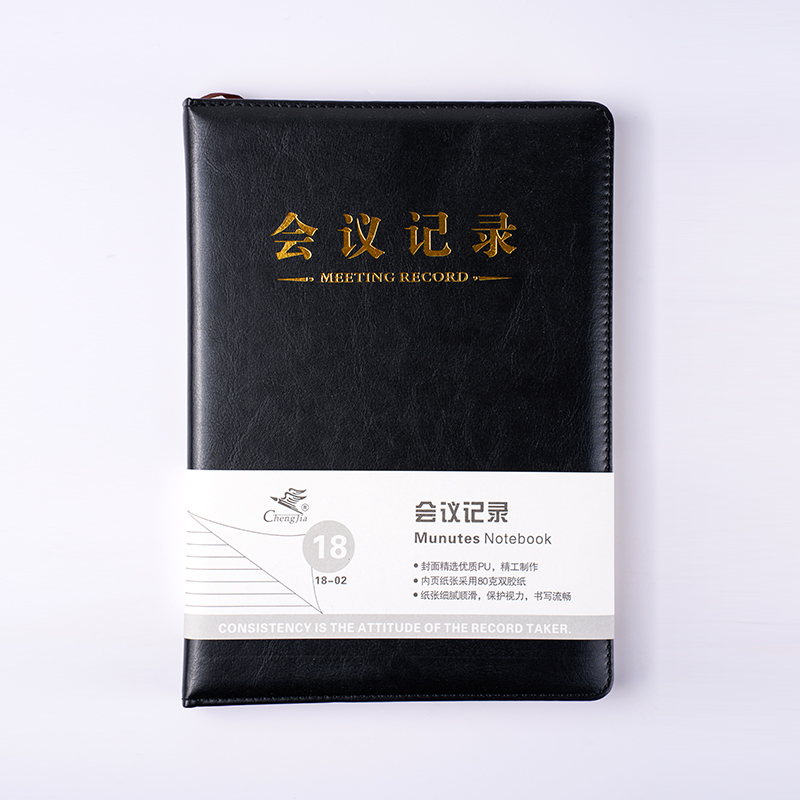
Meetings. Conferences. Client presentations. A hard cover notebook looks professional. It sits on a conference table. It does not look cheap. People notice. It says you are serious about your work.
Students and academics
A student carries a notebook all day. Textbooks in the bag. A laptop. A water bottle. A hard cover notebook survives the jostling. The cover does not bend. The pages stay clean.
Journaling and personal writing
People write in journals for years. A hard cover notebook holds up. The binding does not crack. The cover stays intact. You can fill it up, put it on a shelf, and come back to it years later.
What to Look for in a Hard Cover Notebook
Cover material
Paper covers are cheap. They tear. They stain. Cloth covers are durable. They look good. Polyurethane covers are water-resistant. Wipe clean. A hard cover notebook with a polyurethane cover survives spills.
Binding type
Sewn binding lays flat. The pages stay attached. Glued binding is cheaper. The pages can fall out. A hard cover notebook with sewn binding is better. You can open it all the way. The spine does not crack.
Paper quality
The paper should take ink without bleeding through. 80 to 100 GSM is standard. 120 GSM is better. A hard cover notebook with good paper is a pleasure to write on. Fountain pens work well. Gel pens do not bleed through.
Here is what to check in a hard cover notebook:
- Cover material — cloth or polyurethane for durability
- Binding — sewn for longevity
- Paper — 80 GSM up to, 100 or 120 preferred
- Size — fits how you work
Why Choose a Hard Cover Notebook
It lasts
A hard cover notebook is built to last. You keep it for years. You fill it up. You put it on a shelf. It stays intact. Soft cover notebooks wear out. The covers bend. The pages curl. A hard cover notebook stays looking good.
It looks professional
A hard cover notebook looks serious. It says you are organized. It says you care about quality. In a business setting, that matters. It also makes a better gift. People appreciate receiving a well-made notebook.
It protects your writing
The pages are protected. The cover takes the abuse. Your notes stay safe. A hard cover notebook preserves your work. Years later, you can still read what you wrote.
A hard cover notebook is for people who write. Who plan. Who keep records. It is not the cheap notebook. It is the one that lasts. That is the point. A notebook that survives daily use. One that protects your writing. One that looks good doing it. That is what a hard cover notebook delivers.