English
 русский
 Español
Content
Lot of notebooks are fixed. Fill the pages, and it is done. Buy another. A handmade loose-leaf notebook is different. You add pages. Remove pages. Rearrange them. The notebook changes as your ideas change. That is the whole point.
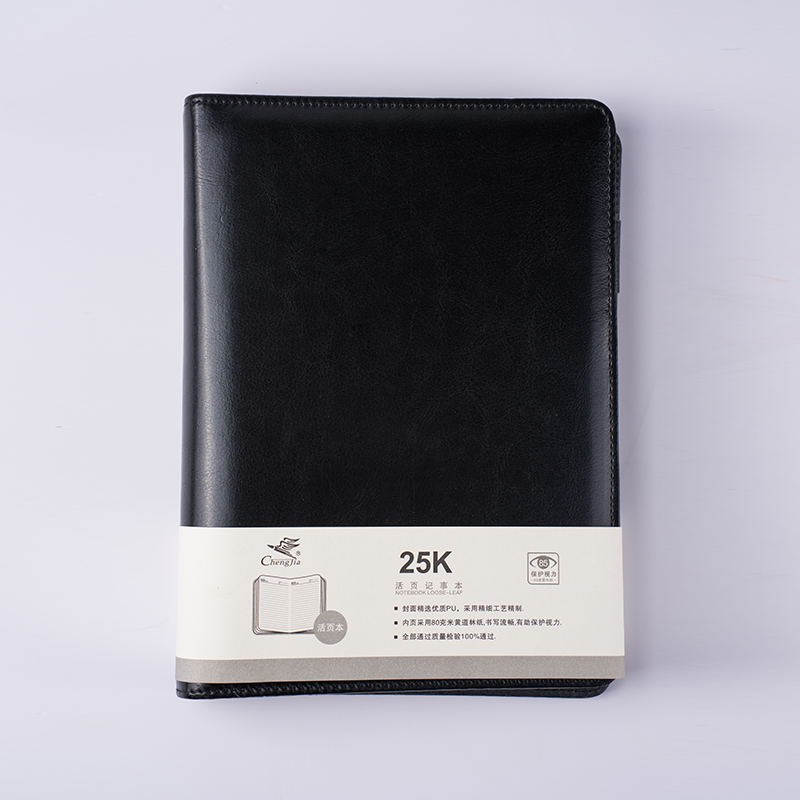
What Makes It Different
The pages are not permanently stuck
Standard notebooks have glued or sewn pages. You cannot take them out without tearing. A handmade loose-leaf notebook uses rings or screws that open. Pages slide in and out. Move a section from the back to the front. Insert a new page between two others.
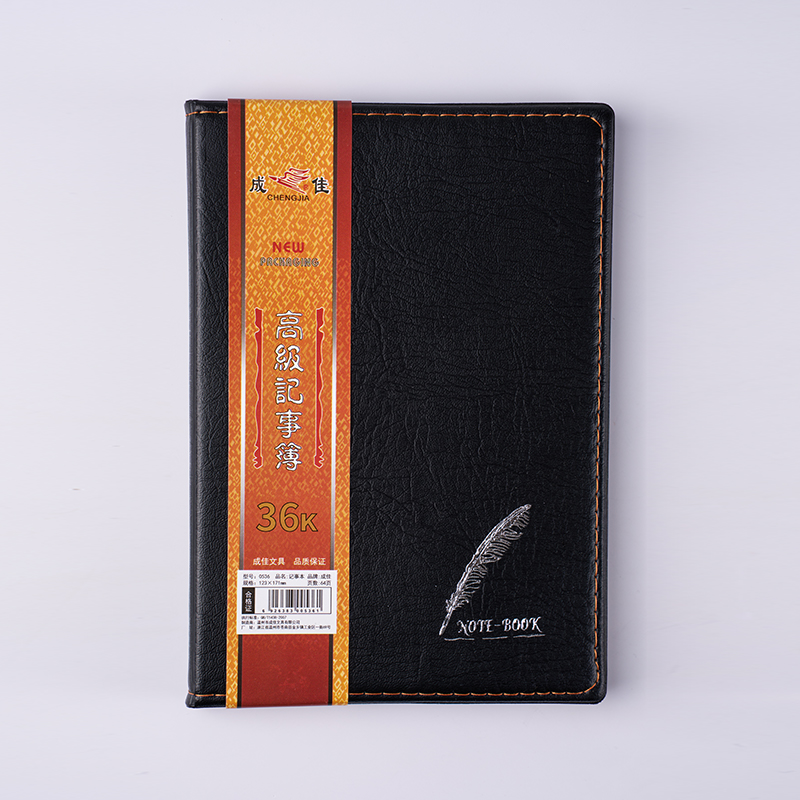
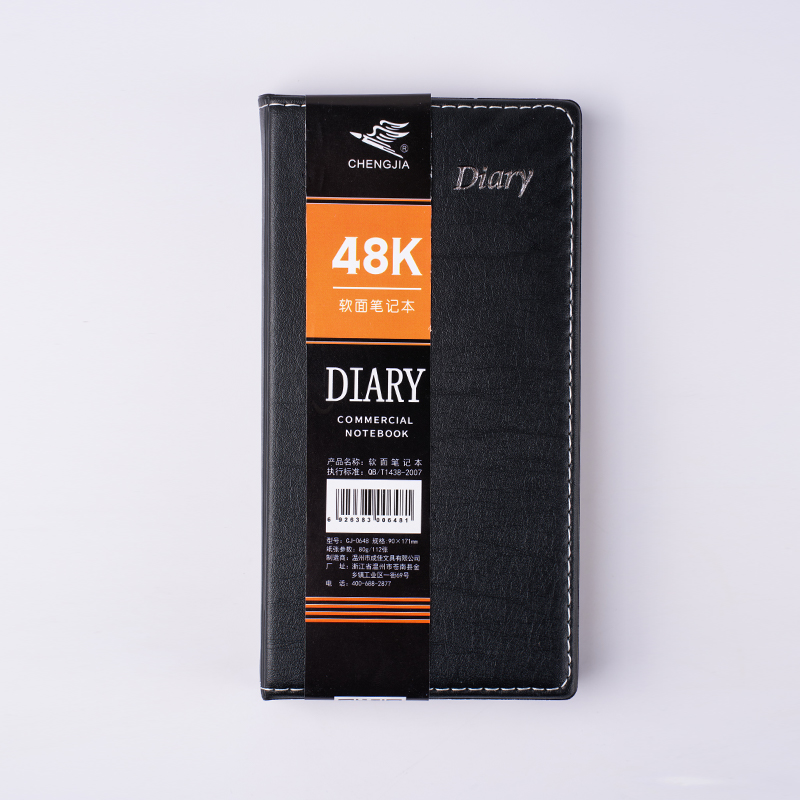
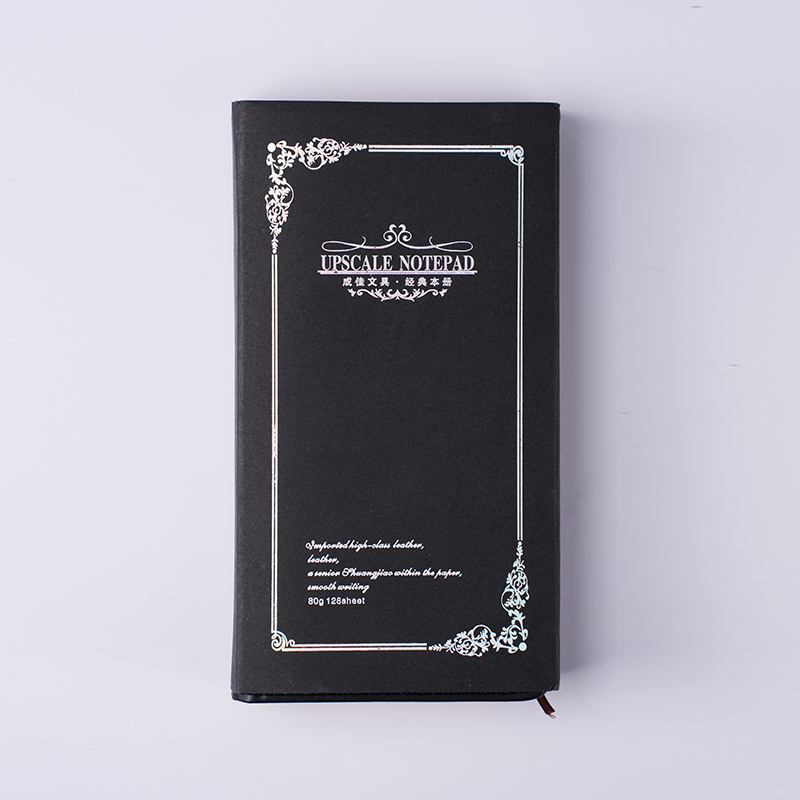
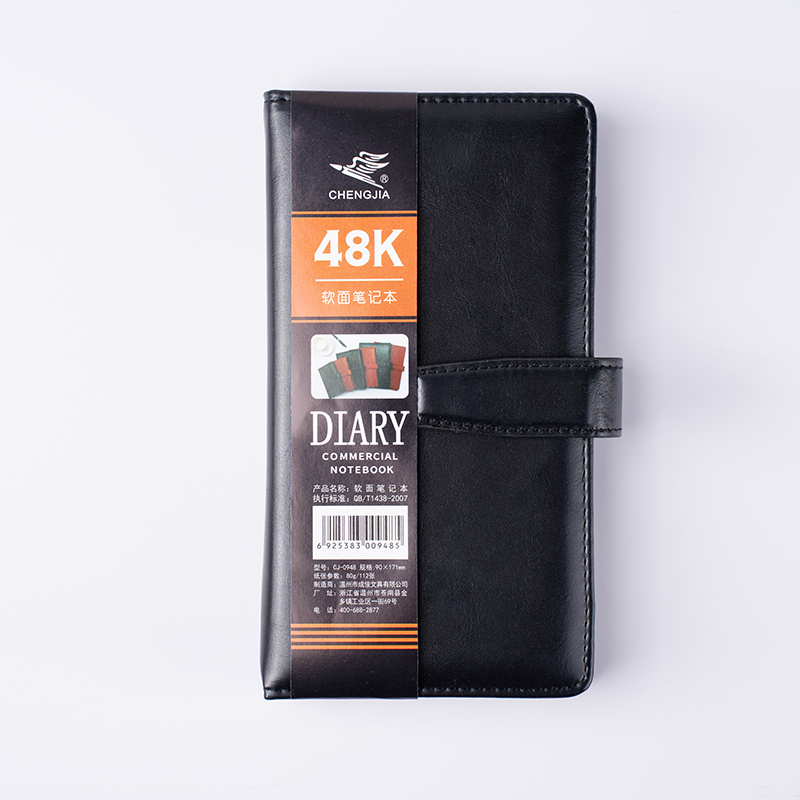
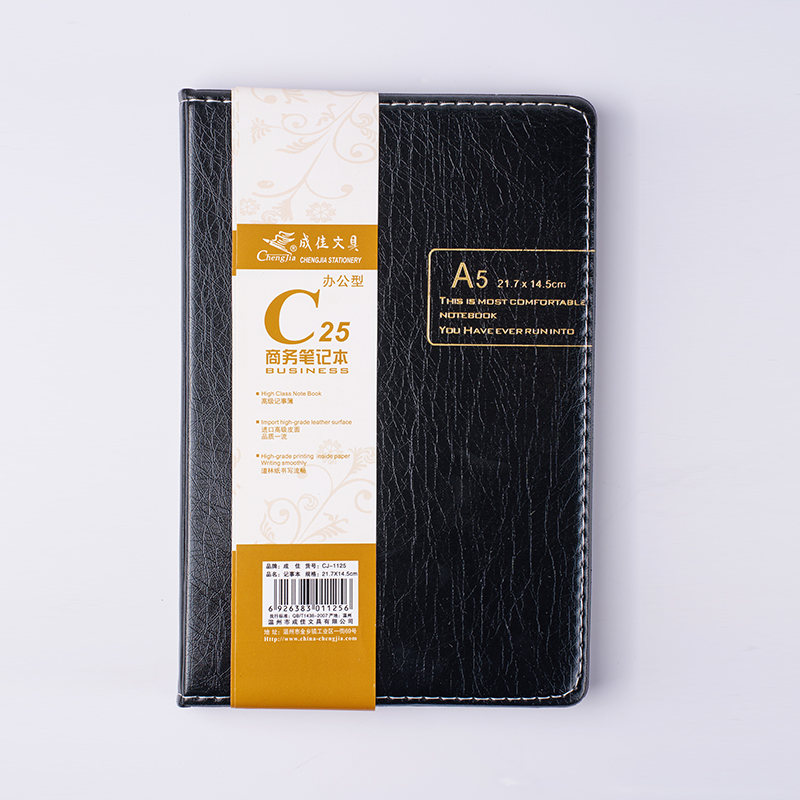
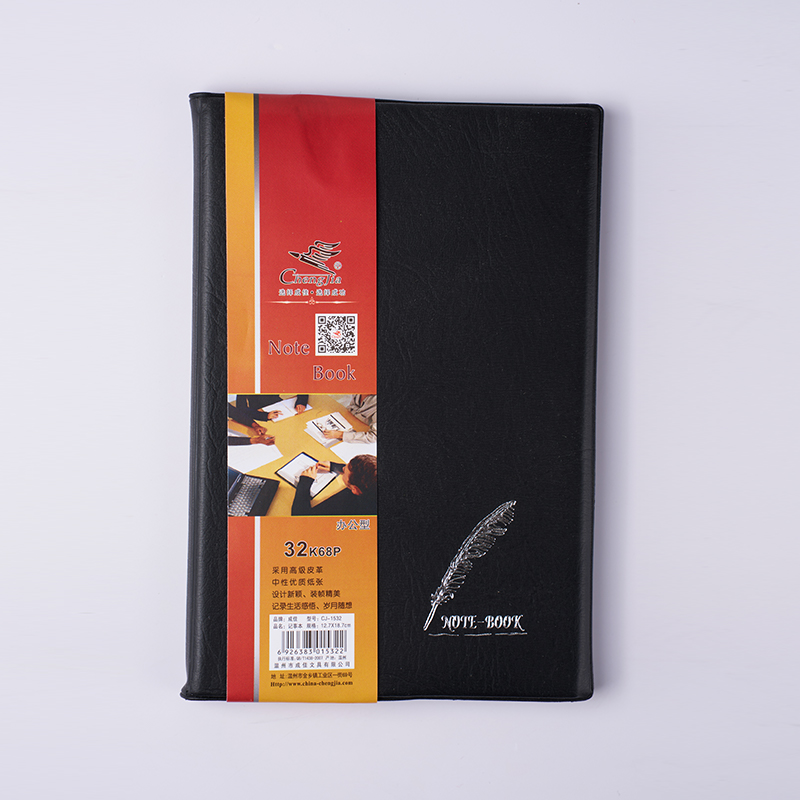
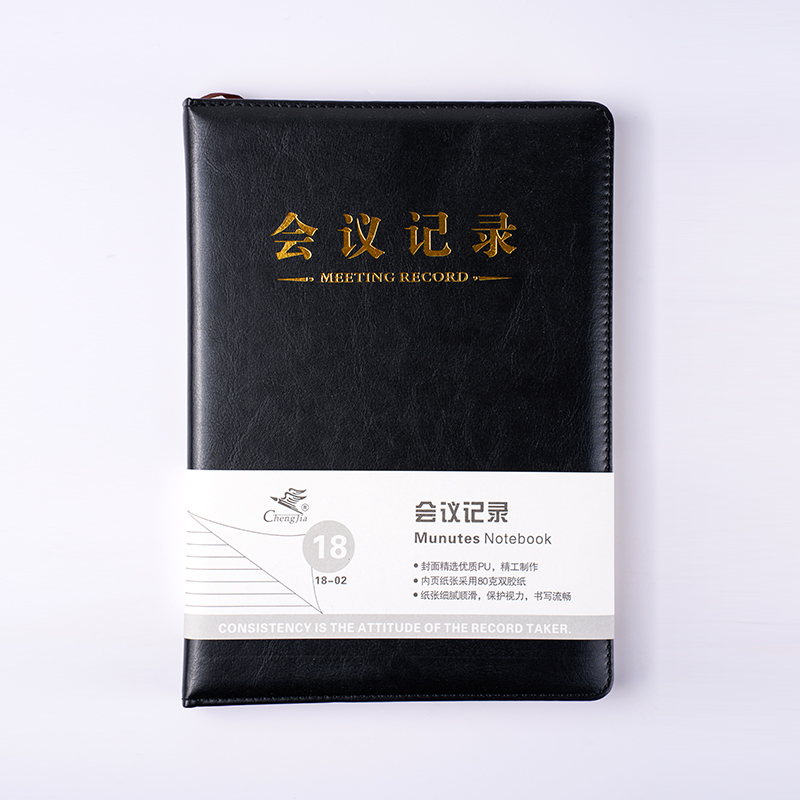
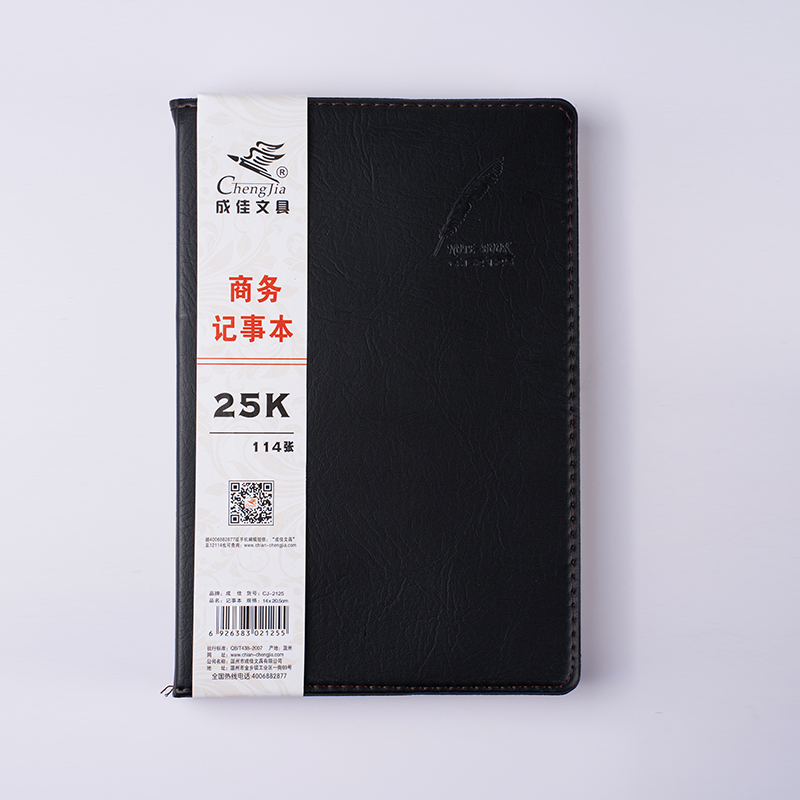
The cover is usually leather, fabric, or thick paper. Handmade means each one is slightly different. Visible stitching. Raw edges. It has character.
You rearrange whenever you want
Writers use them for drafting. Move chapters around. Students use them for lecture notes. Reorganize by subject. A handmade loose-leaf notebook adapts to how you work. Not the other way around.
What Makes It Handmade
The cover is made by hand
Machine-made notebooks have covers cut and assembled by automated equipment. A handmade loose-leaf notebook has a cover cut, stitched, and finished by hand. Leather cut with a knife. Holes punched individually. The stitching is visible and uneven—that is the point.
The binding is put together manually
Rings or screws are installed by hand. Pages are aligned by eye. A handmade loose-leaf notebook has small imperfections. The cover might be slightly off-center. The stitching might not be perfectly straight. That is what makes it handmade.
Where People Use Them
Writers and authors
A novelist drafts a chapter. Moves it to another section. Adds a new scene between two existing ones. A handmade loose-leaf notebook lets them do that. Pages are not locked in place.
Students and researchers
A student takes lecture notes. Adds handouts between the pages. Reorganizes by subject. A handmade loose-leaf notebook holds everything in one place.
Planners and journalers
Some use them for daily planning. Add monthly calendars. Insert to-do lists. Remove completed pages. The notebook stays current.
What to Look For
The binding mechanism
Rings are common. They open with a lever or screw. A handmade loose-leaf notebook with rings lets pages lay flat. The rings should be sturdy. Thin rings bend. Pages do not turn smoothly.
Screws are another option. They hold pages tighter. The notebook is more secure. Pages do not shift. Screws take longer to open.
What to check in the binding:
- Rings — easy to open, pages lay flat, sturdy metal
- Screws — secure, pages do not shift, slower to open
- Spiral — lays flat, catches on bags, less durable
The cover material
Leather covers are common for handmade notebooks. They age well. Develop a patina. A handmade loose-leaf notebook with a leather cover lasts for years.
Fabric covers are lighter. More colors. They stain easily. Paper covers are cheap. They tear. Short-term use only.
The paper
Paper should take ink without bleeding through. 80 to 100 GSM is standard. A handmade loose-leaf notebook with good paper is a pleasure to write on. Thin paper tears. Ink bleeds through.
What paper weight does:
- 70 GSM — thin, ink shows through
- 80 GSM — standard, good for ballpoint pens
- 100 GSM — thick, good for fountain pens
- 120 GSM — very thick, no show-through
Why Choose a Handmade Notebook
It lasts longer
A handmade loose-leaf notebook is built to last. Sturdy cover. Strong binding. Replaceable pages. Keep the notebook for years. Only replace the pages.
It looks different
Mass-produced notebooks all look the same. A handmade notebook has character. Grain in the leather. Visible stitching. Raw edges. Unique.
It adapts to you
Not stuck with the original page order. Rearrange. Add. Remove. A handmade loose-leaf notebook changes with you.
A handmade loose-leaf notebook is for people who write. Who plan. Who think on paper. It is not the cheap. Not the most convenient. But it is flexible. And it lasts. That is the point. A notebook that grows with your ideas. Not the other way around.