English
 русский
 Español
Content
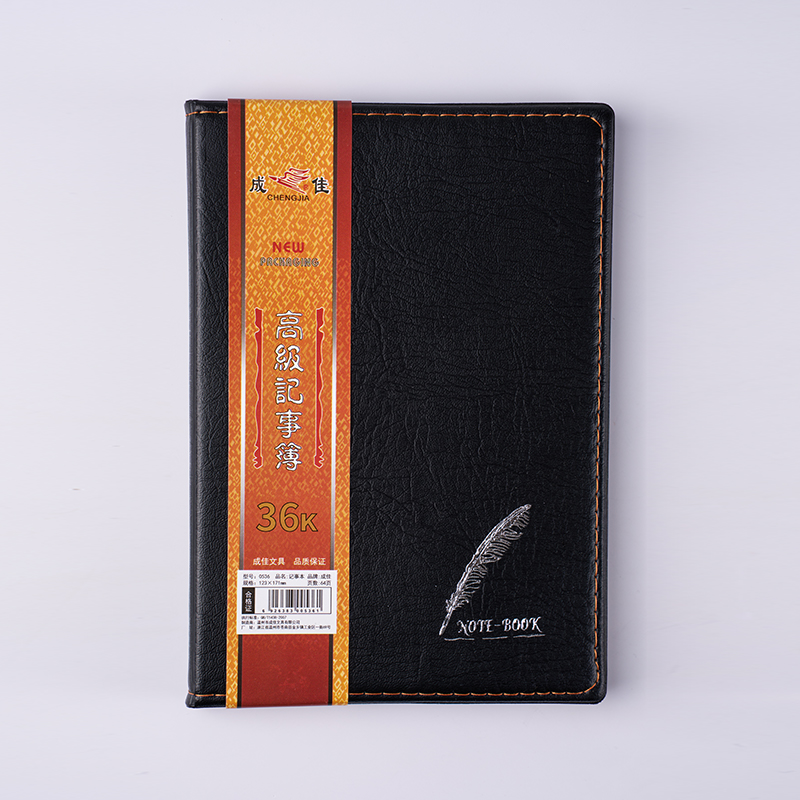
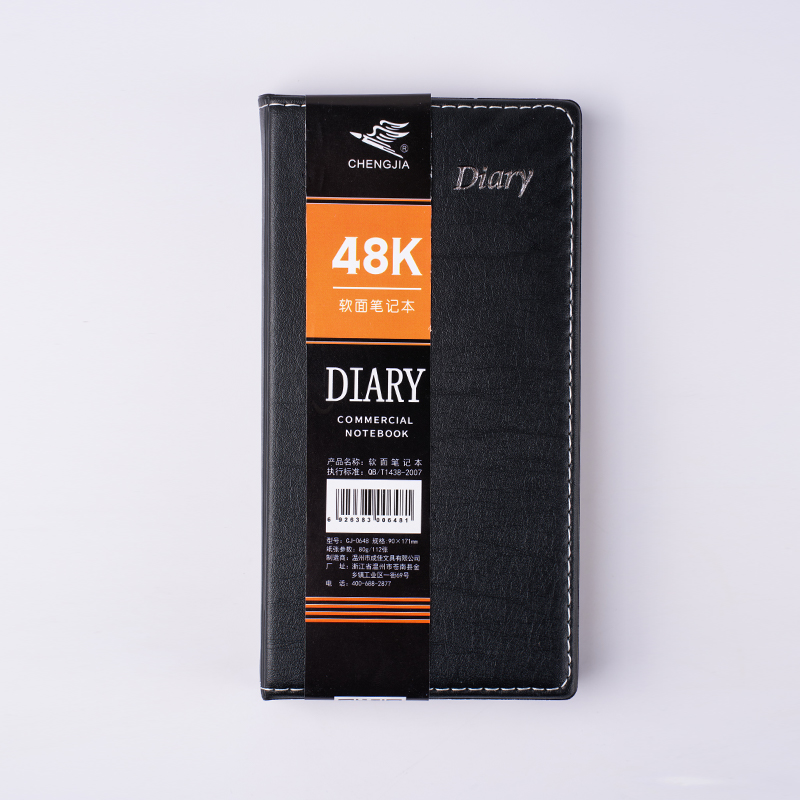
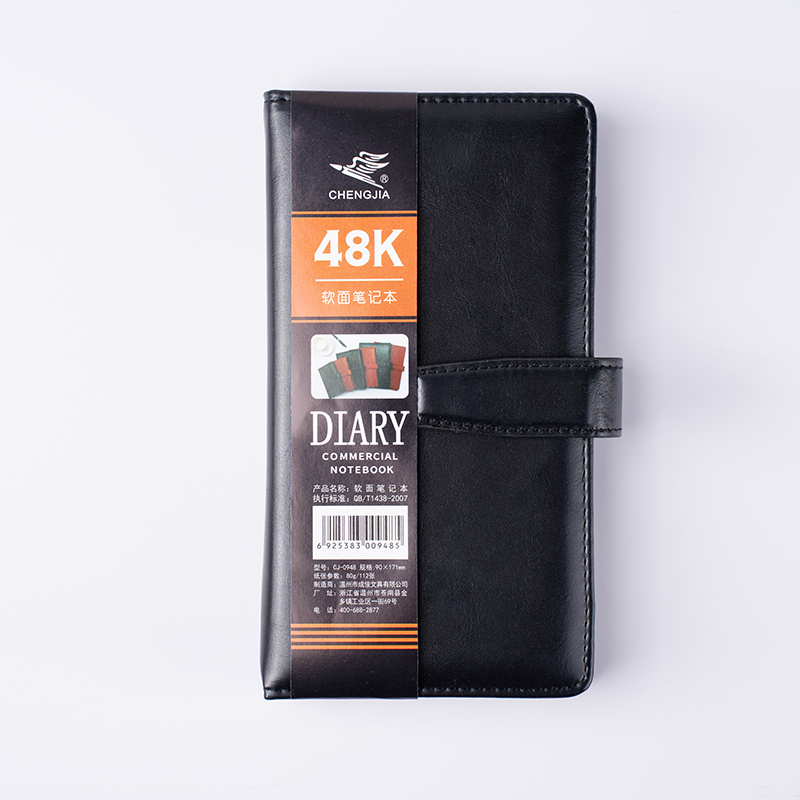
A hardcover notebook looks nice on a desk. It does not bend. But it also does not fit in a back pocket. It adds weight to your bag. A soft cover notebook is the opposite. Flexible. Light. It bends with you. Slides into a bag or pocket without bulging. Here is what to look for.
What Makes a Soft Cover Notebook Different
The cover bends, so you can use it anywhere
Soft cover notebooks use thick paper, cardstock, or thin polyurethane for the cover. It bends. Folds back on itself. You can hold it in one hand and write with the other. No fighting the cover.
Hardcovers need a flat surface. Soft covers work on a bus, a train, or standing in line.
The binding has to flex or it will crack
The cover bends. The binding has to bend with it. Glued binding cracks. Pages fall out. Sewn binding flexes. Pages stay attached.
Thread-sewn binding is the good for soft notebooks. Pages are sewn in sections. Sections glue to the cover. The notebook opens flat. The spine does not crack.
Who Actually Uses Soft Cover Notebooks
Students carry enough weight already
A student's backpack is heavy. A soft cover notebook weighs less than a hardcover. Fits in a backpack pocket. No extra bulk. Good for lecture notes, to-do lists, quick sketches.
People who write on the move
Trains. Coffee shops. Waiting rooms. A soft cover notebook slides into a purse or jacket pocket. Pull it out. Write. Put it away. No fuss.
Meeting people who use laptops
A hardcover on a conference table looks formal. A soft cover is less formal. Fits in a laptop bag. Good for meeting notes and action items.
Here is where soft cover notebooks work well:
- Students — lightweight for backpacks
- Journalers — portable for daily writing
- Professionals — fits in laptop bags
- Travelers — slips into carry-on pockets
- Artists — sketchbooks that lay flat
What to Check Before Buying
Paper weight and quality
Thin paper tears. Ink bleeds through. You need paper thick enough for your pen. 80 to 100 GSM is good. 120 GSM is better. Heavier paper adds weight. Your call.
Here is what different paper weights do:
- 70 GSM — thin, ink shows through, cheap
- 80 GSM — standard, fine for ballpoint, some show-through
- 100 GSM — thick, little show-through, good for gel pens
- 120 GSM — very thick, fountain pen safe, heavier notebook
Cover material durability
The cover gets shoved into bags. It gets bent. Thin paper tears. Cardstock lasts longer. Polyurethane is water resistant. Wipes clean.
Here is how cover materials stack up:
- Paper cover — cheap, tears easily, light
- Cardstock — stiffer than paper, tears less, still light
- Polyurethane — durable, water resistant, flexible
- Fabric — soft, stains easily, expensive
Binding that lays flat
A notebook that does not lay flat is frustrating. You hold it open with one hand. Write with the other. Your hand gets tired.
Sewn binding lays flat. Pages open all the way. Spine does not crack. Glued binding pulls back toward the spine. You fight it.
Here is how binding types compare:
- Sewn — lays flat, durable, flexible
- Glued — does not lay flat, cracks over time
- Spiral — lays flat, catches on bags
- Staple — thin notebooks only, few pages
What Goes Wrong with Cheap Ones
The cover tears at the spine
Thin paper cover. Bend it at the spine. The paper tears. Cover separates from pages. Notebook falls apart.
Pages fall out
Glued binding dries out. Pages detach. A notebook with missing pages is useless.
The cover stains and won't clean
Paper cover. No coating. Coffee spills. Cover stains. Looks bad. You buy a new one.
Ink bleeds through
Cheap 60 GSM paper. Shows every pen stroke. Write on one side. The other side is unusable.
A soft cover notebook is for people who write on the go. It needs to be light. Flexible. Durable.
Look for 80 to 100 GSM paper. Cardstock or polyurethane cover. Sewn binding that lays flat.
A cheap notebook tears. Pages fall out. Ink bleeds through. You buy another. You spend more over time.
A good notebook costs a few dollars more. It lasts for months. Cover stays intact. Pages stay attached. Paper takes any pen.
For students, travelers, and daily writers, a soft cover notebook is the right tool. Light enough to carry. Tough enough to survive. Flexible enough to use anywhere. That is the point. A good soft cover makes that happen. A bad one does not. Choose the good one. Your bag will be lighter. Your writing will be easier. Your notes will last.