English
 русский
 Español
Content
Stationery products still hold a steady place in both office environments and personal organization habits. Even with digital tools becoming common, paper-based notes remain widely used for quick writing, planning, and reminders. Behind these products, a Notepad Factory manages a structured process that turns raw paper materials into finished notepads ready for retail and wholesale distribution.
Rather than focusing only on output volume, modern factories also consider customization, branding flexibility, and packaging variety to meet different market needs.
How production begins in a Notepad Factory
Inside a Notepad Factory, the production process usually starts with paper selection. Different thickness levels and surface textures are chosen depending on the intended use of the notepad. Some products are designed for smooth writing with pens, while others are made for pencil use or sketching.
After paper selection, sheets are cut into uniform sizes. Binding methods such as glue binding, spiral binding, or stitched binding are then applied based on product style. Each method affects how the notepad opens and how long it can hold together during repeated use.
A Notepad Factory often runs multiple production lines at the same time. This allows different formats—such as pocket-sized notepads, desk pads, or branded office notebooks—to be produced within the same facility.
Custom design and branding options
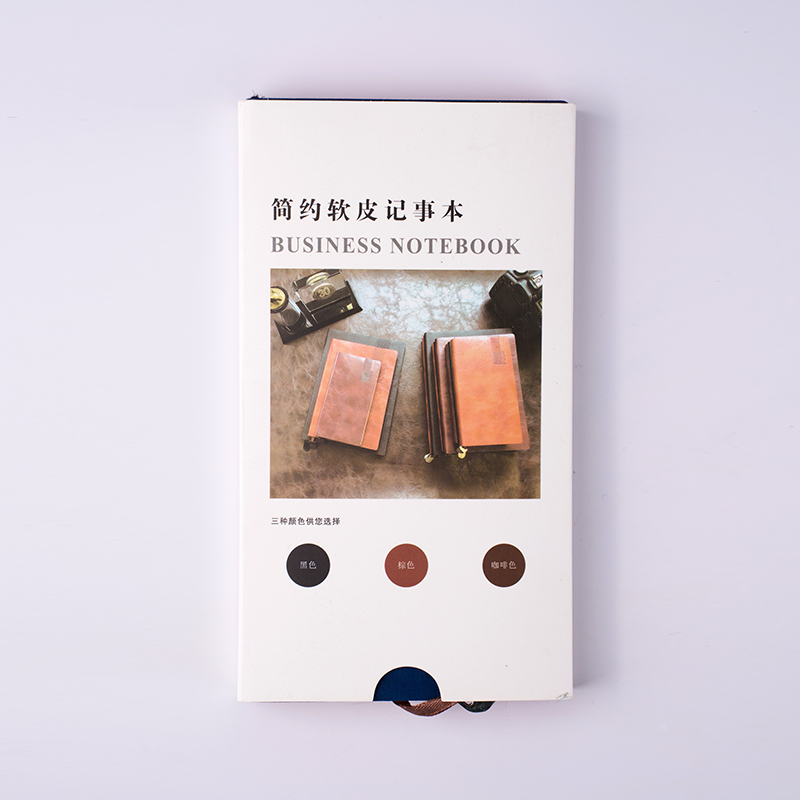
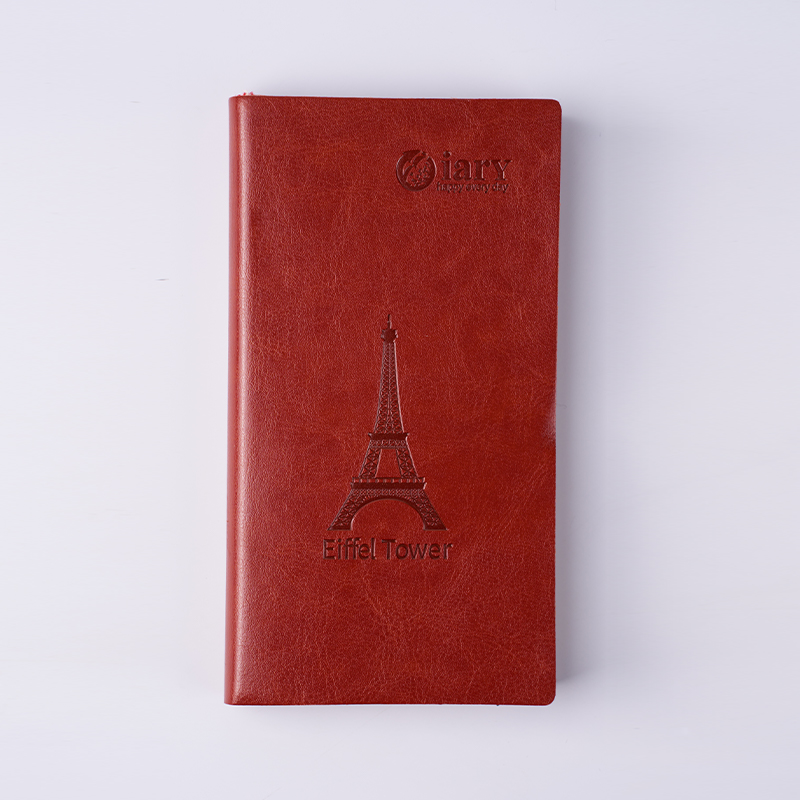
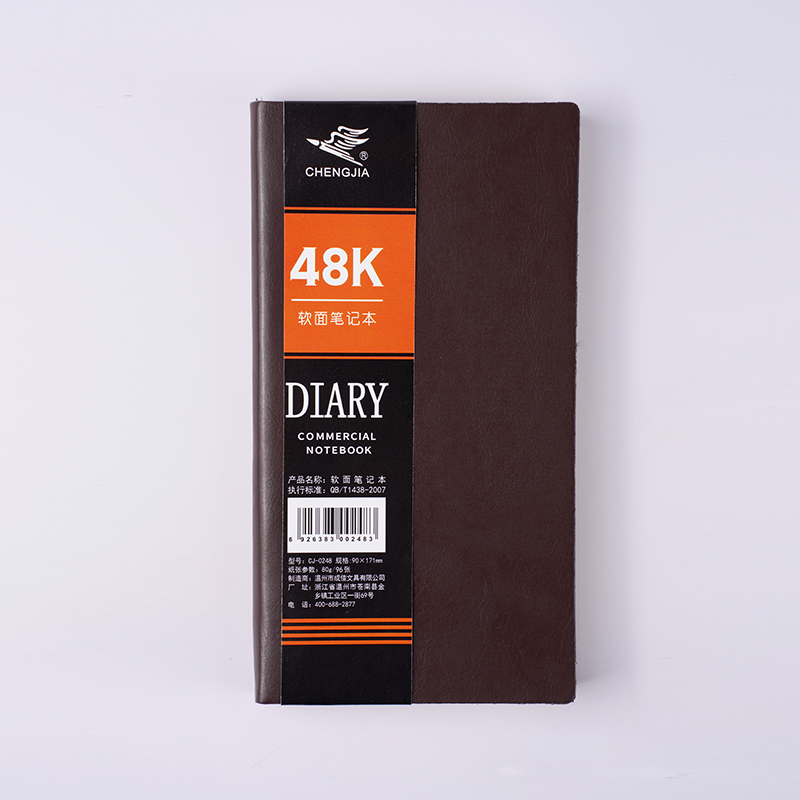
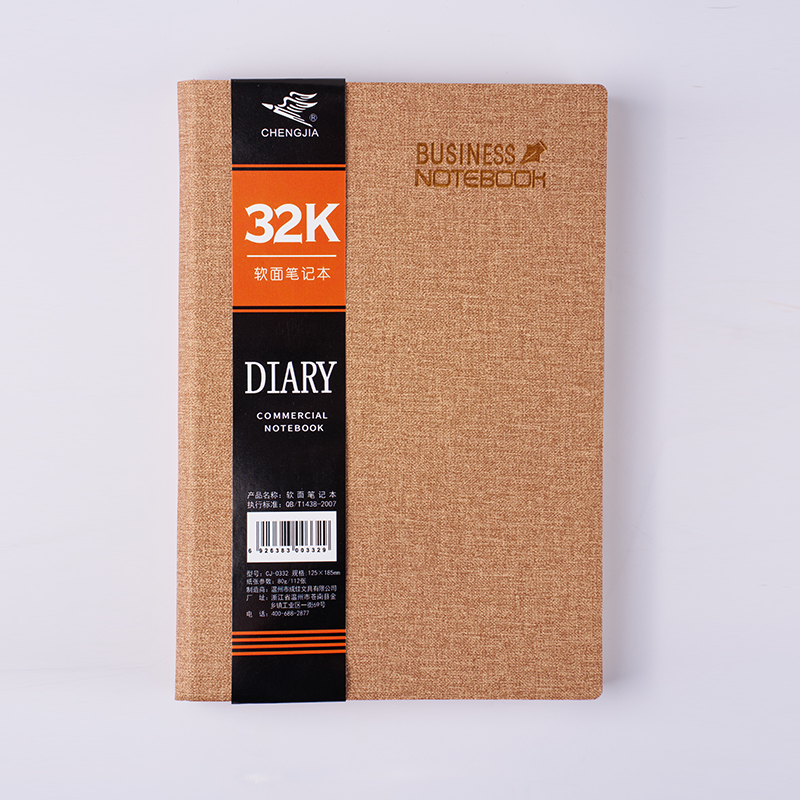
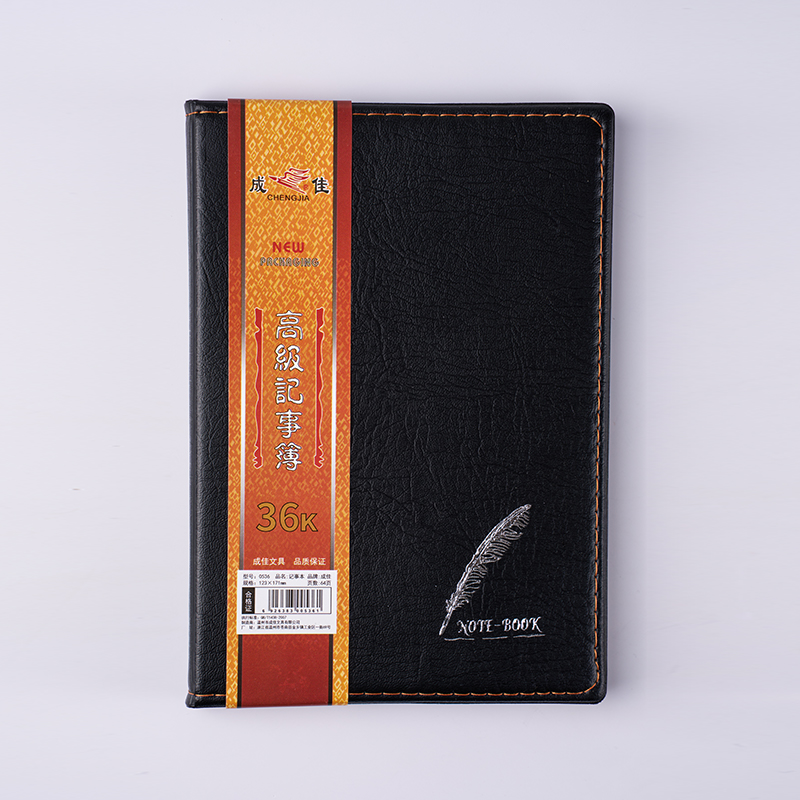
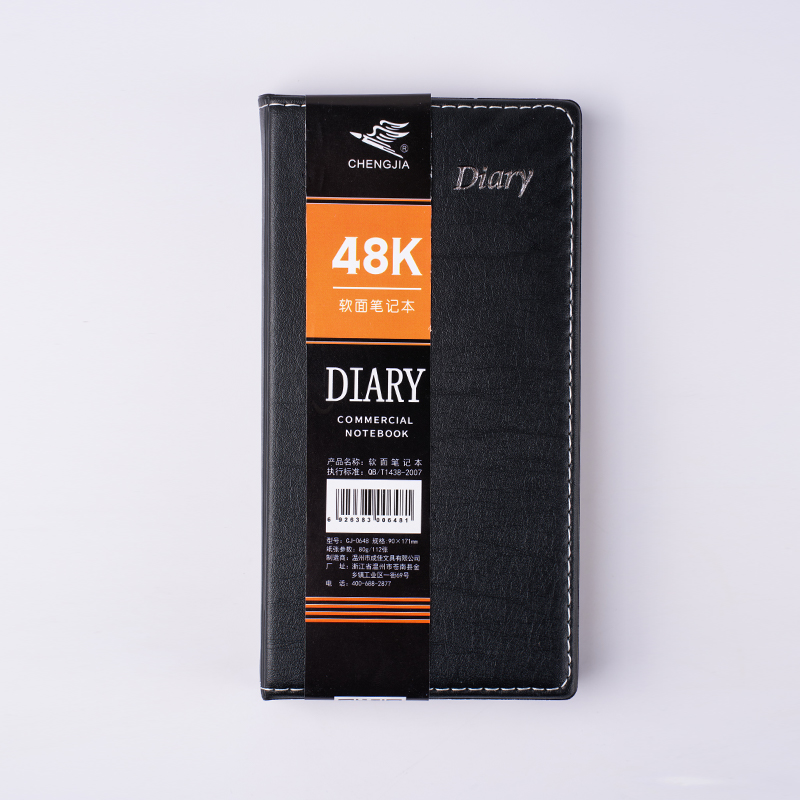
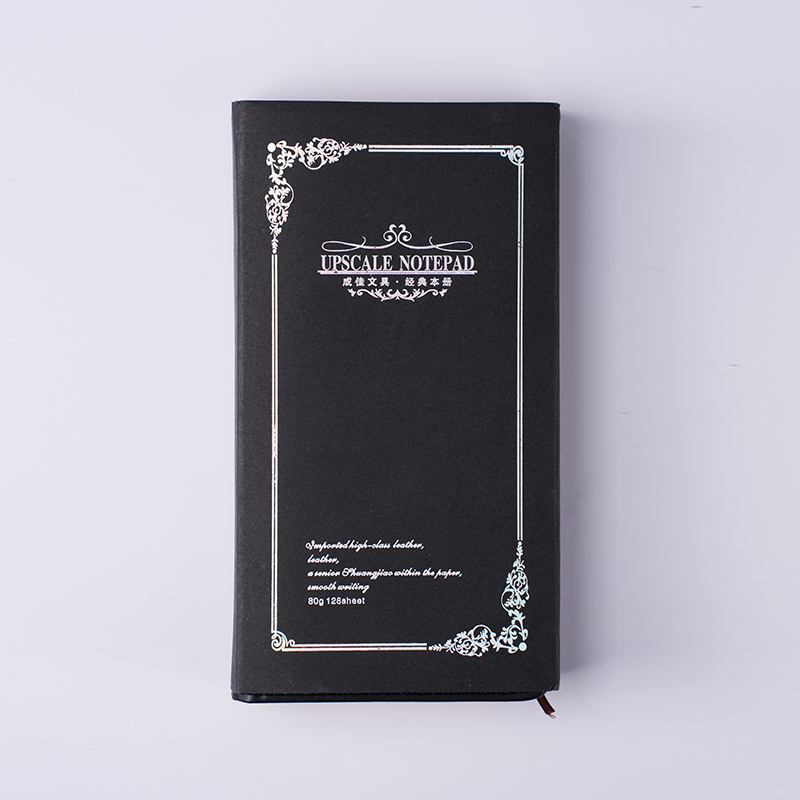
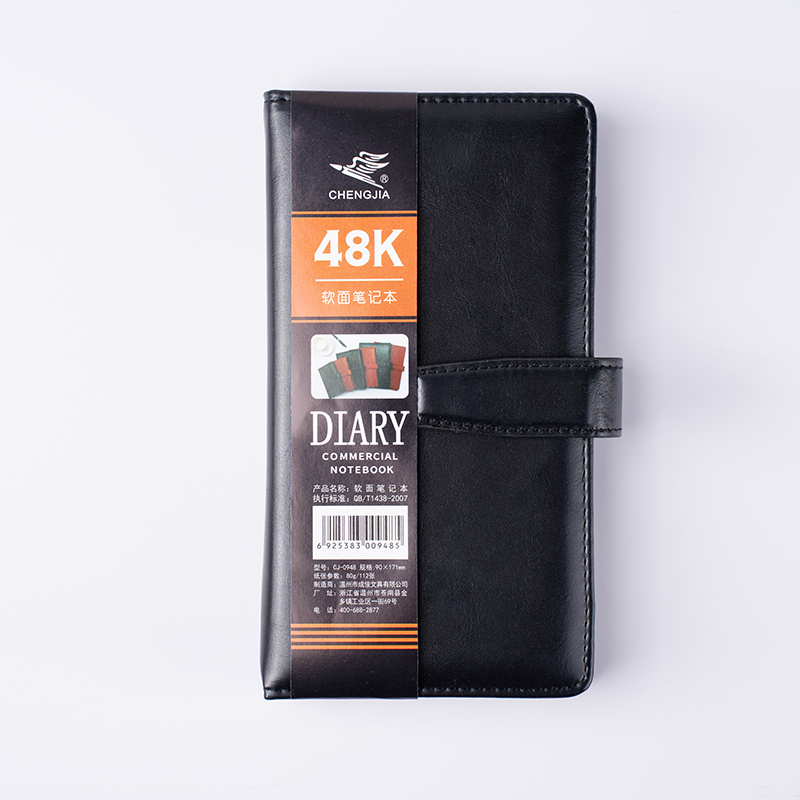
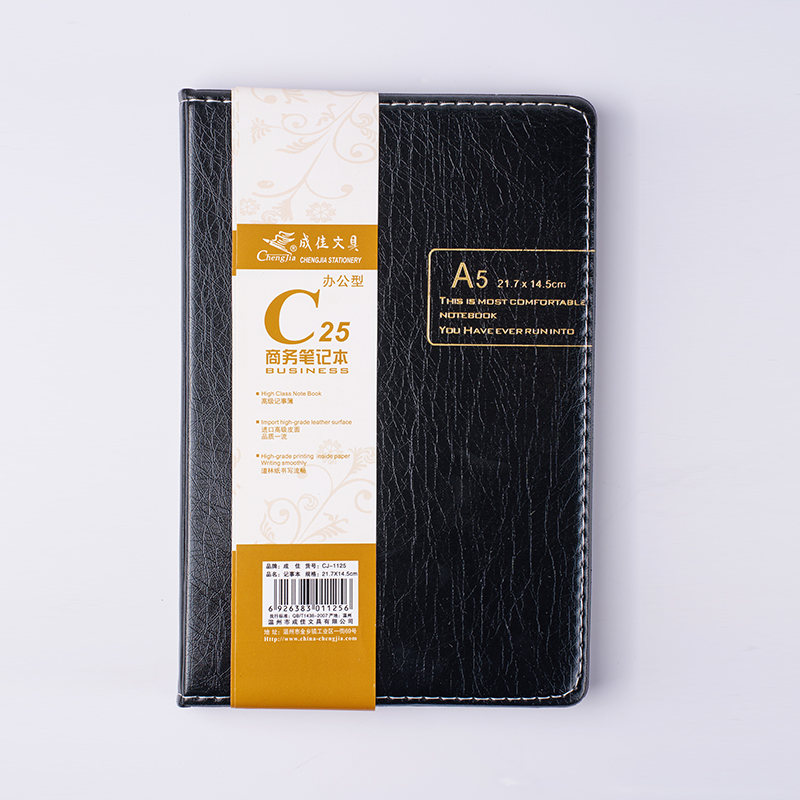
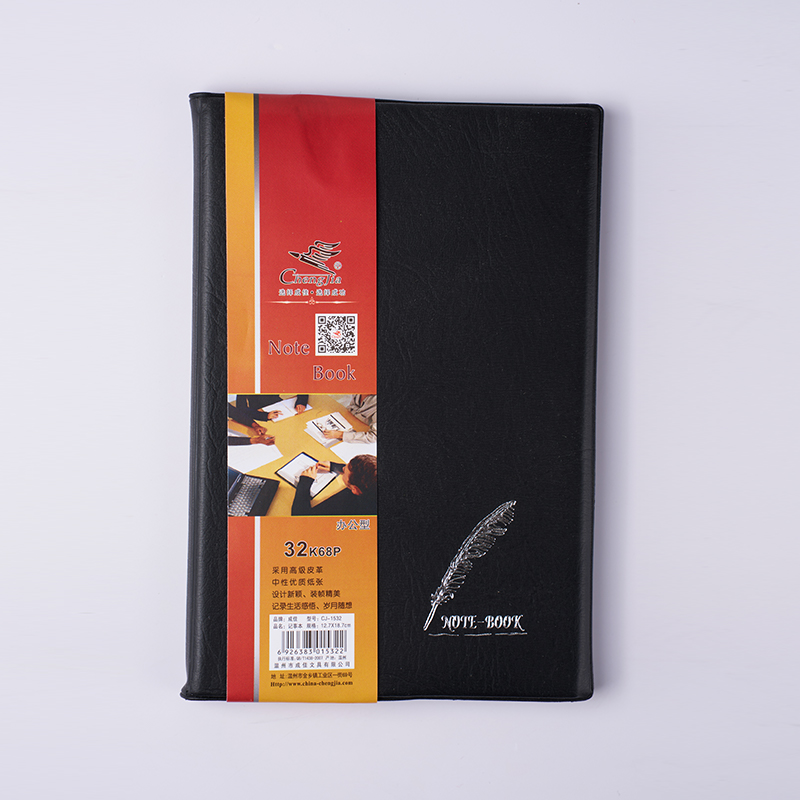
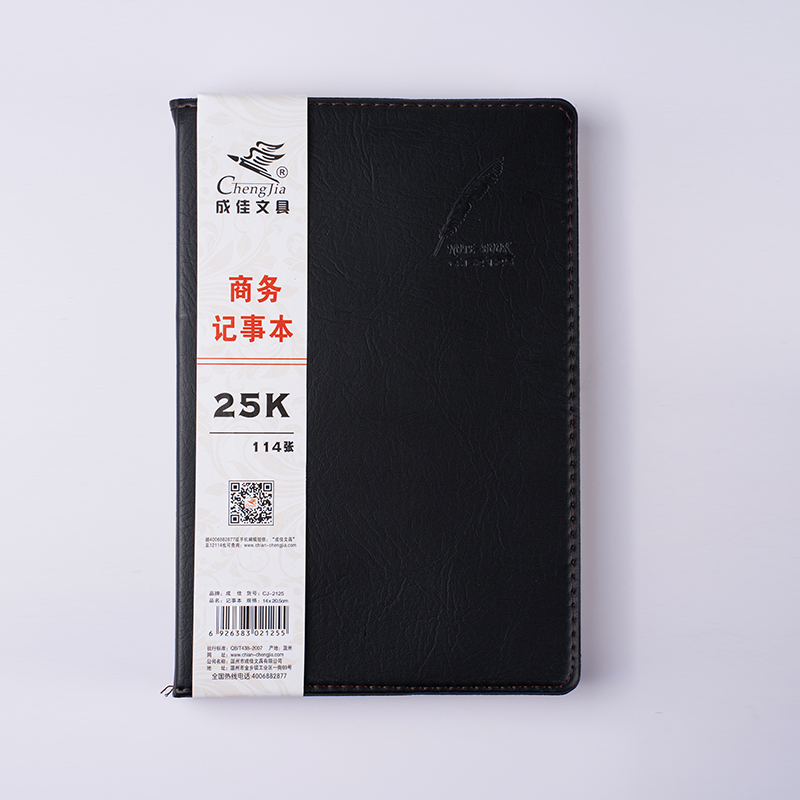
One important feature of a Notepad Factory is customization. Many buyers request branded notepads for corporate events, retail sales, or promotional campaigns. Logos can be printed on covers, inner pages, or packaging sleeves.
Color selection also plays a role. Some clients prefer simple monochrome designs for office environments, while others choose brighter covers for school or creative use. The factory usually provides sample proofs before full production begins, allowing adjustments to layout or print alignment.
In wholesale orders, packaging design becomes part of the planning process. Individual wrapping, shrink film packaging, or bulk carton packing can be selected depending on distribution needs.
A Notepad Factory may also adjust page layouts, such as adding grids, lines, or blank pages. This helps match different writing preferences across markets.
Material control and print quality
Paper quality affects how the final product feels during use. In a Notepad Factory, paper weight is measured in GSM (grams per square meter), which determines thickness and ink absorption behavior.
Ink printing quality is another important factor. If ink spreads too much, writing clarity may be affected. If the surface is too smooth, ink drying time can increase. Factories often test print samples before mass production to reduce inconsistencies.
Binding strength is also checked during production. Pages must stay attached under repeated flipping without separating easily. This is especially important for notepads used in daily office environments.
Wholesale production and supply planning
A Notepad Factory often works with distributors, stationery brands, and online retailers. Orders are usually planned in batches, especially during back-to-school seasons or office supply restocking periods.
Production scheduling is adjusted based on order size and customization level. Standard designs may move through production more quickly, while customized orders require additional steps such as plate making and print alignment checks.
Factories also coordinate packaging and shipping to match different regional requirements. Some markets prefer compact packaging for retail shelves, while others prioritize bulk packaging for warehouse distribution.
Usage scenarios across different markets
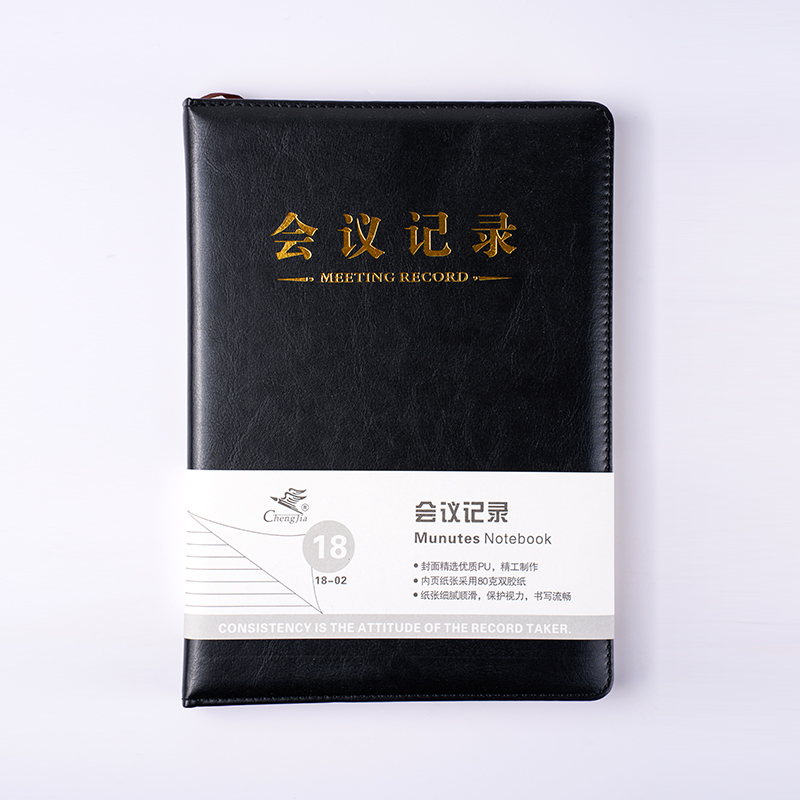
Notepads produced in a Notepad Factory are used in many environments. Offices use them for meeting notes and task tracking. Schools use them for assignments and study planning. Creative users may use them for sketching or idea recording.
Because of this wide usage range, factories often produce multiple product lines instead of a single design type. This allows different customer groups to choose formats that match their daily habits.
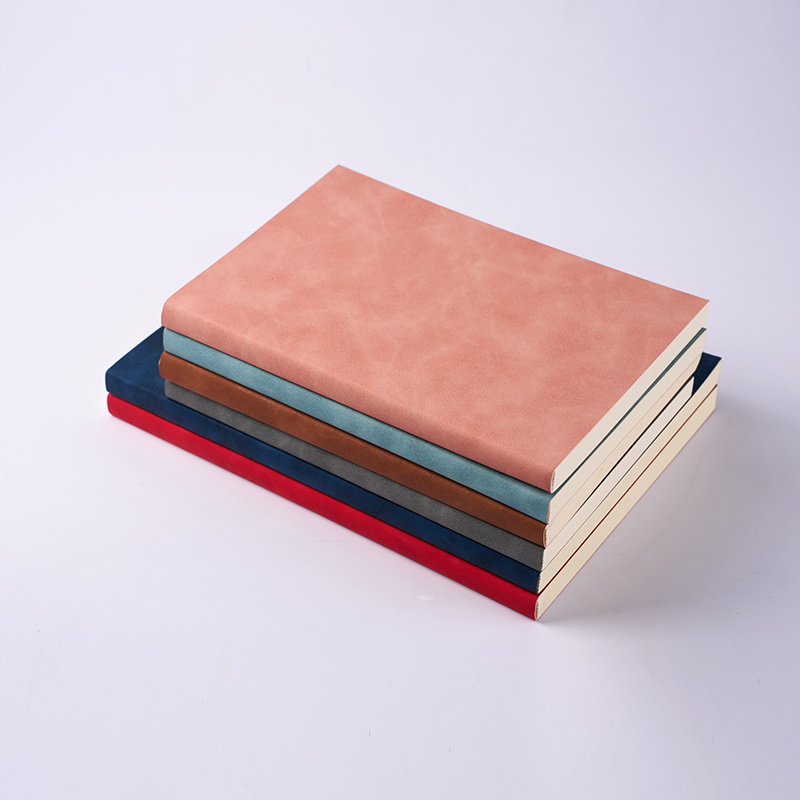
A Notepad Factory plays a structured role in stationery production, combining material selection, printing, binding, and packaging into a coordinated workflow. Through customization and flexible manufacturing processes, notepads are adapted for different user needs and market preferences. Even in a digital-heavy environment, these products continue to support simple writing and organization tasks in everyday life.