English
 русский
 Español
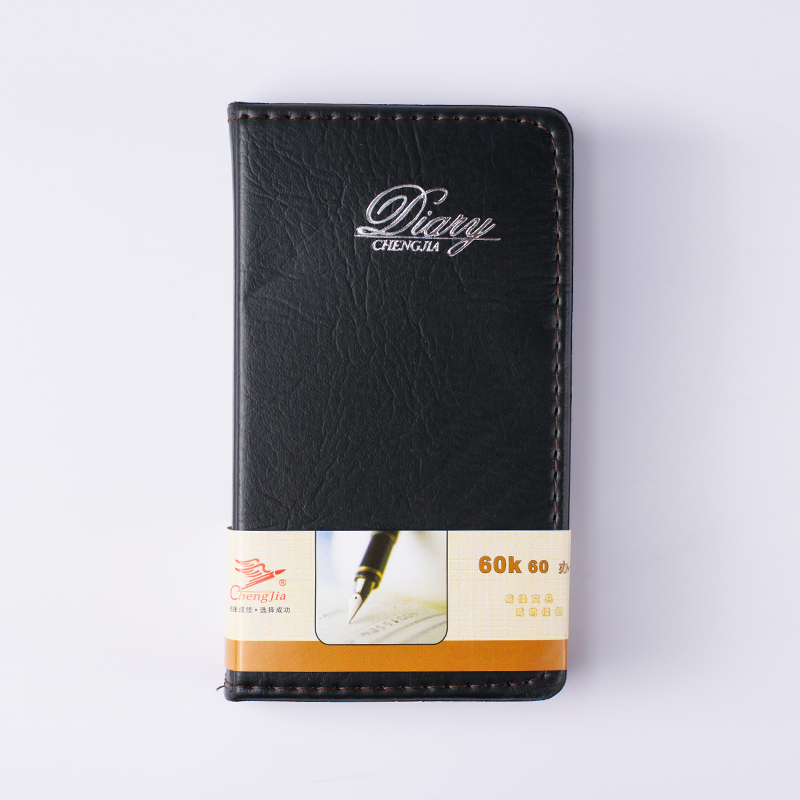
People often encounter ideas while walking, commuting, or working in changing environments. Phones and digital devices are widely used, but quick handwritten notes still hold a practical place in daily routines. The Portable Pocket Notebook is designed for moments when writing needs to happen quickly and without setup.
Instead of replacing digital tools, the Portable Pocket Notebook works alongside them as a simple way to record thoughts, reminders, and observations.
Everyday Carry and Practical Usage
One reason this notebook format remains in use is its size and portability. A Portable Pocket Notebook can fit into pockets, small bags, or work kits without taking up much space.
Many users carry it during meetings, field inspections, travel, or study sessions. It allows quick note-taking when opening a phone or laptop is not convenient.
The physical format also supports writing in environments where digital devices may not be practical, such as outdoor work sites or crowded public areas.
Writing Experience and Paper Selection
Paper quality influences how users interact with a notebook. A Portable Pocket Notebook may use lined, blank, or grid paper depending on writing preferences.
Some users prefer structured lines for organized notes, while others choose blank pages for sketches or flexible layouts. Grid paper is often used for planning, diagrams, or technical notes.
Binding style also affects writing comfort. Spiral-bound, stitched, or glued formats offer different page handling experiences during use.
Role in Work and Study Environments
In professional settings, quick note capture is often part of daily communication. A Portable Pocket Notebook is used for meeting points, task lists, and brief observations.
Students may use it for summarizing ideas during lectures or reviewing key concepts while studying outside classrooms.
In field-based jobs, such as inspection or sales work, handwritten notes can help record details that may not be convenient to type immediately.
Design Variations and User Preferences
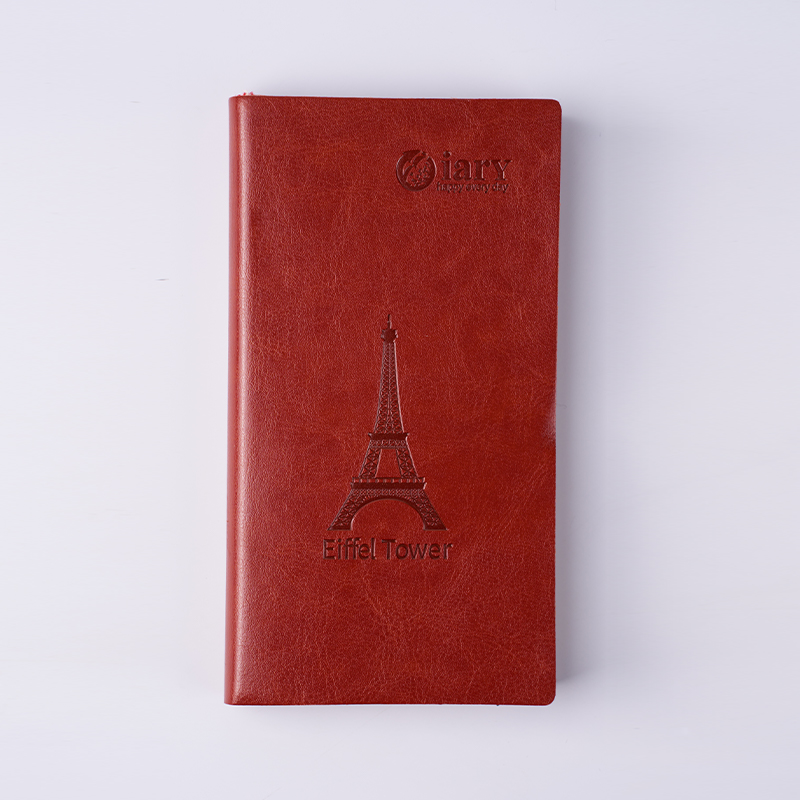
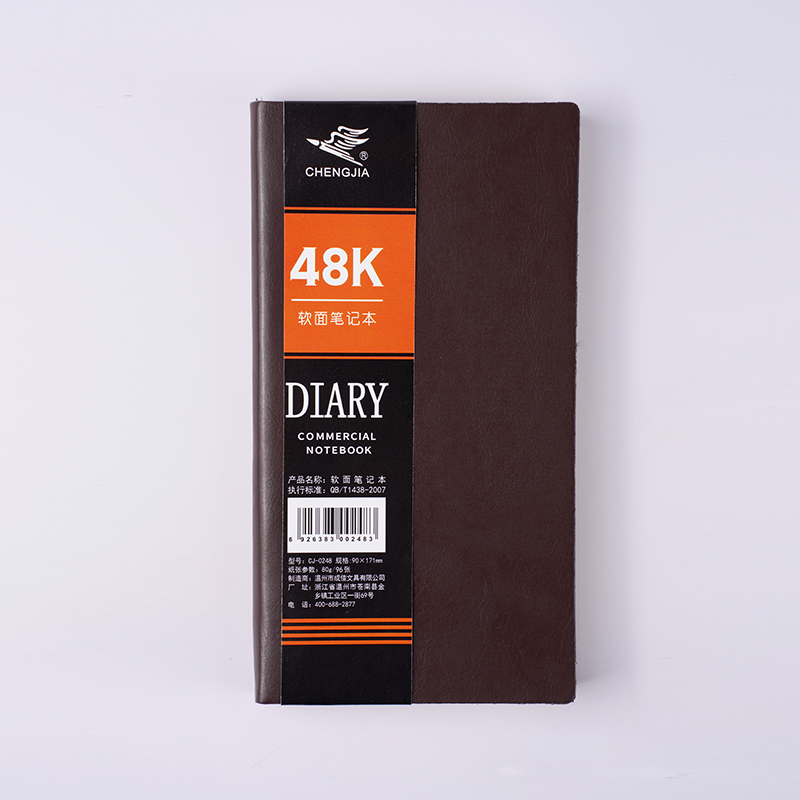
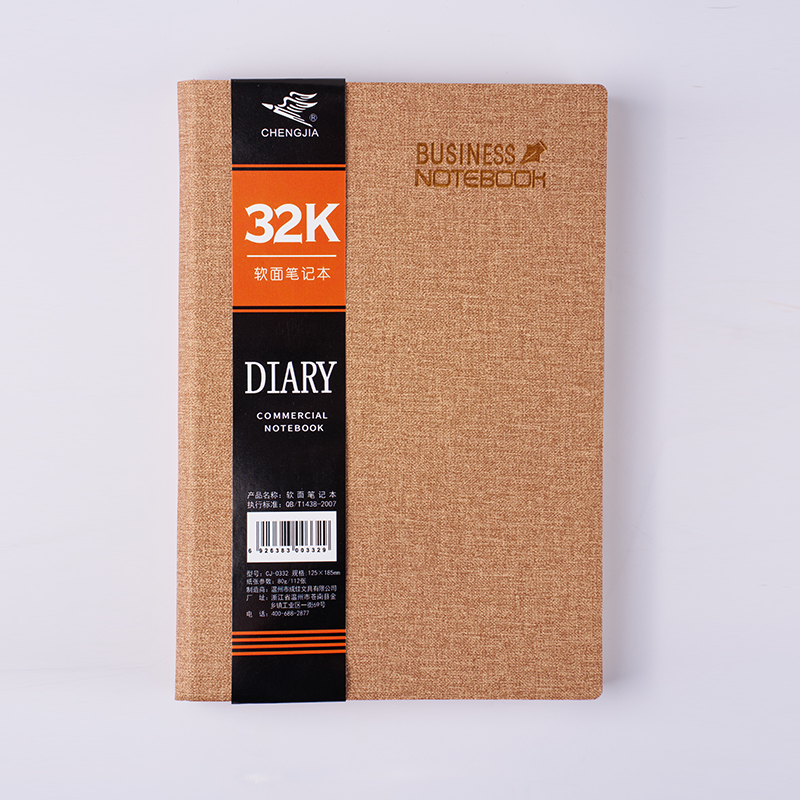
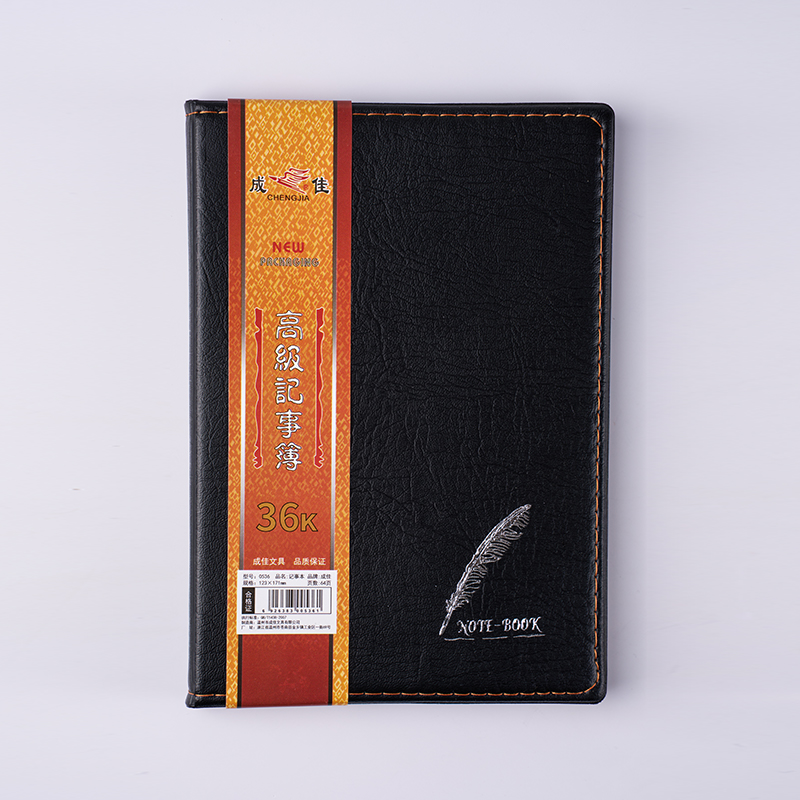
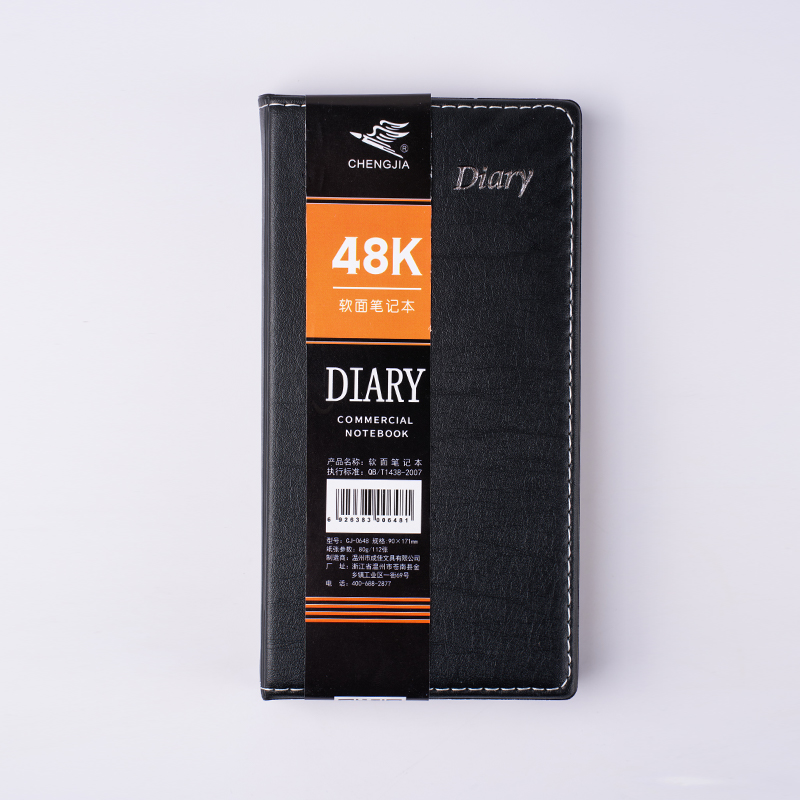
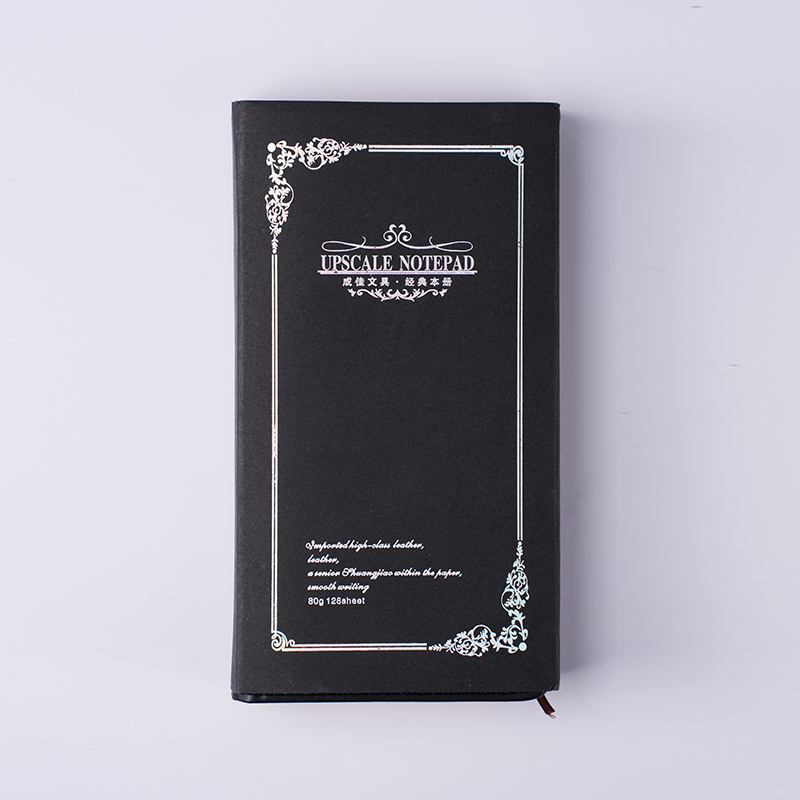
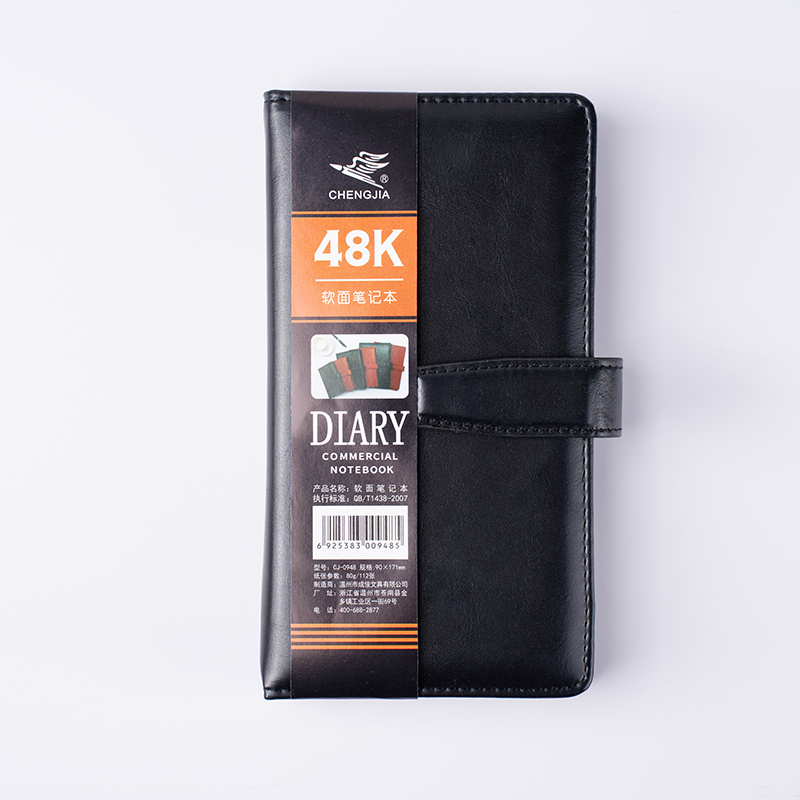
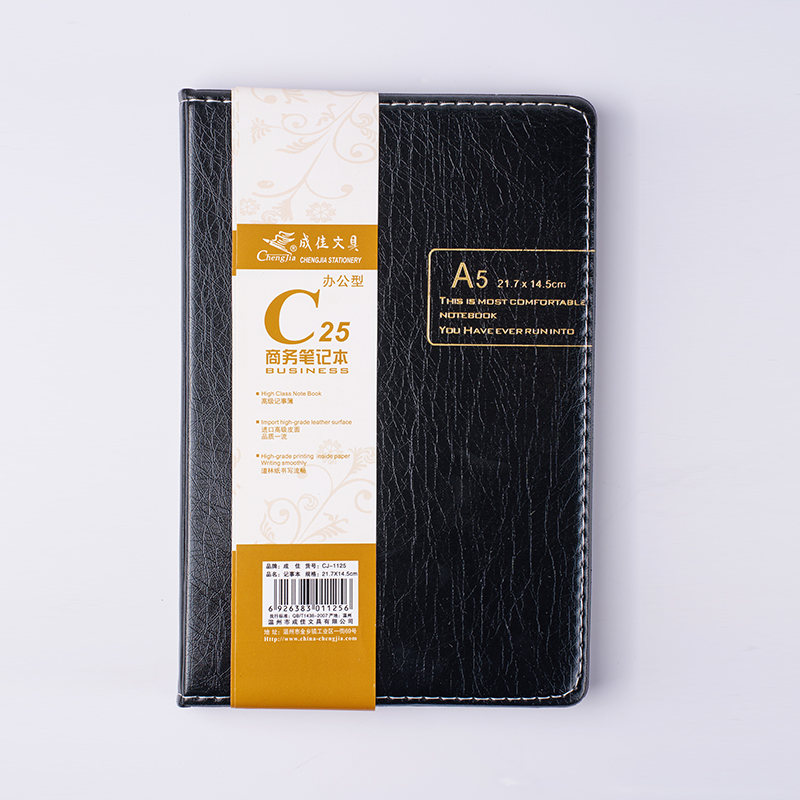
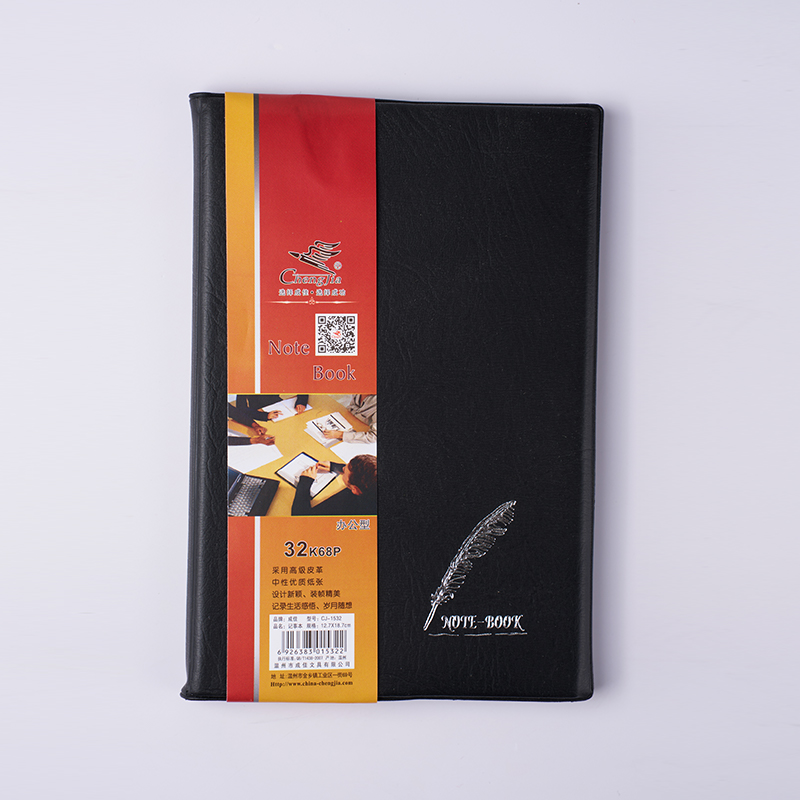
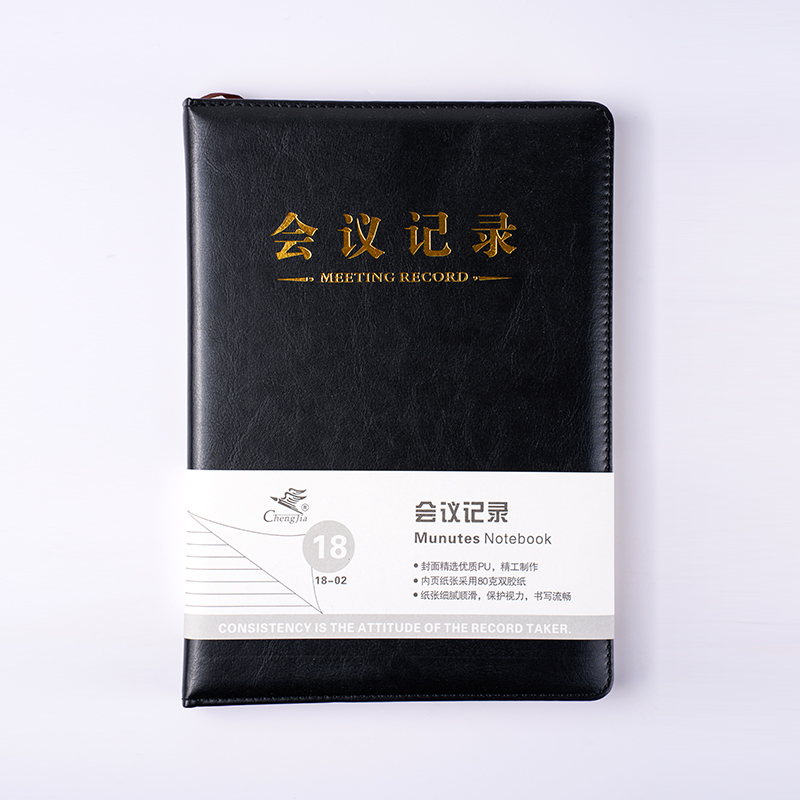
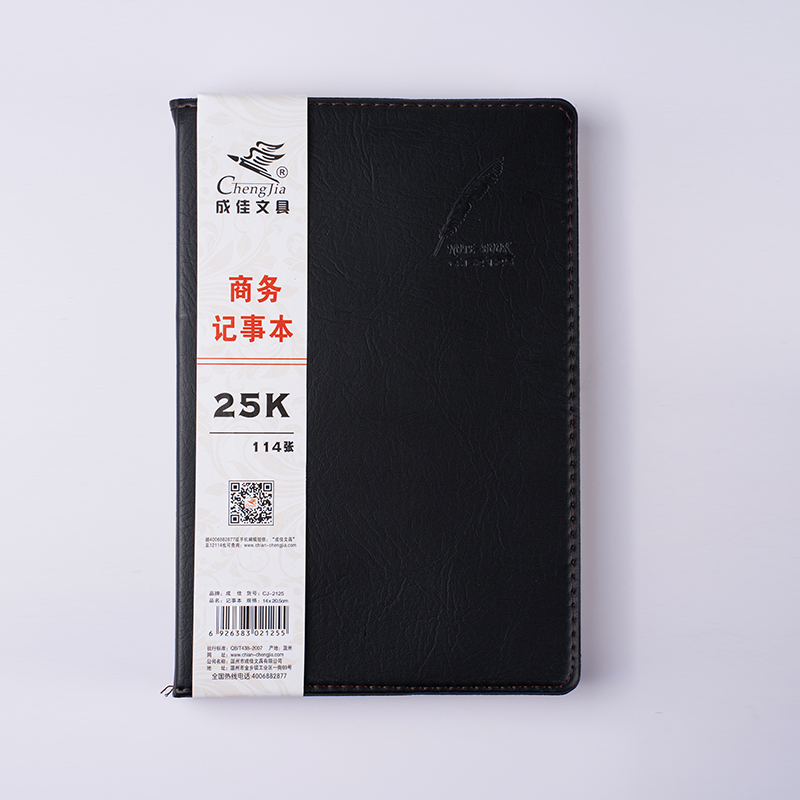
Different users choose notebooks based on layout and cover design. A Portable Pocket Notebook may come with hard covers for durability or soft covers for lighter carry weight.
Elastic bands, pen holders, and bookmark ribbons are sometimes included to improve usability during frequent use.
Cover design ranges from simple plain styles to more structured layouts for professional environments.
Integration with Digital Tools
Although digital tools are widely used, handwritten notes still play a supporting role. A Portable Pocket Notebook is often used as a temporary capture point before transferring information to digital systems.
For example, quick ideas can be written down first, then later organized in task management apps or documents.
This combination allows users to separate fast idea capture from structured digital organization.
Maintenance and Everyday Handling
A notebook requires minimal maintenance, but handling habits can affect its lifespan. A Portable Pocket Notebook is often stored in bags or pockets, so cover durability becomes important.
Users sometimes replace notebooks regularly once pages are filled, creating a continuous cycle of usage.
Keeping pages clean and avoiding moisture helps preserve written content over time.
Simple Writing Tools in Modern Routines
Even with digital tools widely available, handwritten notes remain part of everyday workflows. The Portable Pocket Notebook provides a straightforward way to capture ideas in moments where speed and simplicity matter.
Across work, study, and daily life, the Portable Pocket Notebook continues to serve as a flexible companion for short-form writing and quick information recording.