English
 русский
 Español
Content
Educational stationery is often seen as simple classroom material, but behind each notebook or pad lies a structured production system. Schools, wholesalers, and retailers depend on stable supply chains to keep learning tools available throughout the academic year. In this system, a Student Notepad Manufacturer plays a key role in producing writing pads that meet different educational needs, from basic note-taking to structured classroom exercises.
Instead of focusing only on appearance, manufacturers must balance durability, cost control, and usability.
Role of Manufacturing in Educational Stationery Supply
School stationery demand is closely tied to academic calendars. Large orders are often placed before new semesters begin, requiring consistent production schedules.
A Student Notepad Manufacturer typically works with distributors and education suppliers to produce notebooks in bulk quantities. These products are then distributed to schools, bookstores, and online platforms.
Common supply categories include:
- Standard lined writing pads
- Grid notebooks for math learning
- Composition-style notebooks
- Revision and practice pads
- Custom-branded school notebooks
Each category serves different classroom requirements.
Production Workflow and Material Selection
Notebook manufacturing involves multiple controlled steps, from paper selection to binding. A Student Notepad Manufacturer must ensure that each stage maintains consistency across large production batches.
The production process usually includes:
- Paper roll cutting and sizing
- Line printing or grid formatting
- Page stacking and alignment
- Binding (staple, glue, or spiral)
- Cover attachment and finishing
Material choices also affect cost and writing experience. Paper thickness, ink absorption, and surface smoothness are adjusted based on customer requirements.
Customization for Schools and Institutions
Many schools require customized stationery with logos, subject names, or specific layouts. A Student Notepad Manufacturer often provides OEM services to meet these needs.
Customization options may include:
- School branding on covers
- Subject-specific page layouts
- Color-coded notebook sets
- Page format adjustments for teaching methods
- Bulk packaging for classroom distribution
These options help institutions create consistent learning materials across different grade levels.
Quality Control in Mass Production
Because notebooks are used daily by students, durability becomes an important factor. Pages should remain intact through frequent handling, and binding must support repeated use.
A Student Notepad Manufacturer typically applies quality control checks during and after production. These checks may include:
- Paper thickness verification
- Printing alignment inspection
- Binding strength testing
- Cover durability review
- Random batch sampling
Quality consistency is important for large school orders where uniformity is expected.
Supply Chain Coordination and Seasonal Demand
Stationery demand is not constant throughout the year. Peak ordering periods often occur before school terms begin, requiring manufacturers to adjust production schedules.
A Student Notepad Manufacturer coordinates with suppliers of paper, ink, and packaging materials to maintain stable output during these cycles.
Efficient logistics planning helps ensure that schools receive materials before academic sessions start.
Role in Education Markets and Distribution
Notebooks are distributed through multiple channels, including retail shops, wholesalers, and direct school contracts. A Student Notepad Manufacturer often supports all three distribution models.
In retail markets, notebooks are sold individually or in sets. In institutional markets, bulk packaging is more common, especially for classroom distribution.
This dual structure allows manufacturers to serve both individual students and large education systems.
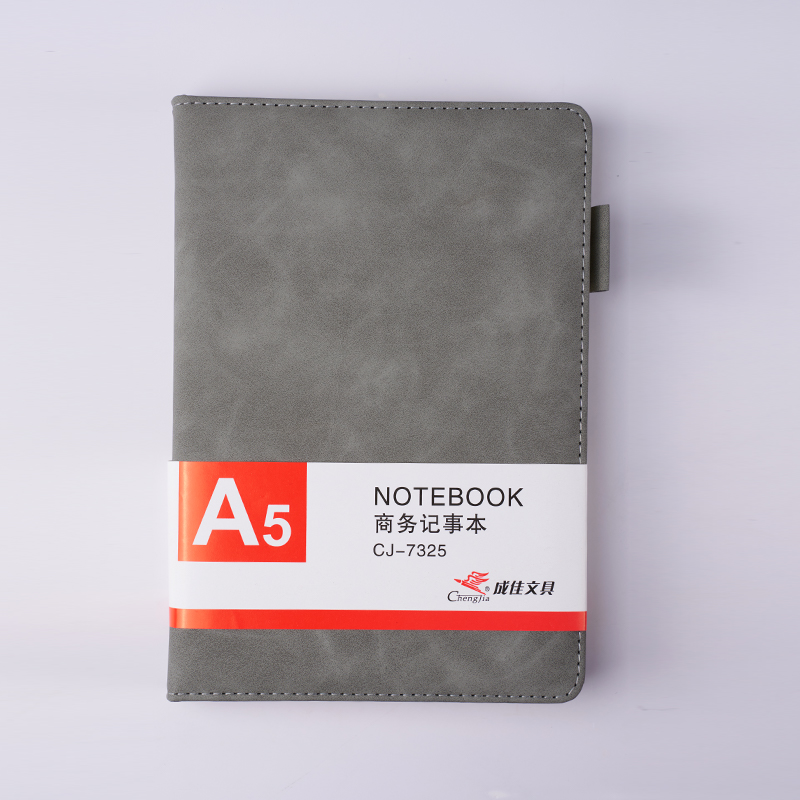
Educational stationery production is closely connected to how schools organize learning materials. A Student Notepad Manufacturer contributes to this system by producing notebooks that support daily classroom activities, structured learning, and institutional supply needs.
As education continues to evolve, manufacturing systems remain an important part of ensuring that basic learning tools are available, consistent, and adaptable to different teaching environments.